
UK licensed bingo sites: a separate licence category with its own rules
Online bingo in the UK sits under a distinct UKGC licence category from casino gambling, with its own Remote Bingo Operating Licence and specific LCCP obligations around prize pool transparency and game integrity. Saferwager lists licensed bingo sites with Domain Scores, operator Trust Scores, and corporate data that shows who actually owns the bingo brands consumers see.
Filter by Site Type
Bingo Sites List
Pink Ribbon Bingo
Active
Polo Bingo
Active
Posh Bingo
Active
Red Bus Bingo
Active
Rocket Bingo
Active
Showreel Bingo
Active
Silk Bingo
Active
Sing Bingo
Active
Swanky Bingo
Active
Tasty Bingo
Active
Wink Bingo
Active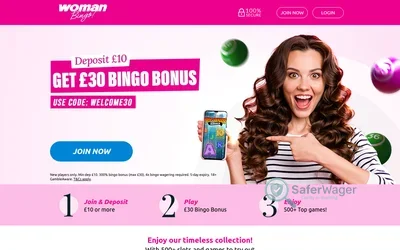
Woman Bingo
Active
Wowcher Bingo
Active
Zeus Bingo
Active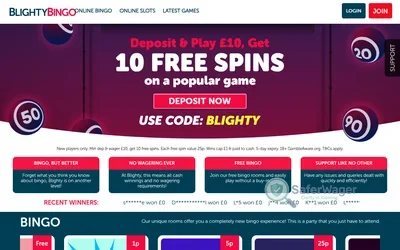
Blighty Bingo Casino
Active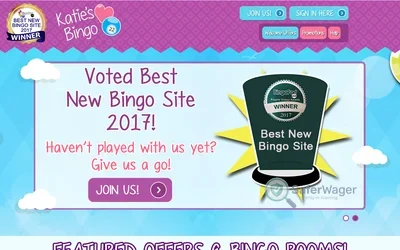
Katie's Bingo
Active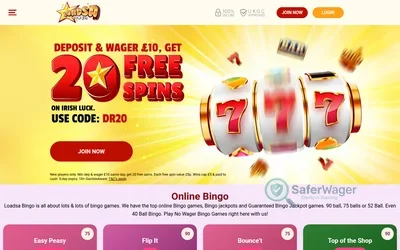
Loads A Bingo
Active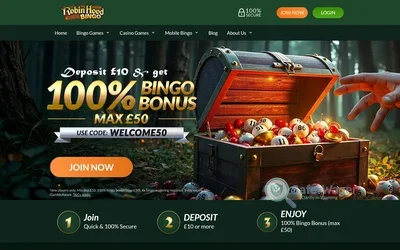
Robin Hood Bingo
Active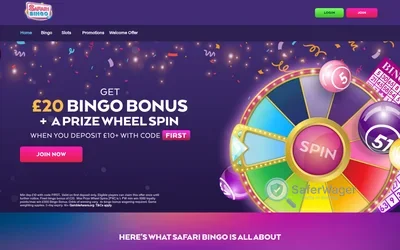
Safari Bingo
Active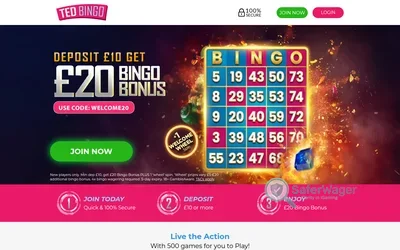
Ted Bingo
Active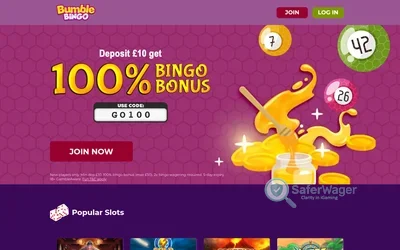
Bumble Bingo
Active
Free Spins Bingo
Active
Rosy Bingo
Active
Sailor Bingo
ActiveRemote Bingo Operating Licence: why bingo is its own regulated category
Bingo isn't categorised as a casino game under the Gambling Act 2005. It occupies its own category, and operating it online for UK consumers requires a Remote Bingo Operating Licence, separate from the Remote Casino Operating Licence. The distinction reflects the game's characteristics: bingo is a lottery-style activity where players purchase tickets and winners are determined by random number draw, rather than playing individually against a house edge in the way casino games work.
How the Remote Bingo Operating Licence works
A Remote Bingo Operating Licence authorises an operator to offer bingo games where players compete for a prize pool funded by ticket sales. The UKGC requires that prize pools are disclosed transparently, that the draw mechanism is demonstrably random, and that the game is conducted fairly under LCCP conditions. The licence can be held alongside a Remote Casino Operating Licence, and most online bingo operators do hold both, because their sites bundle slot games and instant wins alongside the bingo rooms.
But the licences are issued separately and recorded separately on the UKGC register. When an enforcement action relates specifically to bingo game conduct or prize pool handling, it's attributed to the bingo licence. When it relates to slots or casino side games on the same site, it falls under the casino licence. Saferwager records enforcement actions against the operator entity and identifies the relevant licence category where it's specified in UKGC records.
Prize pool transparency obligations
Under LCCP Ordinary Licence Condition 2.1, bingo operators are required to conduct their games fairly and openly. For bingo, this includes requirements that the prize pool funding mechanism is clear to players before they purchase tickets. A player needs to understand what proportion of ticket sales goes to prizes, whether there's a guaranteed minimum prize amount, and what happens in low-participation games where the prize pool might be smaller than expected. These requirements mean bingo operators face disclosure obligations that fixed-odds casino game operators don't, because casino games have predetermined RTPs while bingo prizes depend on ticket sales volume.
Community features and moderation obligations
Online bingo's defining characteristic is its chat room functionality. Bingo rooms typically run chat hosts who facilitate community conversation alongside the games, announce winners, and run side-chat games for prizes. This community element makes bingo distinct from casino gambling from a regulatory perspective: operators are running a social product, not just a game mechanic. LCCP requirements around fair and open conduct extend to moderation standards in these chat environments. A chat host running chat games that aren't properly disclosed as gambling activities creates a compliance risk.
How bingo sites bundle side games under the same licence
Most UK online bingo sites aren't bingo-only products. They offer slot games, scratch cards, and instant wins alongside the bingo rooms, sometimes prominently enough that the bingo itself is secondary. This bundling is legally possible because operators hold both a Remote Bingo Operating Licence and a Remote Casino Operating Licence, or sometimes a combined licence that covers multiple product types. The consumer sees one site. The regulator sees two licences.
The regulatory significance of bundled products
Bundled casino side games on bingo sites carry all the same obligations as standalone casino products: LCCP responsible gambling requirements, bonus transparency rules, and mandatory participation in GAMSTOP. But the consumer who came for bingo may not frame their use of the slot games within the same mental model they'd apply to visiting a dedicated casino site. The UKGC has noted this dynamic in its research on advertising and marketing. Sites that market primarily as bingo destinations while generating significant revenue from slots face scrutiny over whether their responsible gambling messaging is calibrated to the full product mix.
Bonus terms across bundled products
Welcome offers on bingo sites frequently cover both bingo tickets and bonus funds usable on slots. The terms for each component can differ: bingo bonuses may have different wagering requirements than casino bonuses, and the game-type restrictions that apply to wagering on slots won't necessarily apply to bingo ticket bonuses. LCCP Licence Condition 7.1.1 requires that bonus terms be made fully available before a customer accepts them, but the complexity of terms covering multiple product types creates a disclosure challenge.
A bingo site welcome offer that appears simple — free tickets plus bonus funds — can carry layered conditions when bingo ticket terms and casino side-game terms are applied separately. ASA/CAP Code Rule 16.1 requires that conditions be clear and prominent. Where bingo operators have been found to have inadequately disclosed these split terms, those cases appear in Saferwager's enforcement records.
How Domain Score reflects the bundled model
Because most bingo sites operate casino products alongside bingo, their Domain Score captures the same signals as any other gambling domain: SSL grade, DNS configuration, domain age, WHOIS transparency, and regulator confirmation. The bundled product model doesn't change what Domain Score measures. What it does mean is that the operator Trust Score is particularly important for bingo sites, because the enforcement history relevant to that operator may span both bingo-specific issues and casino-side compliance failures.
Parent company concentration in the UK bingo market
The UK online bingo market has a well-established pattern of brand proliferation under concentrated ownership. A small number of platform providers and parent companies run a large share of the branded bingo sites visible to consumers. 888 Holdings operates multiple bingo brands. Tombola is a rare independent with its own proprietary platform. Many mid-tier and smaller bingo sites run on the Dragonfish platform or its successor technology, operating as white-label products for operators who license the infrastructure.
Platform concentration and Domain Score clustering
White-label bingo operators sharing a platform tend to show similar Domain Scores for the same reason casino white-labels do: SSL configuration and DNS management are controlled at the platform level. A platform provider that correctly implements HSTS, configures CAA records, and maintains strong TLS protocols will pass those technical qualities to all operator sites on its platform. One that doesn't will drag down Domain Scores across the board.
This creates a pattern that's particularly visible in bingo. If you see several bingo sites clustered at the same Domain Score level, they're often sharing platform infrastructure. The operator pages for those sites will frequently point back to the same technology provider or parent company when you follow the corporate data through to Companies House records.
How enforcement history reads across a bingo operator group
A UKGC enforcement action against a bingo operator is recorded against the legal entity holding the licence. Where that entity operates multiple bingo brands, the enforcement record affects the Trust Score of all associated sites. This is the same pattern as the betting sector, but in bingo it's compounded by the platform concentration. A fine issued to a major bingo platform operator or its parent can affect the Trust Scores of a significant number of branded sites that consumers treat as separate products.
| Operator structure | Domain Score behaviour | Trust Score behaviour |
|---|---|---|
| Proprietary platform (e.g., independent operator) | Reflects operator's own technical decisions | Reflects that operator's regulatory history only |
| White-label on shared platform | Clusters near platform provider's technical baseline | Reflects the licence-holding operator's history |
| Multiple brands under one parent company | Varies by domain if on separate infrastructure | All brands share parent's enforcement record |
What bingo site data on Saferwager shows you
Bingo sites in this listing are assessed at the individual domain level, regardless of corporate ownership or platform structure. A parent company running four bingo brands will have four separate site entries. Each carries its own Domain Score based on the technical characteristics of that specific domain. The shared operator Trust Score is accessible through the link from each site page to its operator.
Identifying the licence type and associated products
Bingo site pages identify the specific licence type held by the operator: Remote Bingo Operating Licence, Remote Casino Operating Licence, or both. Where an operator holds multiple licence types, the site page reflects which licences are relevant to that specific domain. Operators that run bingo as the primary product but also hold a casino licence are identified as holding both, because the consumer experience on that site includes casino products.
Bingo, demographics, and regulatory attention
The UKGC's own research identifies bingo players as a demographic group with specific characteristics: higher representation of women, older age profiles in land-based bingo, and community-oriented play behaviour that differs from the isolated, fast-paced style of slots. That demographic context has shaped how regulators think about bingo marketing and responsible gambling obligations. Online bingo blurs these characteristics because the same site delivers community bingo rooms and high-speed slots to the same player.
Saferwager's enforcement section includes cases where bingo operators were found to have failed on responsible gambling interaction obligations. Those cases are cross-referenced to the operator Trust Score. A bingo brand that markets heavily to community-oriented players while its operator carries enforcement history around responsible gambling failures is a combination that the data can surface, even if the site's Domain Score is strong.
Using the site page to access corporate data
Every bingo site in this listing links through to its operator page. The operator page shows the Trust Score breakdown, all licence types held, any enforcement actions, and the parent company cross-referenced with Companies House. For bingo operators that sit inside a larger corporate group, Companies House filings show who owns the operating company, who the directors are, and whether the same directors appear across multiple bingo operator entities. That corporate map is relevant because platform concentration in bingo means accountability can be distributed across a chain of entities in ways a brand name doesn't suggest.