
UKGC: Old Sanctions Found in Web Archives
FOI response shows regulator directs public to third-party sites for enforcement actions older than three years.
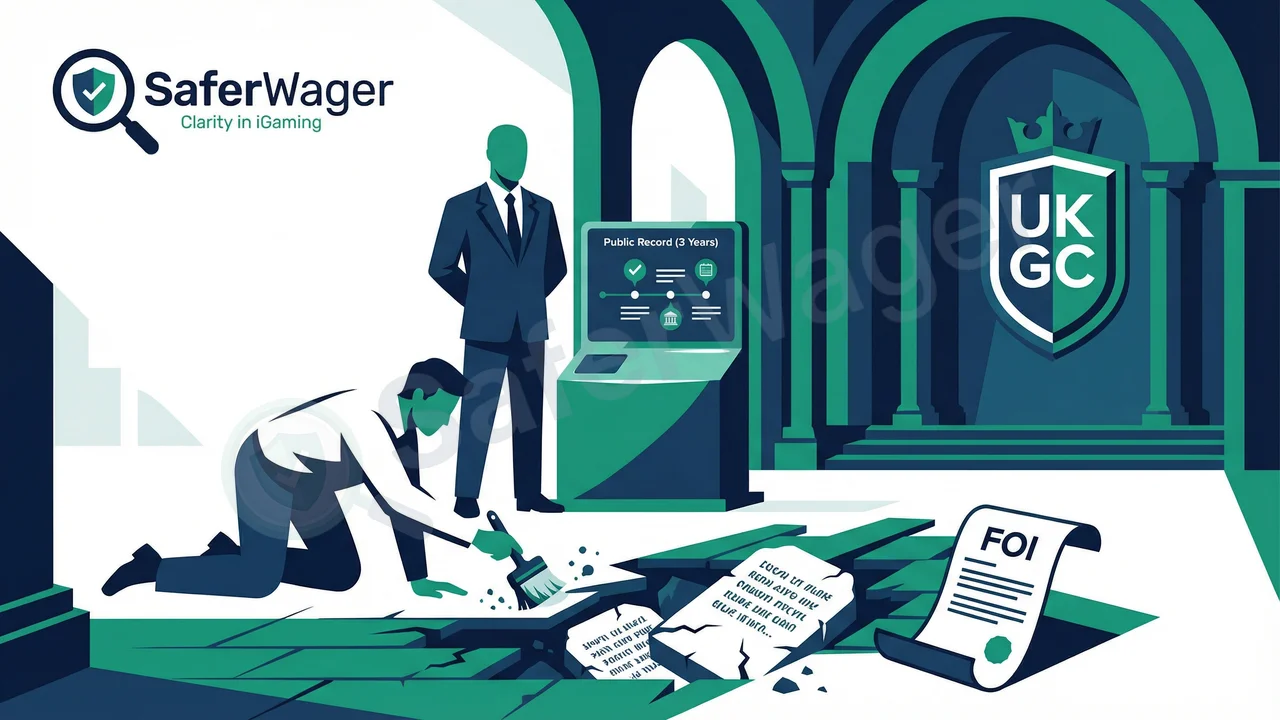
A UKGC Freedom of Information response reveals that regulatory sanctions older than three years are removed from its website but can be found in public web archives. The regulator directs the public to these third-party services to find historic enforcement actions.
Article Content
A Freedom of Information (FOI) disclosure from the Gambling Commission (UKGC) has revealed the official method for accessing regulatory enforcement actions that are no longer published on its website.
The response, dated 23 January 2026, confirms that while the UKGC removes public statements about sanctions after three years, the information remains accessible to the public through third-party digital archive services.
The Request and Response
A member of the public submitted a request for a copy of a historic regulatory action against the operator Jumpman Gaming. The requester noted their awareness of the UKGC's three-year publication policy but sought access to the older record.
In its official response, the Commission withheld the information directly, citing Section 21 of the Freedom of Information Act 2000. This exemption applies when information is already "reasonably accessible elsewhere."
Crucially, the UKGC then directed the requester to a digital archive service, specifically mentioning The Way Back Machine, as the place to find the historic public statement. This confirms that while the regulator de-lists older actions from its own site, it considers them to be in the public domain and accessible via these archives.
What This Means for Consumers
This disclosure is significant for consumers conducting due diligence on gambling operators. It clarifies that the absence of an enforcement action on the UKGC’s public register does not necessarily mean an operator has a clean slate.
Key takeaways for consumers include:
- Limited View: The UKGC's live website only provides a three-year window into an operator's regulatory history.
- Deeper Research: To get a fuller picture of a company's past conduct, consumers may need to consult web archives for information older than three years.
- Official Method: The Commission's response validates the use of services like The Way Back Machine as a legitimate way to find this historical data.
Industry Implications and Transparency
The UKGC's policy of removing statements after three years is intended to reflect that an operator has served its sanction and implemented remedial measures. However, for consumers and researchers, a complete historical record is vital for assessing long-term patterns of behaviour and corporate culture.
The reliance on third-party archives, rather than maintaining a dedicated, searchable public archive, places the onus on the public to hunt for this information. While the data is technically accessible, this FOI response highlights that a comprehensive check of an operator's history requires more than a simple search on the regulator's website.