
UKGC Withholds TGP Europe Ownership
Regulator cites law enforcement and data protection exemptions to deny public access to information on the prominent white-label operator.
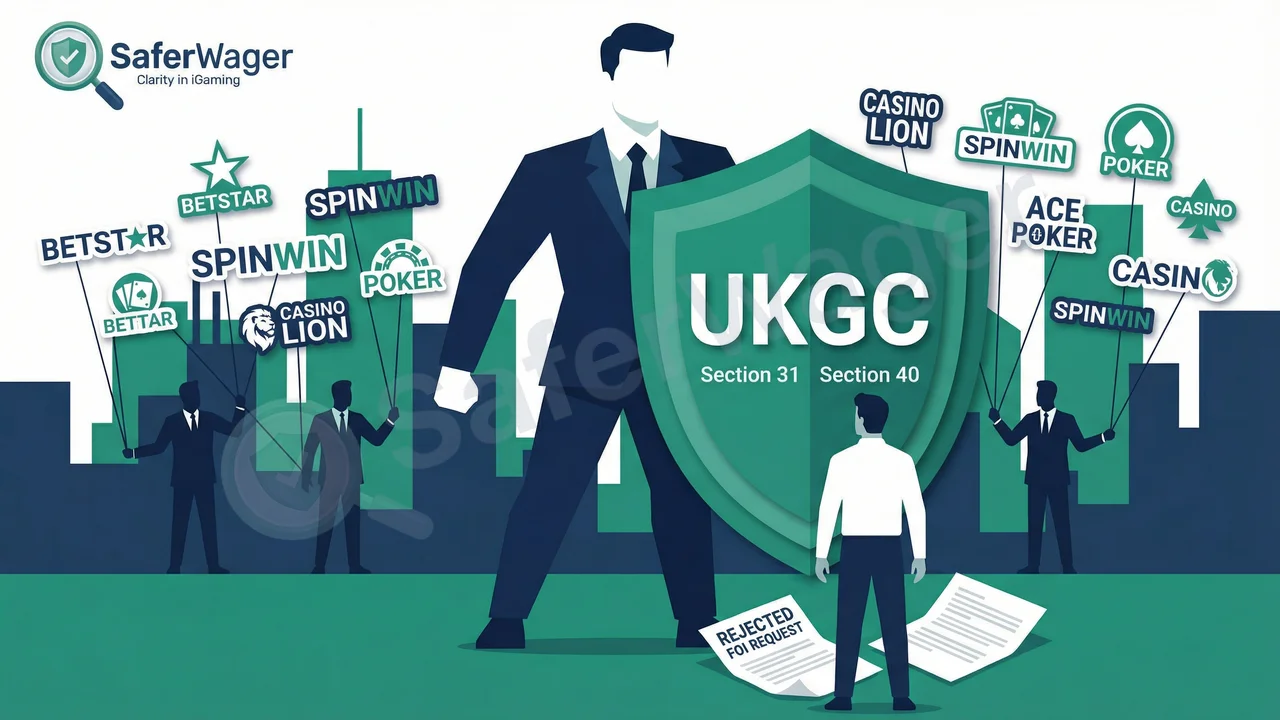
The UK Gambling Commission has refused a Freedom of Information request seeking details on the ultimate ownership of TGP Europe Limited. The regulator cited exemptions related to law enforcement and data protection, arguing that disclosure would undermine its ability to regulate the industry effectively.
Article Content
UKGC Refuses to Disclose TGP Europe's Owners
The UK Gambling Commission (UKGC) has formally refused to release information detailing the ultimate ownership of TGP Europe Limited, a company that provides the licence and platform for numerous online betting sites in Great Britain. The decision came in response to a Freedom of Information (FOI) request dated 23 July 2023.
In its response, the regulator confirmed that it holds the requested information but is withholding it from the public. This decision highlights a significant conflict between public transparency and the Commission's stated regulatory processes.
Why This Matters to Consumers
TGP Europe Limited is a major 'white-label' provider in the UK market. This means it holds the operating licence and manages the technical infrastructure for many different consumer-facing gambling brands. For customers of these sites, understanding who ultimately owns and profits from the licence holder is a key piece of information for making informed choices. The UKGC's refusal to disclose this information means consumers are left in the dark about the ultimate controllers of a significant segment of the UK's online betting market.
The UKGC's Justification
The Commission cited two primary sections of the Freedom of Information Act 2000 to justify its refusal.
First, it invoked Section 31(1)g ('law enforcement'), arguing that disclosing ownership details would or would be likely to prejudice its ability to carry out its regulatory functions. The UKGC specified that this includes its ability to:
- Ascertain if a person has failed to comply with the law.
- Determine if improper conduct has occurred.
- Assess whether circumstances justify regulatory action.
- Judge a person's fitness and competence to hold a licence.
In its mandatory public interest test, the UKGC acknowledged arguments for disclosure, including promoting accountability and public confidence. However, it concluded that the public interest was better served by withholding the information to protect the integrity of its confidential assessment processes.
Second, the regulator cited Section 40(2) ('personal data'). It stated that identifying the individuals who own TGP Europe Limited would breach the Data Protection Act 2018, as these individuals have a legitimate expectation of privacy. The Commission argued that there was no overriding public interest to justify disclosing their personal details.
Significance and Industry Implications
This decision underscores the limits of transparency within the UK's regulated gambling industry. While the UKGC assures the public that it conducts thorough suitability checks on all licensees and their owners, the public is not permitted to see the results of that due diligence for themselves.
For consumers, it means that while they are protected by the UKGC's licensing regime, they cannot independently scrutinise the corporate structures behind the sites they use. The regulator's stance is that public trust is better maintained by preserving the confidentiality of its processes rather than by full transparency of ownership information.