
UKGC Withholds TGP Due Diligence Docs
Regulator refuses to release details on TGP Europe and partners like BK8 and 8XBet, citing risks to its assessment process.
The UK Gambling Commission has refused to release due diligence documents for white-label operator TGP Europe and its partners, including BK8 and 8XBet. The regulator cited risks to its assessment process, arguing that transparency would allow future applicants to circumvent rules.
Article Content
UKGC Cites Regulatory Risk in Refusal to Release TGP Europe Files
The UK Gambling Commission (UKGC) has refused to release documents relating to the licensing and due diligence of white-label operator TGP Europe Limited, according to a Freedom of Information (FOI) response published on 23 June 2024.
The request, filed by a journalist, sought the licence agreement for TGP Europe and due diligence records concerning the operator and its white-label partners, including 8XBet, BK8, and 6686. The requester highlighted a significant public interest in the information, citing "potential links to human rights abuses" associated with the companies.
The Refusal and Justification
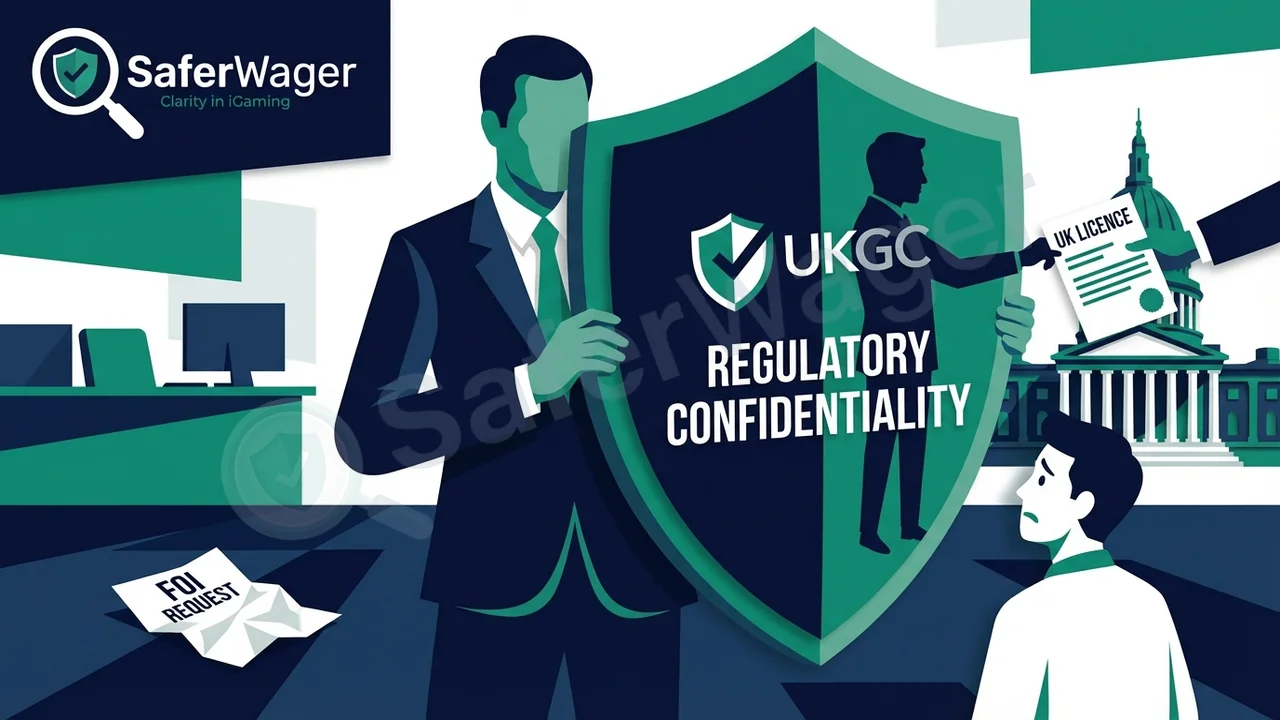
Despite confirming it holds the requested information, the UKGC withheld the documents, citing Section 31 of the Freedom of Information Act, which provides an exemption for information that could prejudice law enforcement and regulatory functions.
In its response, which was upheld after an internal review, the Commission argued that disclosing its specific due diligence and assessment processes would be detrimental to public protection. The regulator's main arguments were:
-
Undermining Assessments: The UKGC claimed that releasing such information would effectively provide a roadmap for future applicants. It argued this would enable potential operators to "frame applications and present information... in such a manner as to secure a licence" without proving genuine suitability. This could allow non-compliant businesses to circumvent scrutiny.
-
Damaging Operator Relationships: The Commission stated that operators provide sensitive information with the understanding that it will remain confidential. Disclosing it would damage trust, making operators less likely to share information voluntarily in the future. The UKGC believes this would force it to use formal powers, which would be less efficient and could result in lower-quality information, ultimately harming its ability to regulate the industry effectively.
What This Means for Consumers
TGP Europe is a prominent 'white-label' provider. This means it holds a UKGC licence that allows other brands to offer gambling services to UK consumers under its umbrella. For consumers, this means that when they play on a site like BK8 or 8XBet, the underlying regulatory responsibility rests with TGP Europe.
The UKGC's decision highlights a fundamental tension between public transparency and regulatory process. While the Commission argues that its secrecy is necessary to maintain robust checks and protect consumers from unsuitable operators, the refusal prevents public scrutiny of the due diligence performed on operators with controversial backgrounds.
Consumers are therefore asked to trust that the Commission's private assessments are sufficiently thorough, without having access to the information that would allow them to verify it. The decision leaves key questions about the suitability of certain licensed brands and the people behind them unanswered, with the regulator maintaining that disclosure would create a greater risk to the public than secrecy.