
UKGC Withholds Slot Game Test Results
Regulator refuses to release safety and fairness test data for popular online slots, citing regulatory integrity.
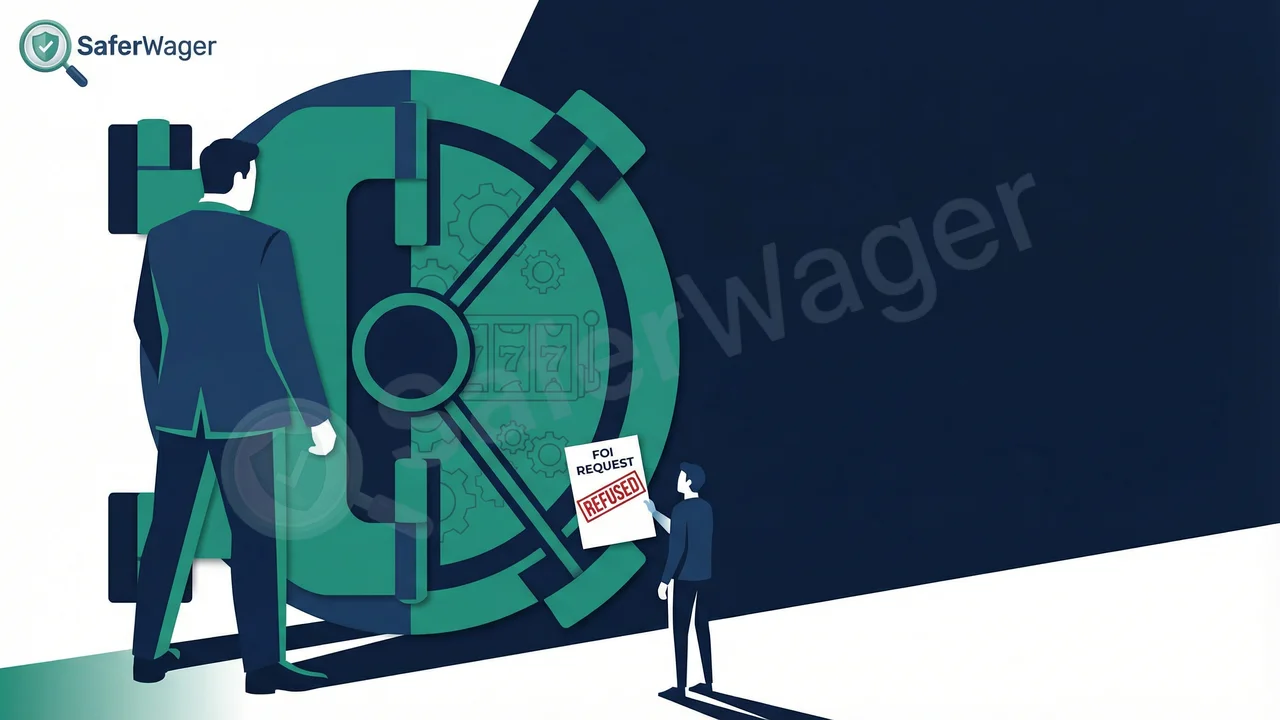
The UK Gambling Commission has denied a Freedom of Information request for the test results of popular online slots like 'Sweet Bonanza'. The regulator argued that releasing the data would undermine its ability to police the industry, even as the requester raised concerns about potentially harmful game features.
Article Content
The UK Gambling Commission (UKGC) has refused to release the test results for several popular online slot games, stating that disclosure would harm its ability to regulate the industry effectively.
The decision came in response to a Freedom of Information (FOI) request filed on 5 January 2023, which asked for the testing criteria, test results, and details of who approved the games 'Gates of Olympus', 'Sweet Bonanza', and 'Money Cart 2'.
A Question of Trust
For consumers, the testing of online casino games is a critical component of player protection, ensuring that games are fair, random, and free from features that could be considered predatory. The FOI request specifically questioned whether certain game mechanics, such as features that allow players to pay more to increase their chances of hitting a bonus, were compliant with UKGC regulations.
The requester argued that it was in the public's interest to see the test results to verify that games on the UK market are not detrimental to players' finances and well-being.
How Games Are Approved in the UK
The UKGC's response clarified its role in the process, explaining that it does not test or approve games directly. Instead, the responsibility lies with gambling operators and software developers. The process is as follows:
- Operator Responsibility: A licensed operator must ensure any game it offers is compliant with the UKGC's Remote Technical Standards (RTS).
- Independent Testing: The game is sent to an independent, third-party test house approved by the UKGC.
- Certification: The test house assesses the game against the RTS and produces a test report.
- Submission: The operator submits the game and its corresponding test report to the UKGC before it can be released to the public.
Why The Refusal?
While the Commission confirmed it holds the requested information, it invoked a Section 31 exemption under the Freedom of Information Act, which relates to law enforcement and regulatory functions.
The UKGC argued that releasing specific test reports and assessment details would reveal its regulatory methods and techniques. It claimed this could prejudice its functions by:
- Allowing operators to 'game the system': Knowledge of the UKGC's specific focus areas could enable non-compliant operators to alter their behaviour just enough to avoid scrutiny.
- Damaging relationships with operators: The UKGC stated that operators provide commercially sensitive information with an expectation of confidentiality. Releasing it could make them less willing to share information in the future, undermining the Commission's regulatory capabilities.
In its public interest test, the UKGC acknowledged the need for transparency but concluded that the public is better served by withholding the information to preserve the integrity of its compliance processes. An internal review later upheld this decision.
What This Means for Players
The UKGC's refusal means that the specific test reports for individual games remain confidential. Players cannot independently review the compliance certificate for a slot they are playing.
Instead, consumers must place their trust in the system of oversight established by the UKGC. The regulator's position is that this confidentiality is a necessary trade-off for more effective, robust regulation, which ultimately serves to protect players from non-compliant products. The presence of a UKGC licence is the assurance that an operator is subject to this system of third-party testing and regulatory oversight.