
UKGC Shields Rationale for £32.8M Grant
Regulator withholds options appraisal document after Freedom of Information challenge
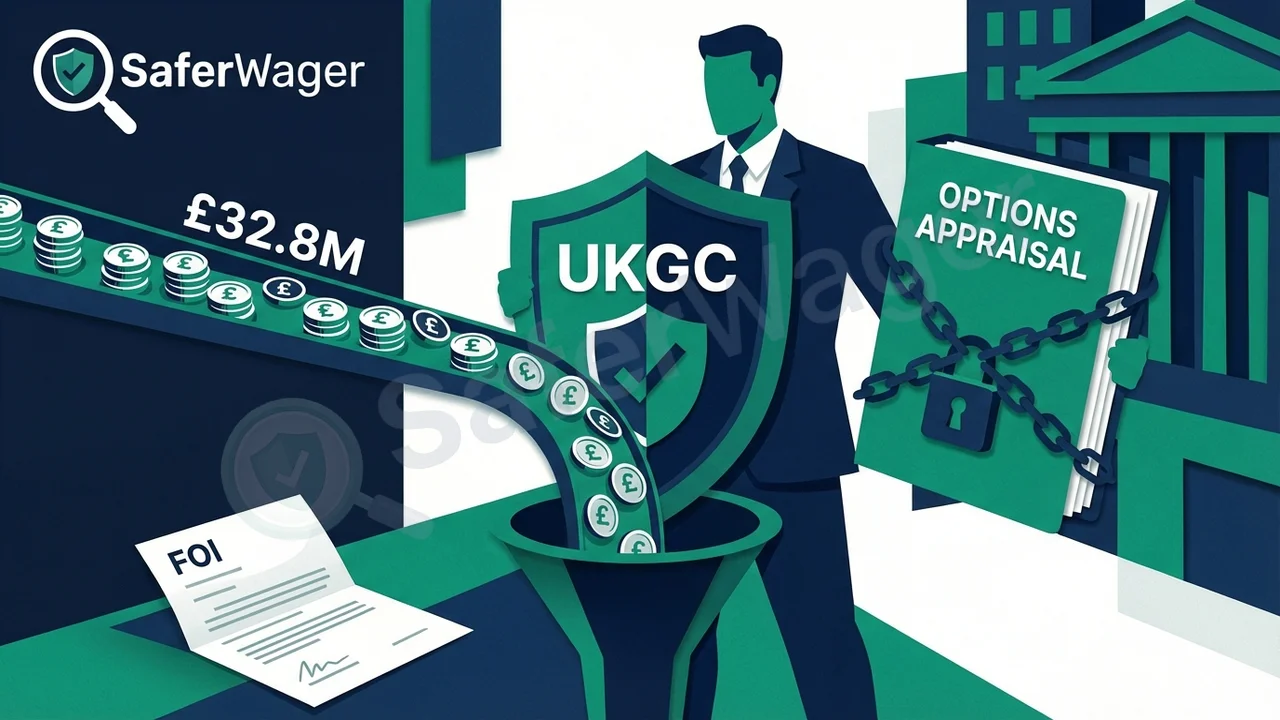
The UK Gambling Commission is withholding a key document detailing its options for awarding a £32.8 million grant to GambleAware, despite releasing other documents after a challenge. The decision limits public scrutiny of how funds from operator penalties are allocated.
Article Content
UKGC Withholds Key Document on £32.8M GambleAware Grant
The UK Gambling Commission (UKGC) is withholding a key internal document that details its appraisal of options for a £32.8 million grant awarded to the charity GambleAware. The decision came to light following a Freedom of Information (FOI) request and a subsequent internal review, which saw the regulator partially reverse an initial refusal to disclose any information.
Context: A Grant to Bridge a Funding Gap
On 27 July 2023, the UKGC announced it had granted £32.8 million to GambleAware. The funds were sourced from regulatory settlements—financial penalties paid by operators for breaching their licence conditions. The Commission stated the grant was intended to "facilitate a smooth transition" from the current voluntary funding system for research, education, and treatment (RET) to the new statutory levy proposed in the government's gambling White Paper.
Under the current system, operators make voluntary contributions to a list of approved organisations, with GambleAware being a primary recipient. The new statutory levy will be collected and distributed directly by the Commission, giving it a central role in funding services to tackle gambling harm.
The Information Request and Refusal
A Freedom of Information request submitted on 18 September 2023 asked for all advice and internal assessments that informed the grant decision. The UKGC initially withheld all information, citing Section 36 of the FOIA. It argued that disclosure would be "likely to inhibit the free and frank exchange of views for the purpose of deliberation" and that a "safe space" was needed for officials to make effective decisions.
The requester challenged this, arguing the public interest in understanding how a substantial sum of public money was allocated to an organisation that has faced criticism outweighed the Commission's concerns. They noted that the UKGC could redact names and had previously released advice from its advisory board on other matters.
Following an internal review, the Commission agreed to release three redacted documents. However, it maintained its decision to withhold one key file, described as a document that "details our appraisal of the options relating to the Commission’s involvement in the destination of regulatory settlements."
Significance: Transparency and Accountability
The Commission's refusal to release its options appraisal means the public cannot see what alternatives, if any, were considered before the £32.8 million was awarded to GambleAware. The withheld document would likely shed light on the criteria used to make the decision and why other organisations or funding strategies were not chosen.
This lack of full transparency raises questions about the regulator's decision-making process for allocating funds intended to reduce gambling harm. As the UKGC prepares to manage the new statutory levy, its processes for distributing potentially larger sums of money will be under increased scrutiny. While the Commission argues that confidentiality is necessary for effective deliberation, the decision leaves consumers and the public without a complete picture of how a significant financial award was justified.