
UKGC Shields 2018 Paddy Power Betfair Case Files
Regulator withholds internal data on historic safer gambling fine, citing risk to future investigations.
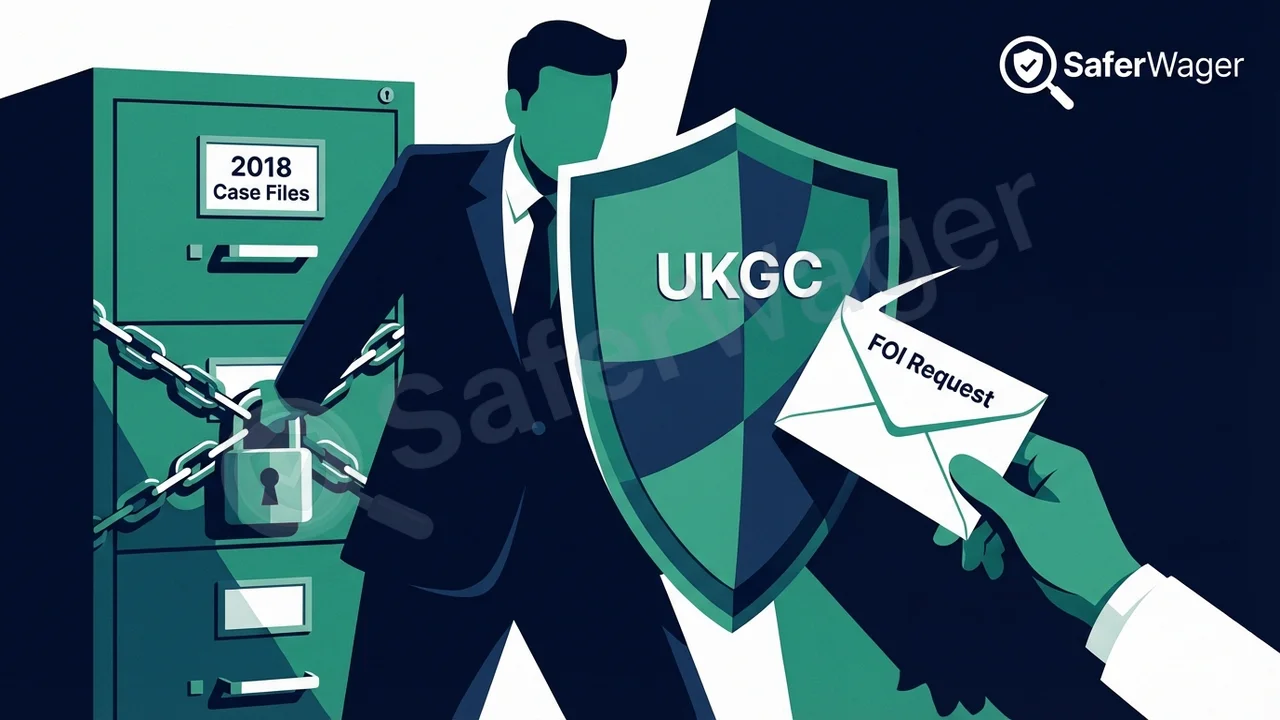
The UK Gambling Commission has refused an FOI request for all data on a 2018 penalty against Paddy Power Betfair. The regulator cited exemptions designed to protect its law enforcement functions, arguing disclosure would prejudice future investigations. This decision highlights the limits of transparency when it comes to the Commission's internal regulatory processes.
Article Content
UKGC Withholds Internal Data on Historic Paddy Power Betfair Fine
The UK Gambling Commission (UKGC) has refused to release detailed internal data concerning a major 2018 penalty against Paddy Power Betfair, citing concerns that disclosure would harm its ability to regulate the industry effectively.
The decision came in response to a Freedom of Information (FOI) request dated 26 April 2024, which asked for "all the data held by the Gambling Commission" regarding the operator's October 2018 penalty for failing to protect customers showing signs of problem gambling.
While the UKGC confirmed that high-level public statements about enforcement actions are published, it stated that any information beyond what was originally released is being withheld to protect its regulatory processes.
Why Was the Information Withheld?
The Commission invoked Section 31 of the Freedom of Information Act, an exemption related to law enforcement. It argued that releasing the in-depth information would, or would be likely to, "prejudice the exercise" of its regulatory functions.
The UKGC's primary concerns were that disclosure would:
- Reveal investigation techniques: Exposing how the Commission assesses operators could allow others to find ways to avoid detection in the future.
- Undermine operator cooperation: The regulator believes operators are more likely to cooperate openly if they trust that sensitive commercial information will be handled confidentially.
- Hinder future assessments: Making its methods public could severely hamper the effectiveness of future compliance and enforcement cases.
In its response, the Commission conducted a public interest test, weighing the benefits of transparency against the potential harm of disclosure. It acknowledged the public interest in holding the regulator to account but concluded that "the public interest is better served by withholding this information" to ensure its regulatory processes remain robust and effective for protecting consumers.
What This Means for Consumers
This decision highlights the line between public transparency and regulatory strategy. While consumers have a right to know when an operator has been sanctioned, the UKGC maintains that the underlying methods and evidence used to build that case must remain confidential to ensure it can effectively police the industry.
The response also serves as a reminder that the UKGC's public statements on enforcement actions are only kept on its main website for three years from the date of issue. For older cases, like the 2018 Paddy Power Betfair penalty, the information may only be accessible through digital archive services. The regulator noted it had provided a link to an archived version of the original statement to the person who made the request.
Ultimately, the Commission's stance is that protecting the integrity of its investigation process is the most effective way to uphold its primary duty: protecting consumers and the wider public from gambling-related harm.