
UKGC Withholds Omaze Complaint Data
Regulator cites law enforcement exemptions in refusal to detail consumer reports against the major prize draw operator.
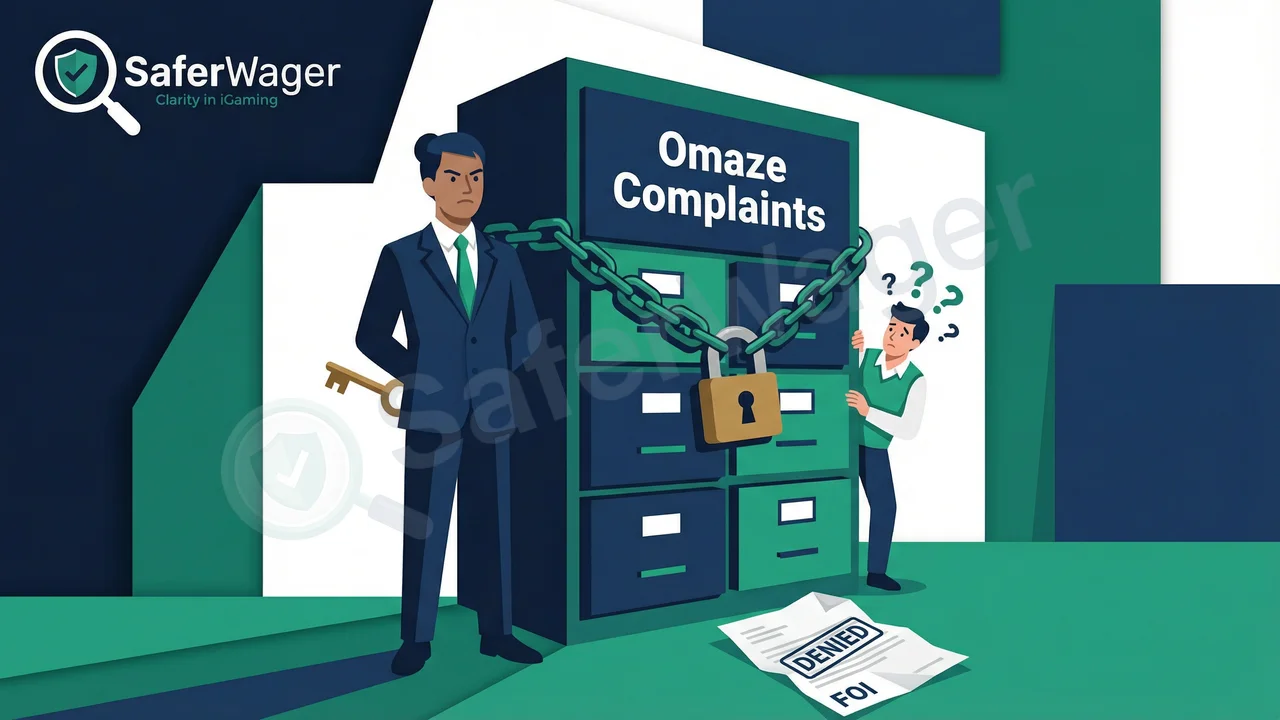
The UK Gambling Commission has refused an FOI request for details on complaints against Omaze, one of the most reported-about prize draw firms. The regulator cited exemptions to protect its investigative functions, leaving consumers without insight into the nature of the reports.
Article Content
UKGC Refuses to Release Details of Omaze Complaints
The UK Gambling Commission (UKGC) has withheld the specific details of complaints made against prize draw operator Omaze, according to a Freedom of Information (FOI) response dated 17 February 2025. The regulator cited exemptions related to law enforcement, arguing that disclosure could prejudice its ability to carry out its functions.
The request stemmed from a previous UKGC report, "Advice to Government - Review of the Gambling Act 2005," which revealed that Omaze was one of the most frequently reported-about entities. The report noted a total of 549 reports concerning 386 entities since 2019, with Raffall, Elite Competitions, Bounty Competitions, Raffle House, and Omaze being the most common.
Why Was the Information Withheld?
In its response, the Gambling Commission invoked section 31(1)(g) of the Freedom of Information Act 2000, which protects information that could prejudice a public authority's ability to exercise its functions. The UKGC stated that disclosure could:
- Hinder its ability to ascertain whether a person has failed to comply with the law.
- Impair its process of identifying improper conduct.
- Compromise its ability to determine if regulatory action is justified.
Essentially, the Commission believes that revealing the nature of complaints and the information it uses for investigations could allow others to circumvent its regulatory processes. After conducting a public interest test, the UKGC concluded that the public interest is "better served by withholding this information" to protect the integrity of its regulatory work.
The UKGC's Limited Role in Prize Draws
The response also provided important context on the UKGC's jurisdiction over companies like Omaze. The Commission clarified that prize competitions and free draws do not require a gambling licence, provided they meet the rules set out in the Gambling Act 2005 that distinguish them from a lottery (such as offering a free entry route).
Its role is limited to monitoring the "boundary with lotteries." The UKGC only intervenes when it considers an arrangement to be an unlicensed, and therefore illegal, lottery. This limited remit explains why complaints about prize draw operators are handled differently from those concerning licensed gambling businesses.
What This Means for Consumers
The decision leaves consumers in the dark about the specific concerns raised regarding Omaze. While the operator was named as one of the most reported-about, the public cannot know whether these reports relate to advertising, prize fulfilment, or the fairness of the draws themselves.
Furthermore, the original FOI request asked for the Commission's view on the disclosure of odds within the prize draw sector. The UKGC's response did not address this question, leaving a significant gap in regulatory clarity for a rapidly growing market. The refusal to disclose complaint details highlights a conflict between the need for regulatory transparency and the Commission's duty to protect its investigative functions.