
UKGC Shields Probe into Offshore Allegations
Regulator cites law enforcement exemption in response to a query about a bookmaker's alleged illegal activities, highlighting the line between investigation integrity and public transparency.
The UK Gambling Commission has invoked a law enforcement exemption to avoid confirming or denying an investigation into a bookmaker accused of running an illegal offshore operation. This response highlights the regulator's need to protect the integrity of potential investigations over immediate public transparency.
Article Content
UKGC Refuses to Confirm or Deny Investigation
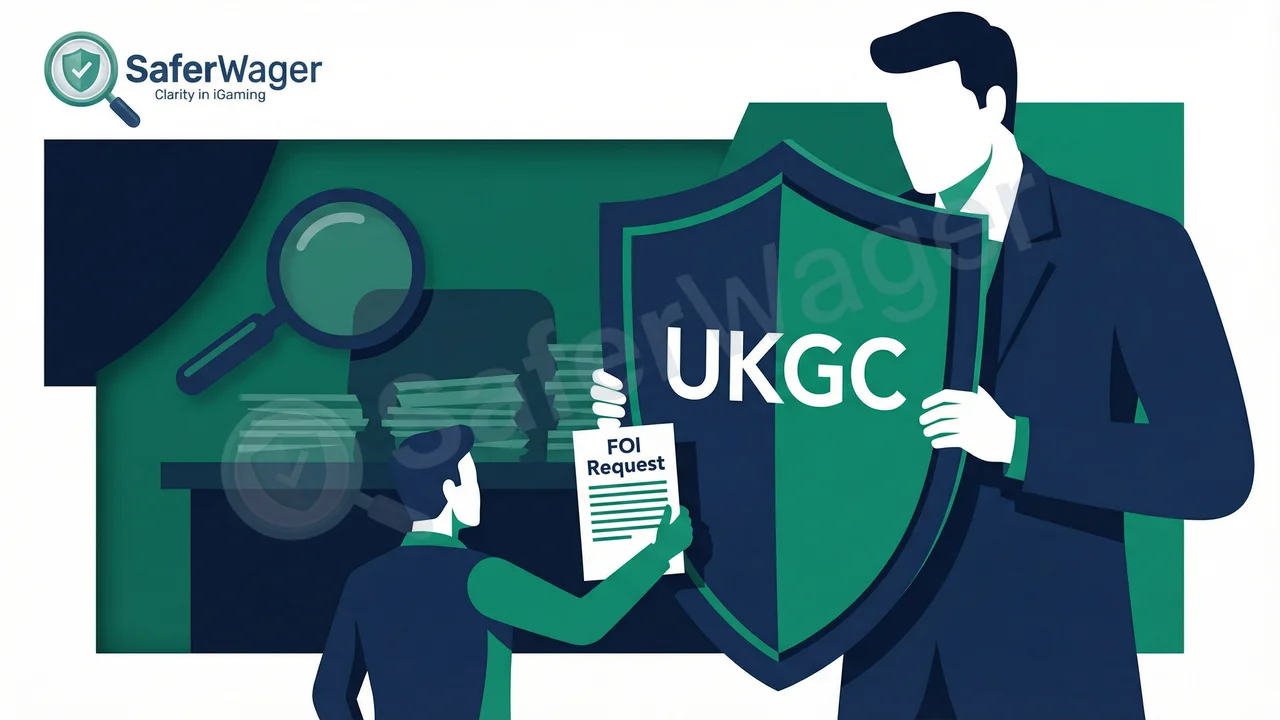
The UK Gambling Commission (UKGC) has refused to confirm or deny whether it holds information regarding a UK bookmaker accused of running a possible illegal offshore operation. The response came following a Freedom of Information (FOI) request submitted on 11 November 2025.
The request sought case notes and correspondence related to an operator mentioned in a Guardian newspaper report titled, “Paperwork blunder by UK bookmaker reveals possible illegal offshore operation.”
In its official response, the UKGC stated it would neither confirm nor deny the existence of the requested information, invoking Section 31(3) of the Freedom of Information Act, which relates to law enforcement.
Why Was the Information Withheld?
For consumers, the UKGC’s refusal to comment can be frustrating, but it is a standard procedure designed to protect the integrity of potential or ongoing regulatory work. The Commission explained its reasoning through a public interest test.
Arguments in favour of disclosure centred on public accountability and ensuring confidence in the UKGC's licensing and assessment processes. The regulator acknowledged that transparency can help assure the public that it is effectively policing the industry.
However, the arguments for withholding the information were deemed more compelling. The UKGC stated that confirming or denying an investigation could:
- Alert individuals or companies, giving them an opportunity to alter their behaviour or evade detection.
- Discourage stakeholders from sharing sensitive information with the regulator in the future.
- Unfairly associate an operator with unsubstantiated allegations before a formal conclusion is reached.
- Prejudice the outcome of any future investigation by the Commission or another body.
The UKGC concluded that the public interest was better served by maintaining the exemption to protect the integrity of its regulatory functions.
What This Means for Consumers
This response highlights the often-unseen regulatory processes that occur behind the scenes. While the Commission may be actively investigating an operator for serious compliance failures, it will not typically publicise this activity until a formal regulatory decision has been made.
This approach prioritises the effectiveness of an investigation over immediate public disclosure. For consumers, it underscores that the absence of public information is not necessarily a sign of inaction. The UKGC's policy is to publish the outcomes of all regulatory settlements and decisions in full on its public register, which remains the definitive source for an operator's compliance history.