
UKGC Withholds Operator Data From Consumer
Regulator cites 'law enforcement' exemption to deny a Freedom of Information request regarding Grosvenor Casinos, highlighting transparency limits.
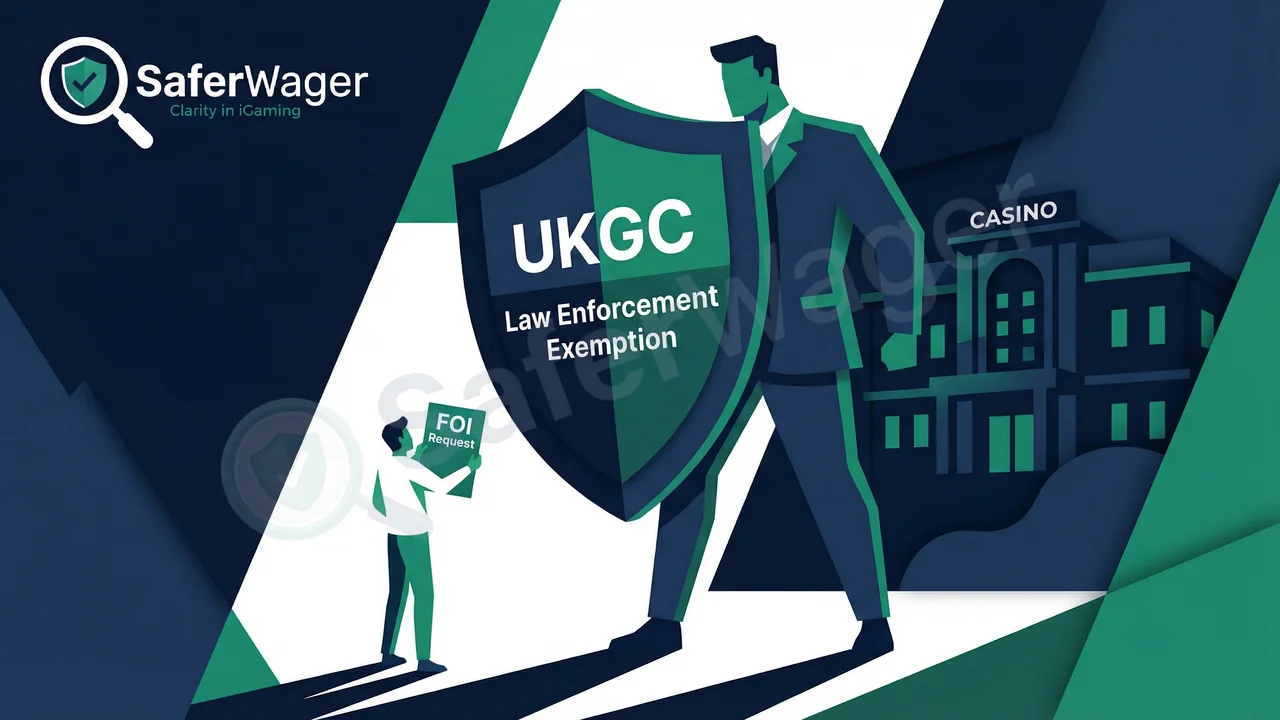
A UK Gambling Commission FOI response reveals the regulator's refusal to release detailed information on Grosvenor Casinos to a consumer in a dispute. The UKGC cited a 'law enforcement' exemption, arguing that disclosure would undermine its regulatory processes.
Article Content
UKGC Cites 'Law Enforcement' to Withhold Operator Data
A Freedom of Information (FOI) response from the UK Gambling Commission (UKGC) has revealed the regulator's policy of withholding non-public information about operators, even from consumers engaged in a formal dispute.
The request, dated 8 March 2023, was submitted by an individual seeking details about a specific Grosvenor Casinos venue in Birmingham. The requester, who stated they were in a dispute with the operator, asked for information on the casino's management, ownership, licences, and any relevant enforcement actions. Their stated goal was to obtain details to help them "pursue a resolution through the appropriate channels."
In its response, the UKGC confirmed that it held information within the scope of the request but would not release it.
Why Was the Information Withheld?
The Commission invoked Section 31(1)(g) of the Freedom of Information Act, an exemption related to 'law enforcement'. The UKGC argued that disclosing specific, non-public details about its regulatory assessments would prejudice its ability to carry out its functions. These functions include ascertaining whether an operator has failed to comply with the law or is fit to hold a licence.
The regulator's public interest test concluded that while transparency is important, there is a greater public interest in protecting its compliance and assessment processes. The UKGC stated that releasing such information could lead to "potentially non-compliant licenses altering their behaviour specifically to meet the Commission’s standards purely for assessment purposes." In essence, the regulator fears that operators could learn its methods and 'game the system' rather than maintaining genuine compliance.
What This Means for Consumers
This decision highlights a significant boundary in the transparency available to UK gambling consumers. While the UKGC maintains a public register of all licensed businesses, this FOI response confirms that more detailed information—such as the history of compliance discussions or specific details about an operator's management structure beyond what is public—is considered confidential regulatory intelligence.
For consumers in a dispute, this means that FOI requests are not a viable channel for gathering evidence about an operator's past conduct or internal operations from the regulator. The UKGC's position is that the public is best protected by the integrity of its confidential assessment processes, rather than by the disclosure of the information gathered through them.
A Push for Greater Transparency
The document also includes a detailed request for an internal review from the original requester, who presented twenty-five distinct arguments in favour of disclosure. These arguments centre on the belief that greater transparency would enhance public trust, deter non-compliant operators, empower consumers to make informed choices, and ultimately create a safer gambling environment.
The outcome of this internal review is not detailed in the release, but its inclusion underscores the tension between the regulator's need for operational confidentiality and the public's demand for greater accountability in the gambling industry.