
UKGC Withholds Flight Data, Citing High Travel Volume
Regulator deems request for flight details too costly to process, pointing to up to 10,000 travel transactions over three years.
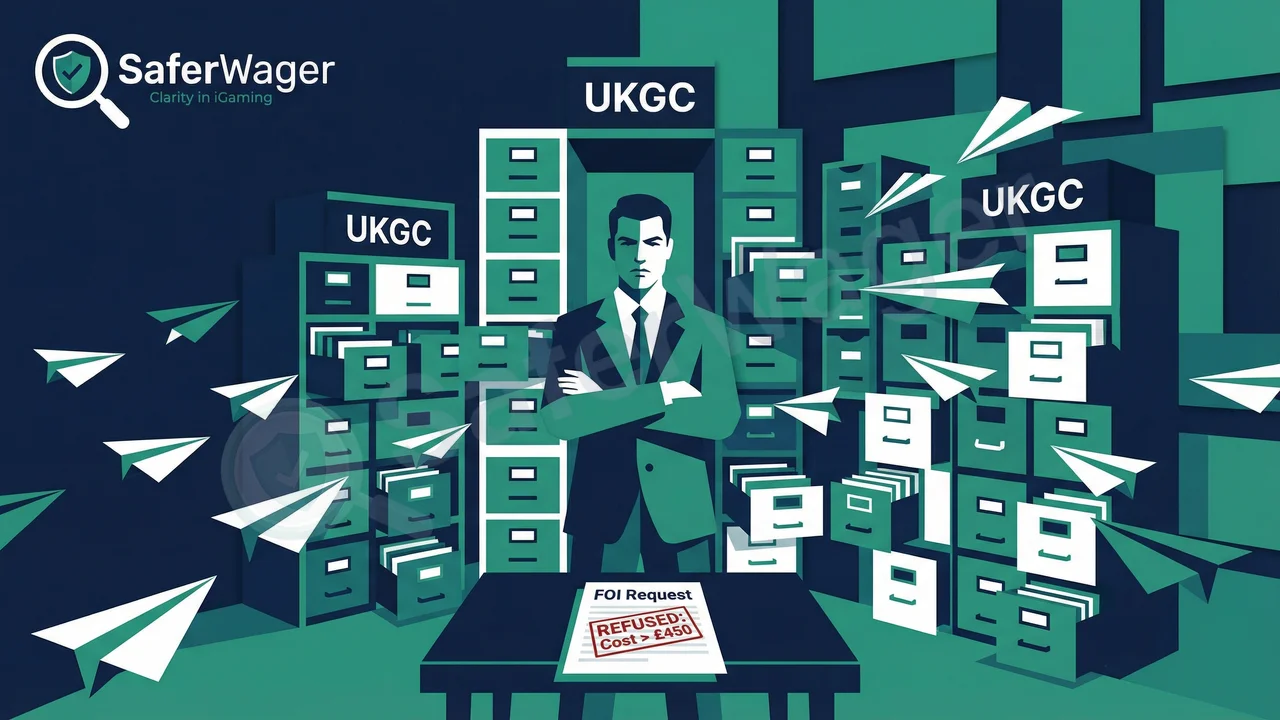
The UK Gambling Commission has refused a Freedom of Information request for details of its staff flights, citing the cost and time required to search up to 10,000 travel records. The decision prevents public scrutiny of the regulator's travel expenses and raises questions about its record-keeping efficiency.
Article Content
The UK Gambling Commission (UKGC) has withheld information on its staff and board member flights, stating that the cost of retrieving the data would exceed legal limits. The decision, revealed in a Freedom of Information (FOI) response, prevents public scrutiny of the regulator's travel expenditure and highlights the significant volume of its travel-related activities.
The Request for Transparency
A request was submitted to the Gambling Commission on 11 April 2025, seeking a detailed breakdown of all flights taken by its employees and board members for the financial years 2022/23, 2023/24, and 2024/25. The request asked for specifics including:
- The airline and travel class
- Departure and destination airports
- The cost of flights, hotels, and other expenses
- Dates of travel
This type of information is often requested from public bodies to ensure that taxpayer and industry-funded resources are being used efficiently and appropriately. As the UKGC is funded by fees from the gambling operators it regulates, its operational spending is a matter of public interest.
UKGC Cites Excessive Cost for Refusal
The Commission confirmed it holds the requested information but refused to provide it, invoking Section 12 of the Freedom of Information Act. This section allows public authorities to deny requests where the cost of compliance would exceed the 'appropriate limit' of £450, which equates to 18 hours of staff time.
In its response, the UKGC explained the data is not held centrally. Information is stored across three separate systems: an internal travel portal, an expenses platform, and company credit card statements.
The regulator estimated that on its travel portal alone, staff would need to analyse "between 5,000 - 10,000 transactions" to isolate the specific flight information requested for the three-year period. It concluded that identifying, locating, and extracting the full details would take "in excess of 18 hours."
What This Means for Consumers
The refusal to disclose this data means that the full extent and cost of the Gambling Commission's air travel remains unknown. While the UKGC's work may necessitate national and international travel for regulatory meetings, conferences, and enforcement activities, the lack of transparency makes it impossible to assess the value and cost-effectiveness of these trips.
The high number of transactions cited—up to 10,000 on a single portal—suggests a significant level of travel activity within the organisation. The fact that this data is difficult to collate also raises questions about the efficiency of the Commission's internal record-keeping and financial oversight systems.
The UKGC has invited the requester to submit a more refined, narrower request which may fall within the cost limit, a standard procedure under FOIA guidelines. However, without a more transparent and accessible accounting of its expenses, the regulator's spending on travel remains shielded from public view.