
UKGC Withholds Financial Risk Check Documents
Regulator cites need for a 'safe space' in refusing to release internal emails and board papers on controversial checks.
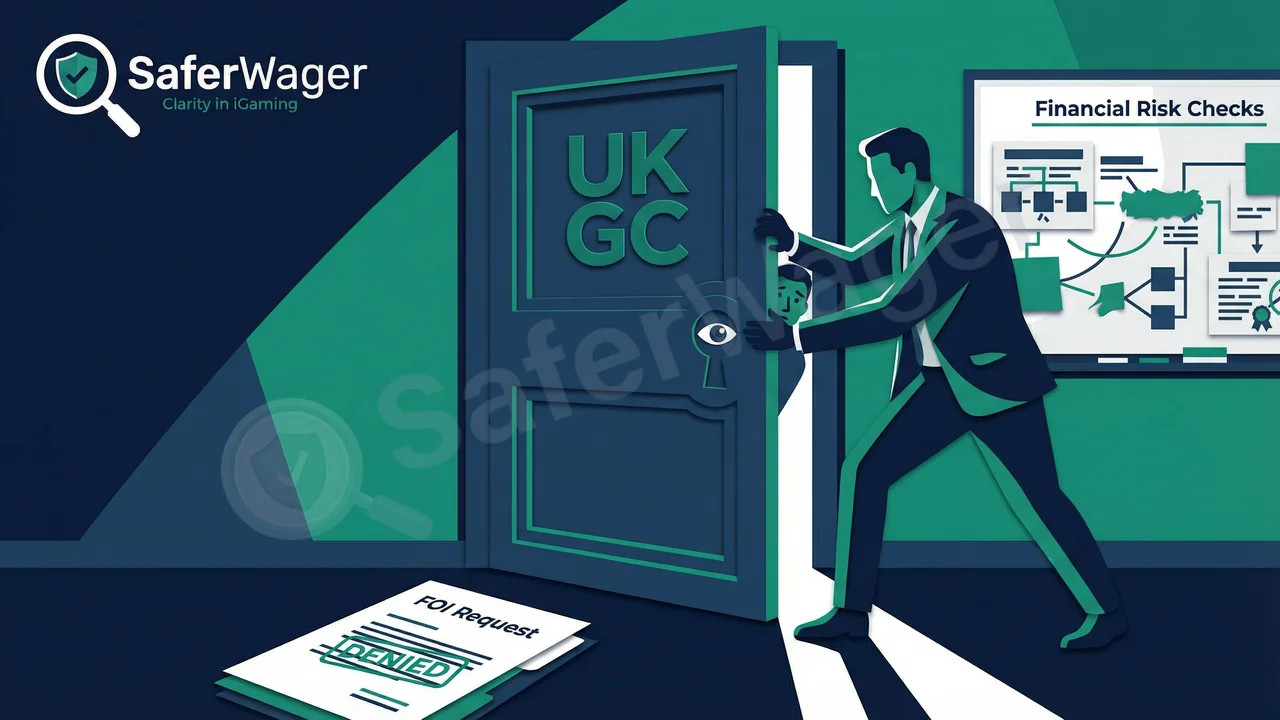
The UK Gambling Commission has denied a Freedom of Information request for internal documents concerning its development of 'frictionless' financial risk checks. The regulator cited a legal exemption to protect 'free and frank' discussions with the government, stating the public interest is best served by withholding the information while the policy is still under review. This decision limits public scrutiny of the controversial checks designed to prevent gambling harm.
Article Content
UKGC Denies Access to Internal Discussions on Financial Risk Checks
The UK Gambling Commission (UKGC) has withheld internal documents related to the development of its controversial 'financial risk checks', according to a Freedom of Information (FOI) response published on its website. The regulator denied the request for board meeting papers and senior executive emails, stating that releasing the information would inhibit the “free and frank exchange of views for the purposes of deliberation.”
The request, dated 11 December 2024, sought all documents provided to gambling operators about the checks, as well as internal communications from Chief Executive Andrew Rhodes and Executive Director Tim Miller on the subject between April and December 2024.
In its refusal, the UKGC invoked Section 36 of the Freedom of Information Act. It argued that a “safe space” is required for officials to deliberate on the ongoing Gambling Act Review with the Department for Culture, Media and Sport (DCMS) without “external interference and distraction.”
What This Means for Consumers
Financial risk checks, often referred to as 'affordability checks', are a key proposal from the government's gambling white paper. They are intended to protect consumers by identifying those at risk of significant financial harm from gambling. The decision to withhold internal discussions means that the public, consumer groups, and the industry cannot scrutinise the decision-making process behind these significant new measures as they are being developed.
The UKGC stated that while it recognises a public interest in transparency, this is outweighed by the need to protect live policy discussions. The regulator argued that premature publication could lead to an “incomplete and confusing picture” and prejudice the ongoing work.
Clarifying the Different Checks
In its response, the Commission provided context on the different types of checks being implemented:
- Financial Vulnerability Checks: These are already active. They use publicly available data to identify vulnerability. The checks are triggered at a £500 net deposit within 30 days (from August 2024) and will be triggered at a lower threshold of £150 net deposit within 30 days from February 2025.
- Financial Risk Assessments: These are the more detailed, 'frictionless' checks that are not yet live. The UKGC is currently running a pilot to test how data from credit reference agencies can be used. The regulator stressed that these are not strictly 'affordability' checks but a more “targeted approach to identifying financial risk.”
Significance of the Decision
The refusal to release the documents highlights the sensitive nature of the financial risk check policy. While the UKGC has committed to publishing a full response following the pilot and consultation, this decision limits transparency during a critical developmental phase. For consumers, it means the rationale, potential disagreements, and alternative proposals discussed internally by the regulator remain behind closed doors for now.
The FOI request also asked for correspondence relating to the Horseracing Betting Levy, to which the Commission responded that it held no information within the scope of the request for the specified period.