
UKGC Cites Law Enforcement in Evolution FOI
Regulator refuses to confirm or deny holding data on complaints about the supplier's games on unlicensed sites.
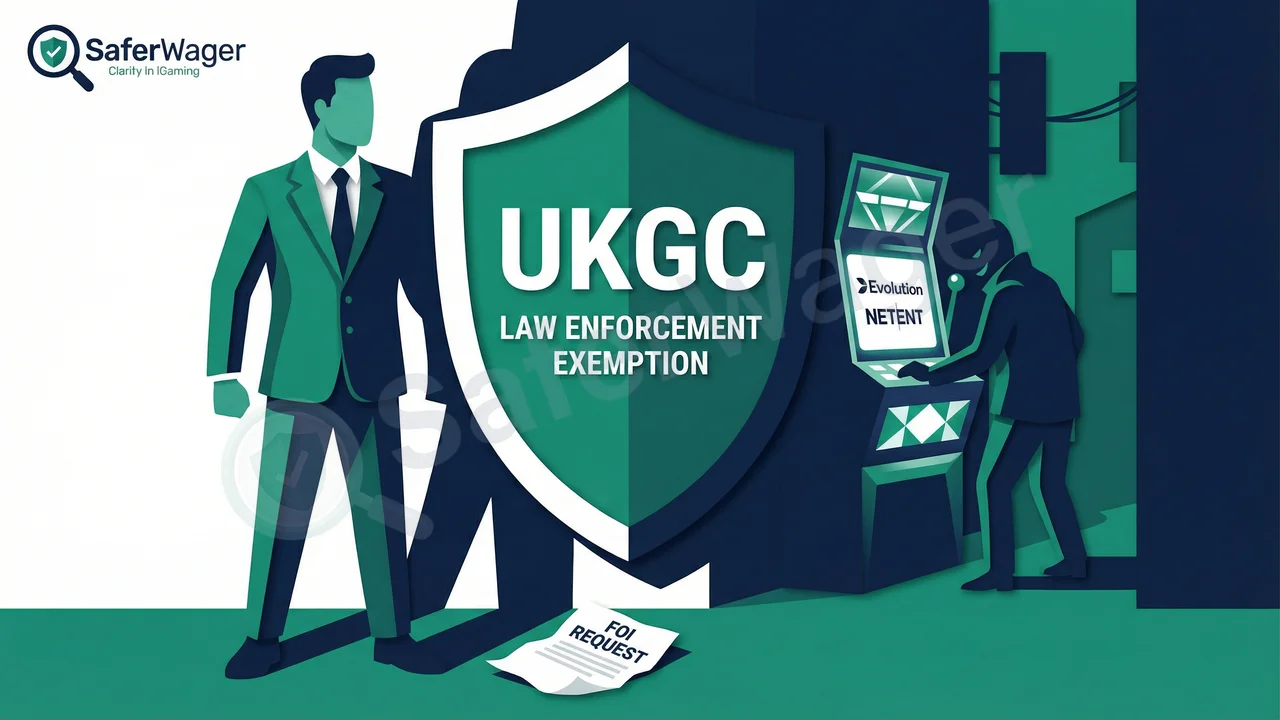
The UK Gambling Commission has refused to confirm or deny holding complaints about Evolution AB games on unlicensed websites. The regulator cited a law enforcement exemption, stating disclosure could prejudice its ability to investigate and enforce gambling laws.
Article Content
UKGC Withholds Data on Evolution Games Found on Unlicensed Sites
The UK Gambling Commission (UKGC) has refused to confirm or deny whether it holds information regarding complaints about games from major supplier Evolution AB appearing on unlicensed gambling websites. In a response to a Freedom of Information (FOI) request dated 22 April 2025, the regulator cited a law enforcement exemption to withhold the data.
Why This Matters to Consumers
Unlicensed gambling websites operate outside of UK law and offer no consumer protection. They are not part of the GAMSTOP self-exclusion scheme, lack approved dispute resolution services, and may not adhere to safety and fairness standards. The presence of games from well-known, licensed providers like Evolution can give these illegal sites a false veneer of legitimacy, potentially misleading consumers into thinking they are playing on a safe and regulated platform.
Details of the FOI Request and Response
The request sought a list or number of complaints received by the UKGC during 2024 and 2025 concerning the availability of games from Evolution AB and its brands—including NetEnt, Red Tiger, and Ezugi—on websites not licensed to operate in the UK.
Instead of providing the data, the Commission invoked Section 31(3) of the Freedom of Information Act 2000. This section, related to law enforcement, allows a public authority to neither confirm nor deny holding information if doing so would be likely to prejudice its regulatory and enforcement functions.
In its official response, the UKGC explained its reasoning through a public interest test. It argued that confirming or denying the existence of such information could:
- Alert individuals or operators to potential or ongoing investigations, allowing them to alter behaviour or evade detection.
- Discourage stakeholders from sharing sensitive information with the regulator in the future.
- Unfairly associate operators with unsubstantiated allegations before a formal regulatory decision is made.
The Commission concluded that the public interest in protecting the integrity of its regulatory processes outweighed the public interest in immediate disclosure.
Significance of the Decision
While the response does not confirm any specific investigation is underway, the use of the law enforcement exemption is significant. It indicates that the regulator considers information about the supply of games to the black market to be a serious matter that could warrant regulatory action. By refusing to confirm or deny, the UKGC preserves its ability to investigate such issues without tipping its hand.
For consumers, this decision highlights the regulator's cautious approach to complex enforcement issues. It also serves as an important reminder of the risks associated with the black market. The UKGC's statement reinforces that it will only publish details of its enforcement activities, such as fines or sanctions, once an investigation is formally concluded. Consumers should continue to verify that any gambling site they use holds a valid licence from the Gambling Commission.