
UKGC Withholds Everton Sponsorship Correspondence
Regulator cites 'law enforcement' exemption to deny access to talks regarding an unlicensed sponsor.
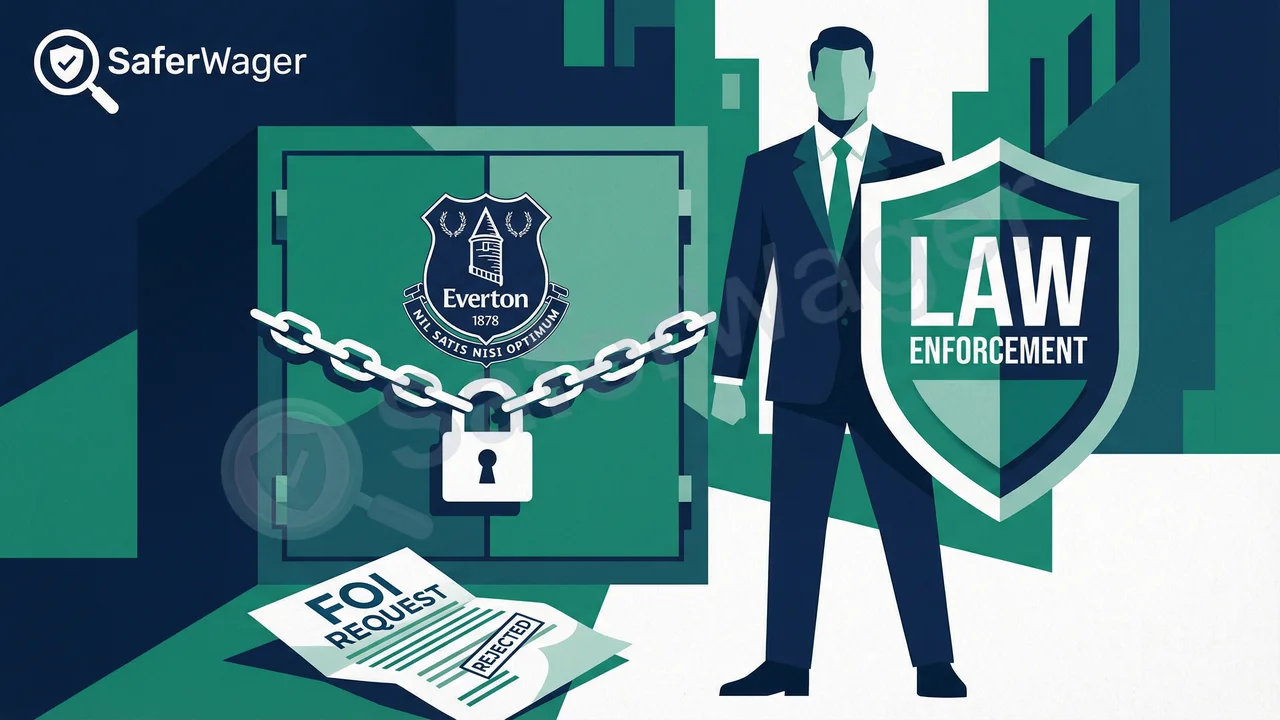
The UK Gambling Commission has refused a Freedom of Information request for its correspondence with Everton FC concerning the club's sponsor, Stake.com. The regulator confirmed it holds the information but cited law enforcement exemptions, arguing that disclosure would harm its ability to investigate.
Article Content
UKGC Cites Law Enforcement to Block Release of Everton Talks
The UK Gambling Commission (UKGC) has refused to release correspondence with Everton Football Club regarding the club’s promotion of an unlicensed gambling operator, according to a Freedom of Information (FOI) response published on its website.
The regulator confirmed it holds information relating to discussions with the Premier League club but has withheld it from the public, citing exemptions related to law enforcement. The decision was upheld after an internal review.
Context: Unlicensed Sponsorship
The FOI request, dated 24 November 2025, sought all correspondence between the UKGC and Everton FC from 1 February 2025 to 23 November 2025 concerning gambling sponsorship.
This period is significant because in February 2025, the Commission announced that Stake.uk.com would no longer be a licensed website from March 2025. At the time, the UKGC publicly stated it would be writing to Everton and two other football clubs to warn them of the risks associated with promoting unlawful gambling websites to UK consumers.
This request aimed to shed light on the nature of those warnings and the subsequent dialogue between the regulator and the club. For consumers, the promotion of unlicensed sites by a major football club raises significant concerns about player protection and the enforcement of UK gambling laws.
Details of the Refusal
The UKGC denied the request, invoking Section 31(1)(g) of the FOIA, which protects information that could prejudice the regulator's functions. The Commission argued that releasing the correspondence would harm its ability to:
- Ascertain whether any person has failed to comply with the law.
- Determine if any person is responsible for improper conduct.
- Assess whether circumstances justify regulatory action.
In its response, the UKGC stated that disclosure could “alert individuals involved to the fact that the Commission was/is or alternatively wasn’t/isn’t conducting particular regulatory enquiries,” potentially allowing them to “alter their behaviours or evade detection.”
The Commission also argued that releasing such information would make stakeholders, such as football clubs, more reluctant to cooperate voluntarily in future investigations, thereby hindering its regulatory work.
An internal review requested by the applicant upheld the original decision, concluding that the public interest was “better served by withholding this information” to protect the integrity of the Commission’s regulatory processes.
Significance: Transparency vs. Regulation
The UKGC’s refusal highlights the ongoing tension between public transparency and regulatory function. While the Commission acknowledges a public interest in its accountability, it maintains that confidentiality is essential for effective enforcement and investigation.
For consumers and transparency advocates, this decision means the specifics of how the UKGC engages with high-profile organisations promoting unlicensed gambling services remain hidden. It leaves questions unanswered about the robustness of the warnings issued to Everton and whether any further action was considered or taken in response to the club's partnership with an operator that ceased to be licensed in the UK.