
UKGC Can't Track Key Player Harm Data
Regulator withholds data on misleading game info and unfair bans, citing cost and data retrieval issues.
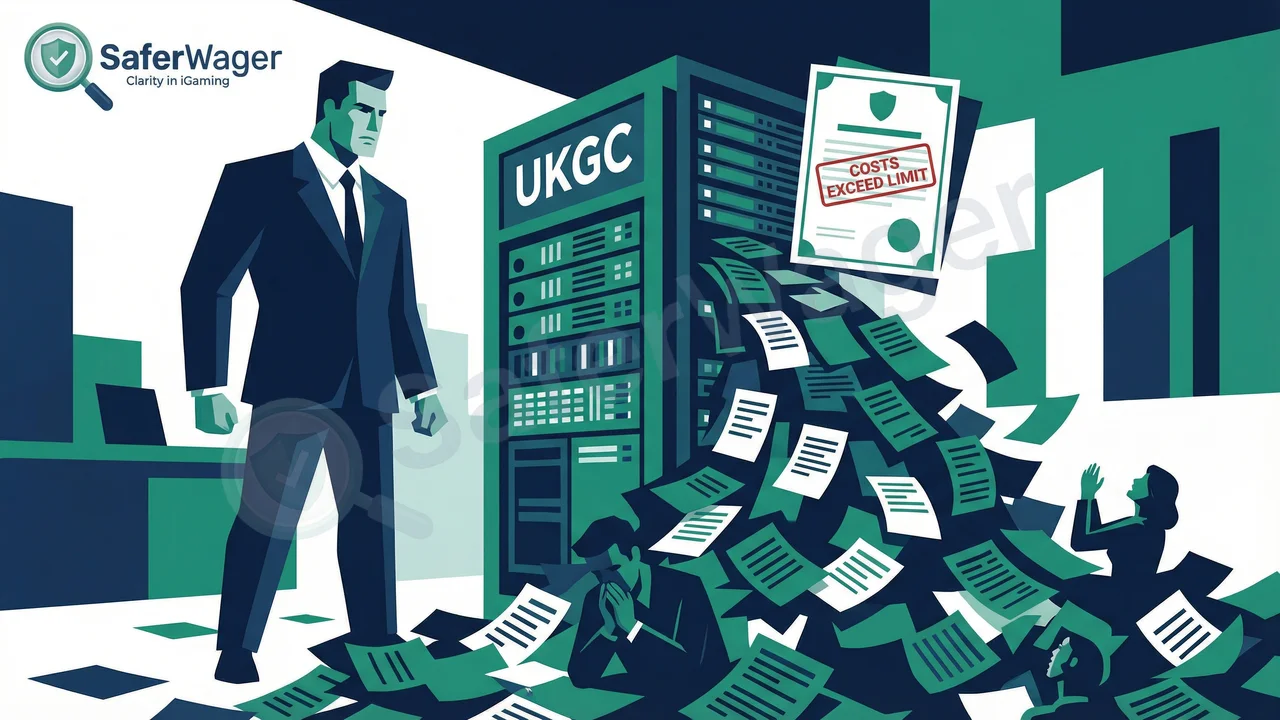
A Freedom of Information request has revealed the UK Gambling Commission does not categorise and cannot easily retrieve data on critical consumer complaints, including misleading game information and disproportionate customer bans. The regulator cited excessive costs to avoid releasing the information.
Article Content
Regulator Cites Cost and Data Structure in Refusal to Release Complaint Details
A Freedom of Information (FOI) request has revealed that the UK Gambling Commission (UKGC) is unable to easily track or quantify specific consumer complaints relating to misleading game information, unfair customer bans, and mental health warnings.
In a response dated 1 July 2025, the UKGC withheld key statistics, stating that the cost of retrieving the information would exceed the statutory limit. This lack of accessible data raises significant questions about the regulator's ability to monitor emerging trends in player harm and operator conduct.
The Information Gap
The FOI request sought specific data covering the period from January 2021 to June 2025 on three critical consumer protection issues:
- Misleading RTP: The number of complaints regarding unclear or misleading Return to Player (RTP) information on Category B3 gaming machines, commonly known as fixed-odds betting terminals.
- Disproportionate Bans: The number of complaints from customers banned from an operator's entire premises—including non-gambling areas like car parks or restaurants—not just the gaming floor.
- Mental Health Warnings: Details of the UKGC's internal policies or enforcement actions concerning visible warnings about the mental health risks of gambling.
For the first two points, the Commission refused to provide the data. It invoked Section 12 of the Freedom of Information Act, which permits public bodies to refuse requests where the cost of compliance exceeds £450, or 18 hours of staff time.
The UKGC explained that while it records consumer complaints, the specific details requested are logged in a 'free text' field and are not categorised for easy searching. Fulfilling the request would require a manual review of every individual record, which the Commission deemed too costly.
Regarding mental health warnings, the regulator did not provide specific internal policies or enforcement data. Instead, it directed the requester to general 'Safer Gambling' pages on its website.
What This Means for Consumers
This response highlights a potential blind spot in the UK's regulatory framework. While the UKGC states it uses complaint data to "build a picture of the gambling industry," its inability to easily analyse this data on specific, high-harm topics is concerning.
- Lack of Transparency on Game Fairness: Return to Player (RTP) is a crucial measure of a game's fairness. Without accessible data on complaints, it is impossible for the public or researchers to know the scale of consumer concerns about whether this information is presented clearly and accurately on machines.
- Unclear Stance on Customer Bans: The practice of banning customers from entire venues, potentially restricting access to essential services like restrooms, raises questions of proportionality. The UKGC's inability to provide data or specific guidance on this issue leaves vulnerable customers in a difficult position.
- Opaque Expectations on Mental Health: By failing to provide its own internal guidelines on mental health warnings, the UKGC leaves operators and consumers unclear on its precise expectations for protecting players from risks such as depression, anxiety, and suicidal thoughts linked to gambling.
Ultimately, the Commission's response indicates that its data systems are not configured to provide swift, transparent oversight on these granular but vital player protection issues. This places a greater burden on consumers to navigate disputes and understand risks without a clear picture of how widespread these problems may be.