
UKGC Withholds Data on Consultation Changes
Regulator directs public to manually review documents after an FOI request asked for a simple tally of policy shifts.
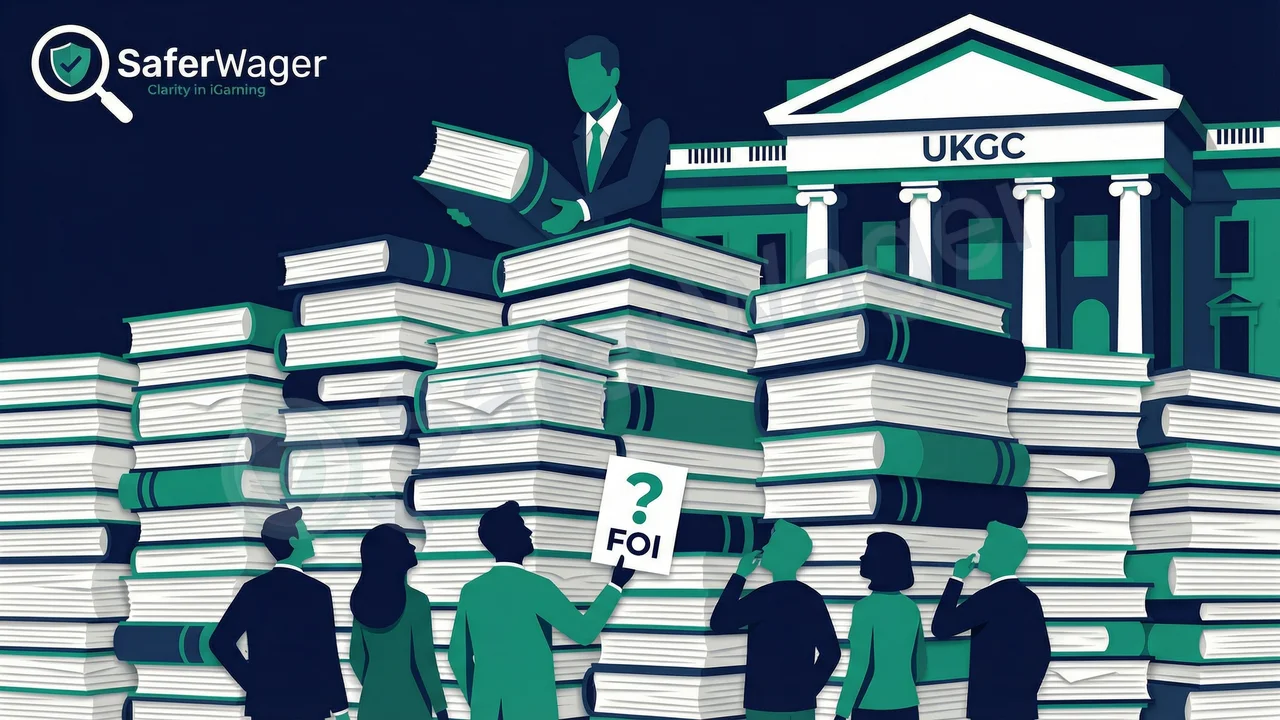
A Freedom of Information request has revealed the UK Gambling Commission will not provide a simple count of how often its proposals change after public consultation. The regulator cited an exemption, directing the public to manually review numerous documents to find the answer.
Article Content
UKGC Declines to Quantify Impact of Public Consultations
The UK Gambling Commission (UKGC) has declined to provide a simple figure on how many of its recent public consultations resulted in a change to its initial proposals. In response to a Freedom of Information (FOI) request dated 27 June 2023, the regulator stated the information was exempt because it is accessible elsewhere, directing the public to review individual outcome documents on its website.
Why This Matters for Consumers
Public consultations are a primary mechanism for consumers, charities, and industry stakeholders to provide feedback on proposed new rules and regulations. The effectiveness of this process is a key indicator of a regulator's willingness to listen and adapt its policies based on public input.
By not providing a consolidated figure, it becomes more difficult for the public to assess the overall impact of their participation in these consultations. It raises questions about whether the UKGC actively tracks the influence of public feedback as a key performance metric and its commitment to transparently demonstrating the value of the process.
Details of the FOI Request
The request asked the Commission for a specific number: "Of the last 12 public consultations that the Gambling Commission has undertaken, how many have resulted in the Gambling Commission not doing what they initially proposed in the original consultation?"
Instead of providing a direct answer, the UKGC invoked Section 21 of the Freedom of Information Act 2000. This section provides an exemption for information that is "reasonably accessible elsewhere." The Commission's response included a link to its main consultations page, where all historical consultation documents and their outcomes are published.
While the information is technically public, the UKGC's response places the burden of analysis on the requester. To answer the original question, an individual would need to locate, download, and read through the lengthy outcome documents for all 12 of the most recent consultations, comparing the final decisions with the initial proposals to determine if a change occurred.
Significance and Industry Implications
The refusal to collate this data, even for a limited set of 12 consultations, highlights a potential transparency gap. For consumer protection groups and researchers, the ability to easily track how often public feedback leads to tangible changes is crucial for holding the regulator accountable.
This response suggests that the UKGC either does not maintain a simple, internal record of policy shifts resulting from consultations or is unwilling to compile it for a public request. While not a refusal to provide the information itself, the approach makes accessing a clear, top-level overview of the consultation process's effectiveness a time-consuming and labour-intensive task for the public. This may discourage scrutiny and reduce confidence in the value of contributing to future regulatory consultations.