
UKGC Withholds BetIndex Due Diligence Files
Regulator cites 'law enforcement' exemption to block full disclosure of pre-licensing checks on the collapsed operator.
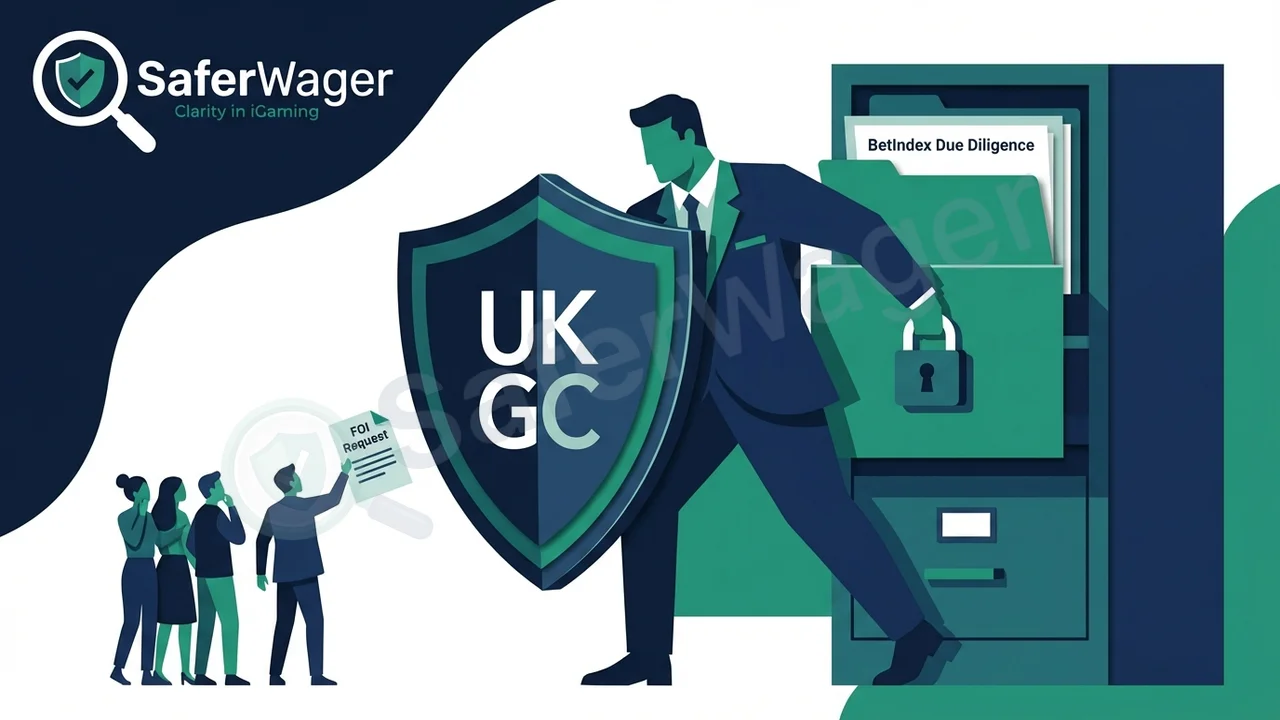
A Freedom of Information request has revealed the UK Gambling Commission is withholding key due diligence documents related to the initial licensing of BetIndex. The regulator cited 'law enforcement' exemptions, arguing disclosure would harm its ability to regulate the industry.
Article Content
Regulator Shields BetIndex Licensing Documents from Public
A Freedom of Information (FOI) request has revealed that the UK Gambling Commission (UKGC) is withholding numerous documents detailing the due diligence it performed on BetIndex Limited before granting it an operating licence.
The regulator has cited a 'law enforcement' exemption, arguing that releasing the information would prejudice its ability to regulate the industry effectively. The decision limits public scrutiny of the initial checks conducted on the company behind the collapsed Football Index platform.
Why This Matters
The collapse of BetIndex in March 2021 resulted in significant financial losses for consumers and led to an independent review that was critical of the UKGC's oversight. This FOI request, dated 22 December 2021, sought to uncover the nature and extent of the Commission's vetting process before BetIndex was ever licensed to operate, a crucial stage in consumer protection.
Transparency around this process is vital for consumers to understand whether the initial licensing decision was robust and to hold the regulator accountable for its gatekeeping role.
A Partial Disclosure
The UKGC's response to the request confirms it holds the relevant information but has applied significant redactions and withheld numerous files.
- Initial Response: The Commission initially withheld approximately 15 documents in their entirety, citing Section 31 (Law Enforcement) and Section 40 (Personal Information) of the FOIA.
- Internal Review: After the requester appealed, the UKGC released some additional information but confirmed that approximately 5 documents remain fully withheld, with others still heavily redacted.
The primary justification for withholding the information is Section 31(1)(g) of the FOIA. The UKGC claims that disclosure would:
- Reveal Regulatory Methods: Exposing the techniques used to assess an applicant's fitness and competence could allow future applicants to game the system.
- Damage Operator Trust: The Commission argues that operators provide sensitive information with the understanding it will remain confidential. Releasing it would damage this trust, making operators less likely to be open and honest in the future.
- Hinder Investigations: A lack of voluntary cooperation could force the UKGC to use formal powers to compel information, which it argues would be of a "less satisfactory quality."
While the UKGC acknowledged the public interest in transparency, particularly in a case of such high public concern, it concluded that the potential harm to its regulatory functions outweighed the benefits of disclosure.
Significance for the Industry
The Commission's decision highlights a fundamental tension between regulatory transparency and operational confidentiality. By prioritising the protection of its methods and relationships with operators, the UKGC is preventing a full public post-mortem of its initial assessment of BetIndex.
For consumers, this means key questions about the licensing of a failed operator remain unanswered. The regulator maintains that its ability to protect the public in the future depends on keeping these historical assessment details private, a position that leaves the public unable to fully verify the effectiveness of its past actions.