
UKGC Shields House Competition Stance
Regulator refuses to confirm or deny existence of documents justifying its regulatory position on popular property prize draws.
The UK Gambling Commission has refused to release documents explaining its decision to leave 'win a house' competitions unregulated. Citing law enforcement exemptions, the regulator will not even confirm if such an evaluation exists, leaving consumers with questions about oversight in this growing market.
Article Content
Regulator Withholds Basis for Unregulated Status of House Prize Draws
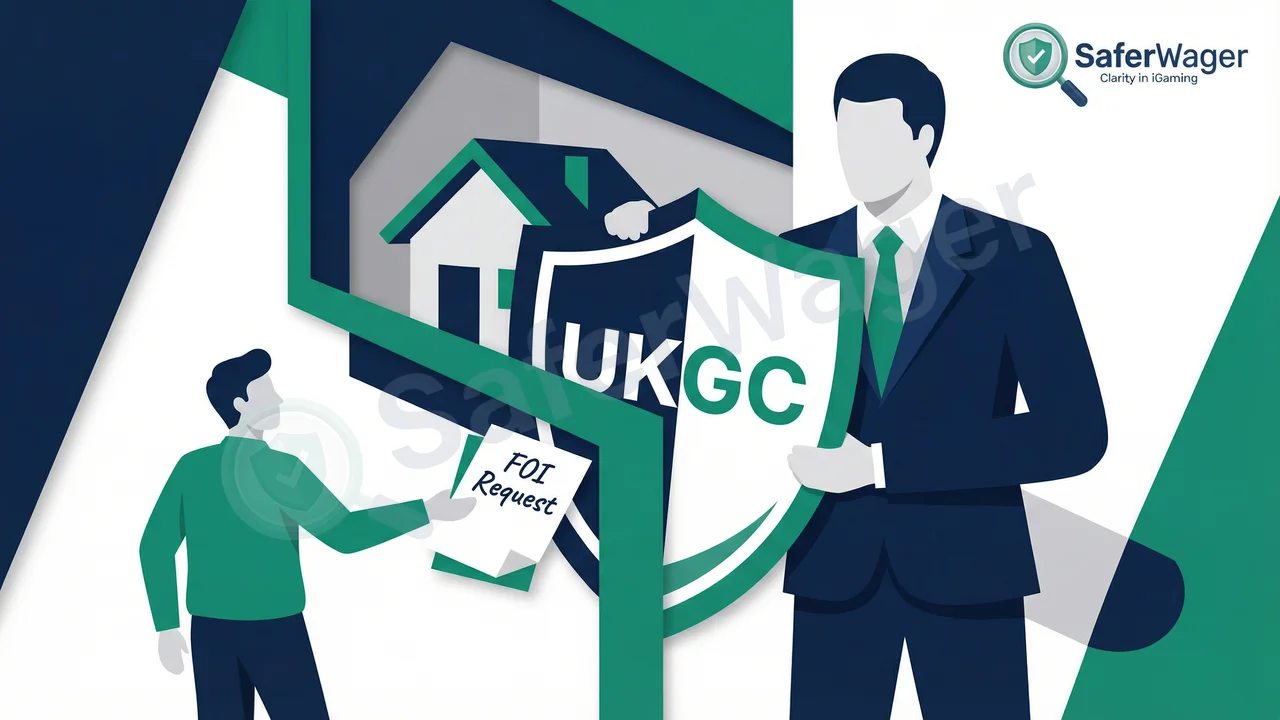
The UK Gambling Commission (UKGC) has withheld information regarding its decision-making process for classifying ‘win a house’ competitions as prize draws exempt from gambling regulation. In response to a Freedom of Information (FOI) request dated 30 July 2023, the regulator refused to confirm or deny whether it holds any documents evaluating its position on the matter.
This response leaves consumers and industry observers without clarity on the formal basis for the UKGC’s stance that these popular competitions fall outside the scope of the Gambling Act 2005.
The Request for Transparency
A member of the public asked the Commission to provide any documents where its position on house prize draws was “evaluated and decided”. The request sought to understand the rationale behind categorising these schemes as ‘prize competitions and free draws’, which are not subject to the same stringent licensing and consumer protection rules as regulated gambling.
If no such evaluation had occurred, the request asked the UKGC to confirm this.
The Commission’s Refusal
The UKGC declined to answer the request directly. Instead of confirming or denying the existence of the requested documents, it invoked Section 31(3) of the Freedom of Information Act 2000, a ‘Law Enforcement’ exemption.
The regulator stated that compliance with the request “would or would be likely to, prejudice” its regulatory functions. The Commission’s argument is that confirming or denying whether it holds information on specific matters could:
- Alert individuals or companies to potential investigations, allowing them to alter behaviour or evade detection.
- Discourage stakeholders from sharing sensitive information with the regulator in the future.
- Prejudice the outcome of any future investigation by the Commission or another body.
In its response, the UKGC conducted a public interest test, acknowledging the legitimate interest in its own transparency. However, it concluded that the public interest in protecting the integrity of its regulatory and enforcement activities was greater. The Commission stated, “the interests of the public are better served through maintaining the exemption.”
What This Means for Consumers
This response from the UKGC has significant implications for consumers participating in ‘win a house’ competitions.
-
Lack of Regulatory Oversight: The Commission has previously stated, and reiterated in this FOI response, that it does not regulate these competitions. This means participants do not have the same consumer protections regarding fairness, transparency, or dispute resolution that are available for licensed gambling products like lotteries or online casinos.
-
Uncertainty Over Scrutiny: By using the Law Enforcement exemption, the UKGC has created ambiguity. While it does not confirm any action, the use of this specific exemption is designed to protect ongoing or potential investigations. This leaves the public unaware of whether the regulator is actively scrutinising any operators in this sector.
-
No Clarity on the Rules: The fundamental question of why these competitions are considered exempt from gambling laws remains unanswered. The formal evaluation and legal reasoning behind this position have not been made public, leaving a grey area in a market that handles millions of pounds from consumers.