
UKGC Withholds Board Papers on Affordability Checks
FOI response reveals regulator is keeping key policy discussions on player protection measures private pending the Gambling Act Review.
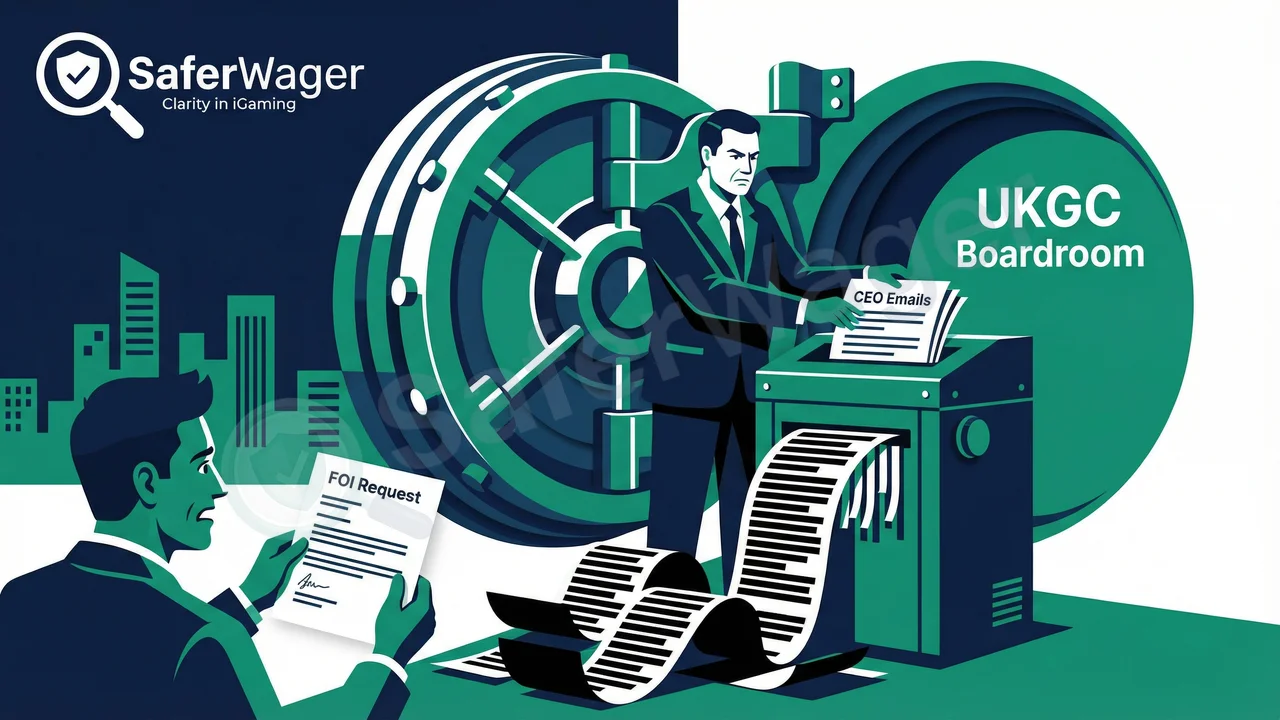
A Freedom of Information request has revealed the UK Gambling Commission is withholding its board meeting papers on affordability checks, citing future publication. Emails from the CEO and to horseracing bodies were also partially redacted, limiting public insight into the development of key consumer protection policies.
Article Content
UKGC Cites Future Publication in Refusal to Release Key Documents
The UK Gambling Commission (UKGC) has withheld key internal documents detailing its board-level discussions on affordability checks, a Freedom of Information (FOI) response has revealed. The regulator cited exemptions relating to future publication and the need to protect internal deliberations as it partially denied a request for information dated 20 February 2023.
The request sought to uncover the regulator's internal policy-making and communications regarding customer interaction and affordability checks for remote gambling operators between April 2022 and February 2023.
What the Request Asked For
For consumers, affordability checks are a critical, if controversial, tool designed to prevent gambling harm by identifying players who may be betting beyond their means. The FOI request specifically asked for three categories of information:
- All papers from UKGC board meetings relating to customer interaction and affordability checks.
- All internal emails from CEO Andrew Rhodes on the same subject.
- All emails between the UKGC and major horseracing bodies concerning the Gambling Act Review and affordability checks.
A Partial Disclosure
The Commission's response provided a partial release of the requested information, applying several exemptions under the Freedom of Information Act 2000 to withhold sensitive material.
Board Meeting Papers: Withheld
The UKGC confirmed it holds papers from its board meetings on the topic but refused to release them. It invoked Section 22(1) of the FOIA, which exempts information that is intended for future publication. The regulator argued that this information is part of its ongoing work to advise the government on the Gambling Act Review and will be published after the government's White Paper is released. According to the UKGC, a premature release could create a "confusing picture" and prejudice the review.
CEO Emails: Partially Released and Redacted
Emails from Chief Executive Andrew Rhodes were released, but with significant redactions. The UKGC applied exemptions to protect legally privileged communications (Section 42) and to prevent inhibiting the "free and frank exchange of views for the purposes of deliberation" among officials (Section 36). This means that while the existence of the emails is confirmed, the public cannot see the legal advice the CEO received or the full extent of internal policy debates on affordability.
Horseracing Body Communications: Mostly Released
The most transparent part of the response concerned communications with horseracing organisations, including the British Horseracing Authority (BHA) and the Jockey Club. These emails were largely provided, with redactions limited to personal data to comply with data protection laws. This disclosure confirms the active dialogue between the regulator and a key industry sector that has voiced concerns about the potential impact of affordability checks on its funding.
Why This Matters for Consumers
This FOI response highlights the guarded approach the UKGC is taking towards transparency during the development of major new consumer protection policies. While the regulator has committed to publishing information in the future, its decision to withhold board-level discussions and redact CEO emails limits public scrutiny of the policy-making process in real time.
For consumers, this means that the detailed reasoning, internal debates, and legal considerations behind the UKGC's stance on affordability checks—a measure that will directly affect their experience with online gambling operators—remain largely behind closed doors until after the government's wider review is published.