
UKGC Staff Site Access Data Revealed
FOI request shows regulator's internal web filtering, but key details are limited.
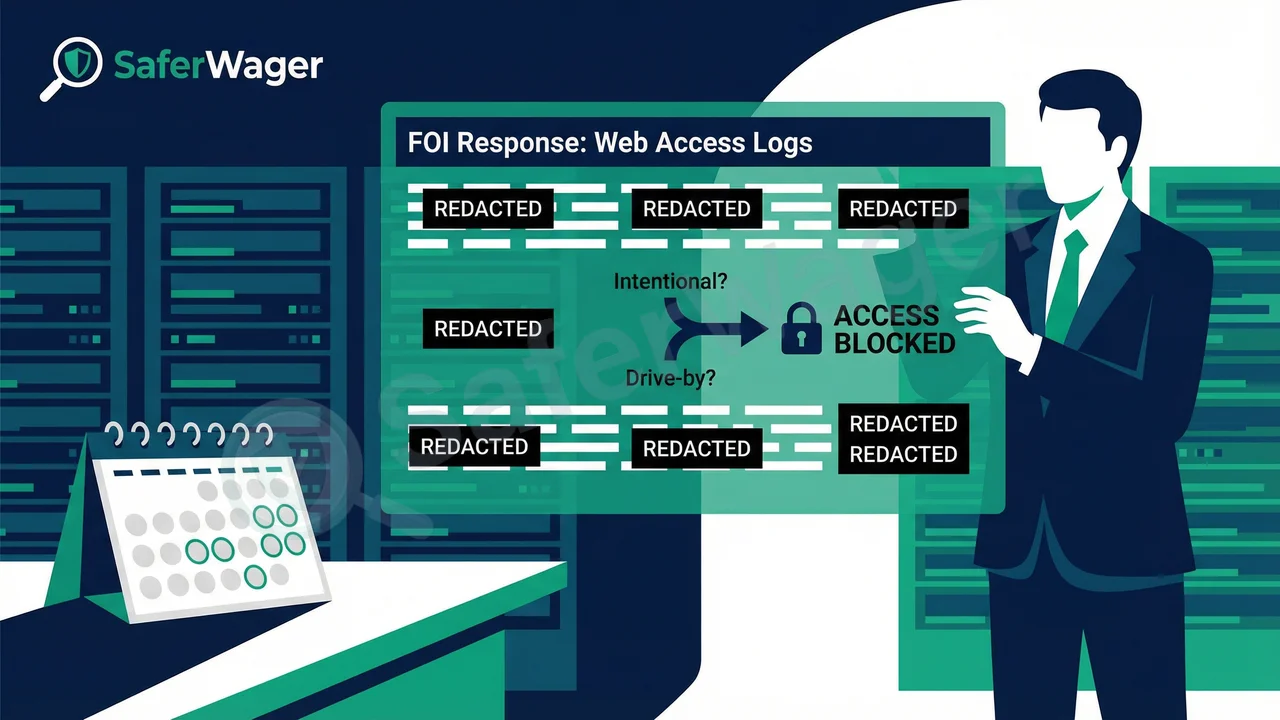
A Freedom of Information request has revealed data on attempts by UK Gambling Commission staff devices to access blocked websites. While the regulator provided a log of blocked access attempts, it noted it cannot distinguish intentional visits from automated blocks of content like adverts. Specific website URLs were not disclosed.
Article Content
A Freedom of Information (FOI) request has provided a look into the internal network security of the UK Gambling Commission (UKGC), revealing data on attempts made from staff devices to access blocked websites.
The disclosure, dated 5 December 2025, responds to a request for information on the regulator's web filtering policies and logs of blocked access attempts between January and December 2025.
What the Data Shows
The UKGC confirmed it maintains a list of blocked website categories on its internal network, which it provided as part of the FOI response. However, the most significant part of the disclosure relates to the log of attempts to access these restricted sites.
While the Commission provided a spreadsheet log of these attempts, it came with crucial caveats and redactions:
- No Distinction on Intent: The UKGC stated it cannot determine whether a block was caused by a staff member intentionally trying to visit a restricted site or by an automated “drive-by” block. A 'drive-by' occurs when a permitted webpage contains blocked elements, such as advertising banners from gambling sites, which are then flagged by the filter.
- Redacted URLs: The specific URLs and domains of the blocked sites were removed from the data provided. The Commission described the released spreadsheet as a “sanitised version.”
- Limited Timeframe: The regulator noted that it only holds this type of data for the last six months, meaning it could not provide information for the full 12-month period requested.
Context and Significance
This information is significant as it offers a rare glimpse into the internal operations and security protocols of the UK's gambling regulator. For consumers, the transparency of the body responsible for ensuring fair and safe gambling is paramount.
The data confirms that, like most professional organisations, the UKGC uses network filtering to restrict access to certain types of online content for its staff. The request specified categories such as gambling, adult content, and illegal streaming.
However, the limitations of the data are as revealing as the data itself. The inability to distinguish between intentional access and automated 'drive-by' blocks means it is impossible to draw any conclusions about staff behaviour. Similarly, the redaction of specific URLs prevents any analysis of which sites or categories are most frequently blocked.
Ultimately, the FOI response confirms that the UKGC monitors its network traffic but highlights the difficulty in interpreting such data without full context. It underscores a level of operational transparency while also protecting specific security and personnel information.