
UKGC Silent on Bally's New Owner Suitability Check
Regulator cites law enforcement exemption in response to query about Intralot's role in major UK operator group.
The UK Gambling Commission has refused to confirm or deny whether it has conducted a suitability review of Intralot, a new part-owner of Bally's Interactive. The regulator cited a law enforcement exemption, leaving consumers without clarity on the vetting of the new ownership for major UK gambling brands.
Article Content
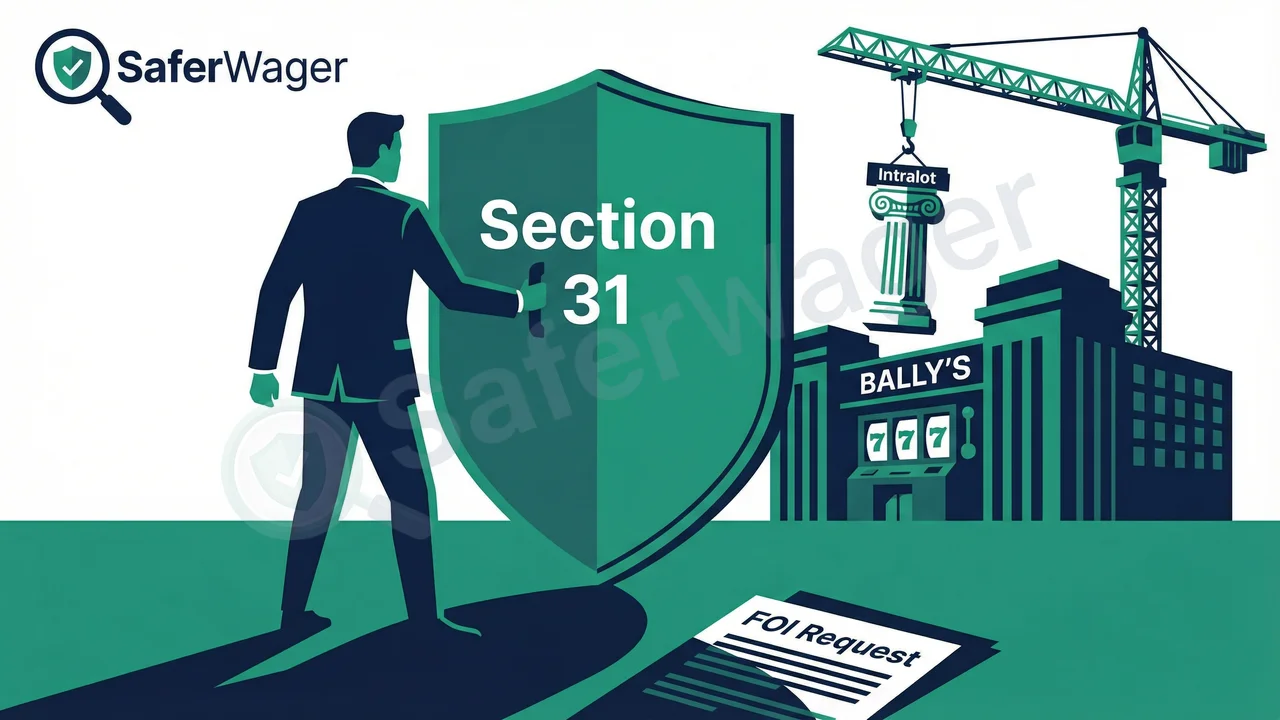
A Freedom of Information (FOI) request has revealed that the UK Gambling Commission (UKGC) will neither confirm nor deny whether it has conducted a suitability review of a new major owner at Bally's Interactive.
The request, dated 19 December 2025, sought clarity on the regulatory due diligence performed on the Greek lottery company Intralot, which recently became a "material owner" of Bally's Interactive.
Why This Matters
Bally's Interactive holds licences for several prominent UK gambling operators, including:
- Gamesys Operations Limited (operator of brands like Jackpotjoy and Virgin Games)
- Gamesys Limited
- Bally's (Newcastle) Limited
- Bally's Interactive Llc
When a company undergoes a change of control, the UKGC is expected to assess the suitability of the new owners to ensure they uphold the UK's strict licensing objectives, which include protecting players and preventing crime. This FOI response shows that the regulator is unwilling to publicly confirm if this crucial process has taken place regarding Intralot.
The Official Response
Instead of providing a direct answer, the UKGC invoked Section 31(3) of the Freedom of Information Act, a "Law Enforcement" exemption. This allows a public body to refuse to confirm or deny holding information if doing so would, or would be likely to, prejudice its regulatory and enforcement functions.
The Commission argued that confirming or denying the existence of a review could "impact on the openness of stakeholders when sharing important information" and that protecting the "integrity of the Commissions regulatory work" was paramount.
In its public interest test, the UKGC acknowledged a "legitimate public interest in promoting accountability and transparency." However, it concluded that the public interest was better served by maintaining the exemption to avoid damaging its position as a regulatory body.
What This Reveals
The UKGC's refusal to confirm or deny is significant. By using a law enforcement exemption, the regulator indicates that the matter is sensitive and directly related to its enforcement capabilities. A simple "no comment" is standard, but invoking Section 31 suggests that revealing any information—even whether an investigation exists—could compromise ongoing or future regulatory activities.
For consumers, this means there is no official confirmation that the new part-owners of some of the UK's largest gambling brands have been vetted and deemed suitable by the regulator. While the UKGC states that all licensees are subject to ongoing compliance, this response leaves a question mark over a specific, significant change in the UK gambling market.