
UKGC Reveals Lottery Complaint Costs
FOI data shows figures for escalated National Lottery disputes, but reveals a gap in reporting under the new operator.
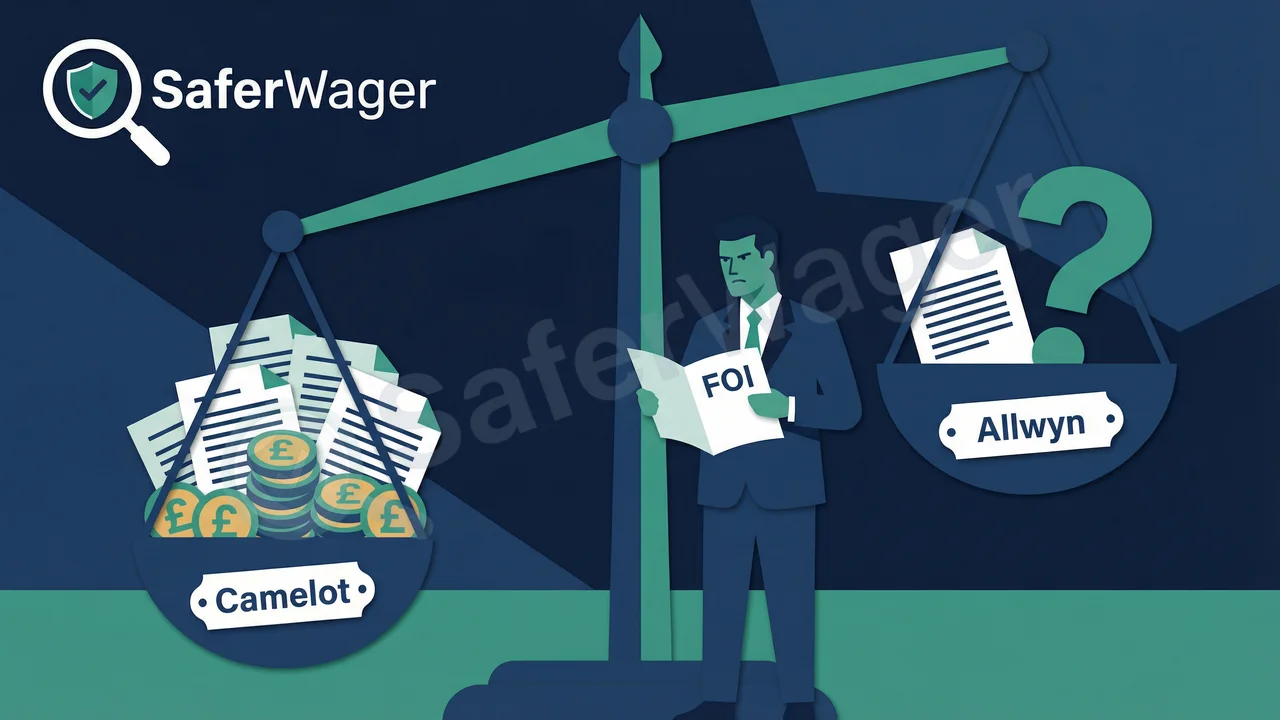
New data from the UKGC details the number of escalated National Lottery complaints handled by ADR provider CEDR from 2021 to 2024. The disclosure reveals the costs associated with dispute resolution under the previous operator but highlights a data gap since Allwyn took over the licence.
Article Content
Lottery ADR Complaints Data Released by UKGC
A Freedom of Information (FOI) disclosure from the UK Gambling Commission (UKGC) has shed light on the number of escalated consumer complaints concerning the National Lottery. The data, released on 1 July 2025, details the disputes handled by the Centre for Effective Dispute Resolution (CEDR) and the associated costs under the previous operator, but reveals a significant information gap since Allwyn took control.
Why This Matters for Consumers
When a player has a complaint against a gambling operator that cannot be resolved directly, they can escalate it to an approved Alternative Dispute Resolution (ADR) provider. For the National Lottery, this service is provided by CEDR. ADR services are free for consumers and offer an independent judgement on disputes. This data provides a rare glimpse into the frequency and cost of these escalated complaints, a key indicator of operator performance and consumer satisfaction.
Breakdown of the Data
The information provided by the UKGC covers the period from the 2021/22 financial year to early 2024, a timeframe that spans the final years of Camelot's operation and the beginning of Allwyn's tenure.
Under the previous operator, the figures were:
- 2021/22: 150 complaints handled by CEDR, with the operator paying £45,000 for the service.
- 2022/23: 180 complaints handled by CEDR, with costs rising to £54,000.
The response noted that the reporting period changed to a calendar year basis when Allwyn became the operator of the National Lottery on 1 February 2024.
A Gap in Transparency
Crucially, the UKGC's response highlights a gap in the available information. While complaint numbers for the start of 2024 were included, the Commission stated: "We do not hold information on the amounts paid to CEDR under the Fourth Licence (2024)."
This means that while the regulator has data on the number of disputes being escalated under the new operator, Allwyn, it does not hold the corresponding financial information regarding the cost of this service. The cost is typically linked to the volume and complexity of cases handled by the ADR provider.
Significance for the Industry
The disclosure provides valuable, albeit incomplete, transparency for a key part of the UK gambling market. The year-on-year increase in complaints and costs during Camelot's final years suggests a growing number of disputes requiring third-party intervention.
For consumers and industry observers, the lack of financial data for the ADR service under the Fourth Licence is the most significant takeaway. It prevents a direct, like-for-like comparison of performance between the old and new operators in the early stages of the new licence period. As Allwyn's operation continues, future disclosures will be essential to build a complete picture of its complaints and dispute resolution record.