
UKGC Refuses to Name Firms in Special Measures
Regulator withholds names of operators requiring 'key improvements', citing risks to its regulatory functions and consumer protection efforts.
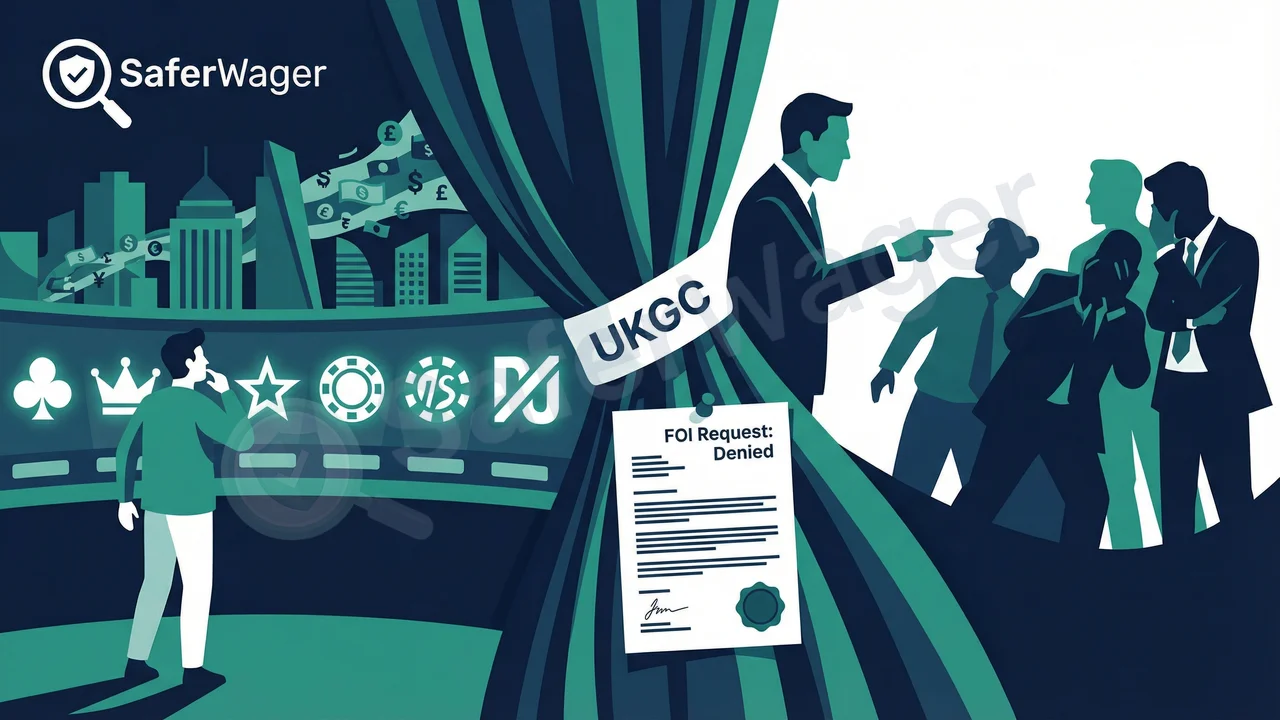
The UK Gambling Commission has refused a Freedom of Information request to name operators placed under 'special measures' for compliance failings. The regulator argued that disclosure would harm its ability to work cooperatively with firms to protect consumers quickly.
Article Content
The UK Gambling Commission (UKGC) has refused to publicly name the gambling operators it has placed under “special measures” for compliance failings, according to a Freedom of Information (FOI) response published by the regulator.
The request, dated 16 July 2025, asked for the names of all firms put into special measures between 2021 and 2025, the reasons for the action, and details of any voluntary divestments paid. The Commission confirmed it held the information but withheld it from public release.
What are 'Special Measures'?
According to the UKGC, placing an operator into special measures is a regulatory tool used “to ensure operators who need to make key improvements are swiftly compliant.” It represents a significant intervention that occurs behind the scenes, intended to address failings before they potentially escalate to the level of public sanctions, fines, or licence reviews.
For consumers, knowing which firms are under such scrutiny could be a key factor in deciding where to gamble. However, this information remains confidential.
The Regulator's Justification
The UKGC denied the request by citing Section 31 of the Freedom of Information Act, which provides an exemption if disclosure would prejudice a public authority's ability to perform its functions.
The Commission’s core argument is that its special measures process relies heavily on voluntary cooperation from gambling firms. It stated that public disclosure would:
- Undermine Cooperation: Operators might become less willing to provide information voluntarily, slowing down the process of identifying and fixing problems.
- Hinder Investigations: It could allow non-compliant operators to “tailor the information they provide to the Commission in a strategic manner” to avoid scrutiny.
- Damage Regulatory Effectiveness: The UKGC believes the fastest way to protect consumers is through this cooperative approach. It argued that releasing the names would damage this process, which “ultimately serves to protect the wider public interest.”
In its public interest test, the Commission acknowledged the importance of transparency and accountability. However, it concluded that the public interest in maintaining a confidential and effective regulatory process outweighed the public interest in disclosing the specific names of the operators involved.
What This Means for Consumers
This decision highlights a significant area of regulatory activity that remains hidden from public view. While the UKGC publicly announces fines and licence suspensions, the special measures process acts as an earlier, non-public intervention.
This means consumers are unaware of which operators have been identified as having failings serious enough to warrant this level of intervention. Gamblers must continue to rely on the UKGC’s public enforcement register, which only details cases that have concluded with a formal, public sanction.
The UKGC did note in its response that aggregate data—the total number of operators in special measures and total voluntary divestments—is available through a separate disclosure. This shows that while the identities of the firms are secret, the use of the measure itself is not.