
UKGC Refuses to Confirm Slot Game Testing
FOI request on Bonanza Megaways testing denied to protect regulatory methods, Commission documents reveal.
The UK Gambling Commission has declined to confirm whether a popular online slot was tested for fairness after a recent update. The regulator cited an exemption to protect its compliance methods, highlighting a conflict between public transparency and regulatory process.
Article Content
The UK Gambling Commission (UKGC) has refused to confirm whether a specific, popular online slot game was tested for fairness following a recent update, according to a Freedom of Information (FOI) response published by the regulator.
The request, dated 19 January 2024, asked the UKGC how often online slots are tested for the accuracy of their stated Return to Player (RTP) and specifically if the game Bonanza Megaways had been tested since its update on 24 July 2023.
While the Commission outlined its general testing procedures, it withheld the specific information requested about the game, highlighting a significant limit on the transparency available to consumers.
The UKGC's Testing Process
For consumers, the RTP figure is a key indicator of a slot game's fairness, representing the theoretical percentage of wagered money a game will pay back to players over time. The UKGC's role is to ensure these figures are accurate and that games are fair.
In its response, the Commission explained its regulatory framework:
- Operator Responsibility: Licensed gambling operators are required to comply with the UKGC's Remote Technical Standards (RTS).
- Independent Testing: Games are not tested by the UKGC itself. Instead, operators must use independent, third-party approved test houses to certify that a game meets the RTS.
- Pre-Release Certification: This testing must be completed, and a test report submitted to the Commission, before a new game or a significant game update is released to the public.
The UKGC's role is to set the standards and ensure the process is followed, rather than testing or approving individual games.
Refusal to Disclose Specifics
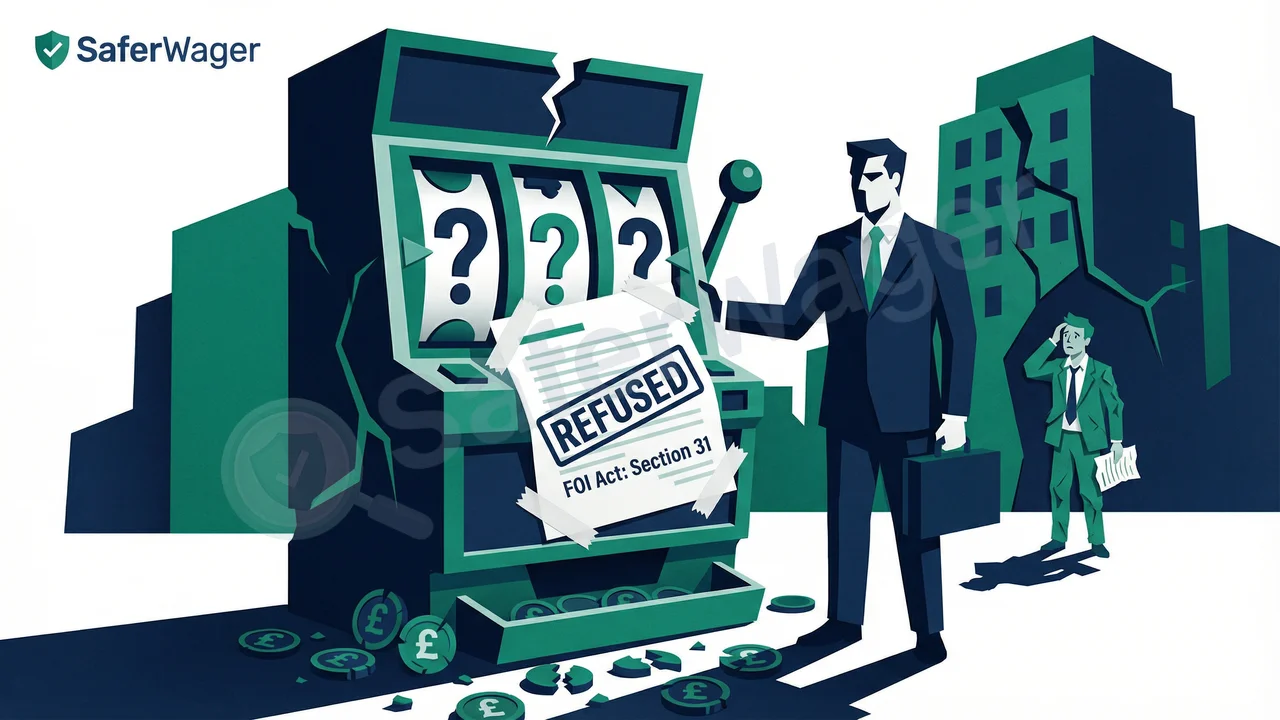
While the UKGC confirmed it holds information relating to the testing of Bonanza Megaways, it refused to release it, citing an exemption under Section 31 of the Freedom of Information Act, which relates to law enforcement and regulatory functions.
The Commission argued that disclosing whether a specific game had been assessed would reveal its compliance methods and techniques. It stated that such a disclosure "could seriously impact the Commission’s assessment process" and could allow non-compliant licensees to "alter their behaviour specifically to meet the Commission’s standards purely for assessment purposes."
After weighing the arguments, the UKGC concluded that the public interest in protecting its regulatory processes outweighed the public interest in transparency for this specific case.
What This Means for Players
The response reveals a key tension between the UKGC's regulatory duties and consumer transparency. While a robust system for testing online slots is in place, players cannot use the FOI process to independently verify the compliance status of a specific game or update they are playing.
Instead, consumers must trust that the operator, the independent test house, and the UKGC have all fulfilled their obligations behind the scenes. The Commission's position is that this confidentiality is essential to effectively police the industry and protect the public at large, even if it means individual queries about specific games will go unanswered.