
UKGC Silent on Tote Self-Seeding
Regulator refuses to confirm or deny holding information on the operator's pool betting practices, citing a law enforcement exemption.
The UK Gambling Commission has refused to confirm or deny whether it holds information on the UK Tote's practice of 'self-seeding' its betting pools. Citing a law enforcement exemption, the regulator's silence leaves consumers questioning the oversight of the practice.
Article Content
Regulator Cites Law Enforcement Exemption in Response
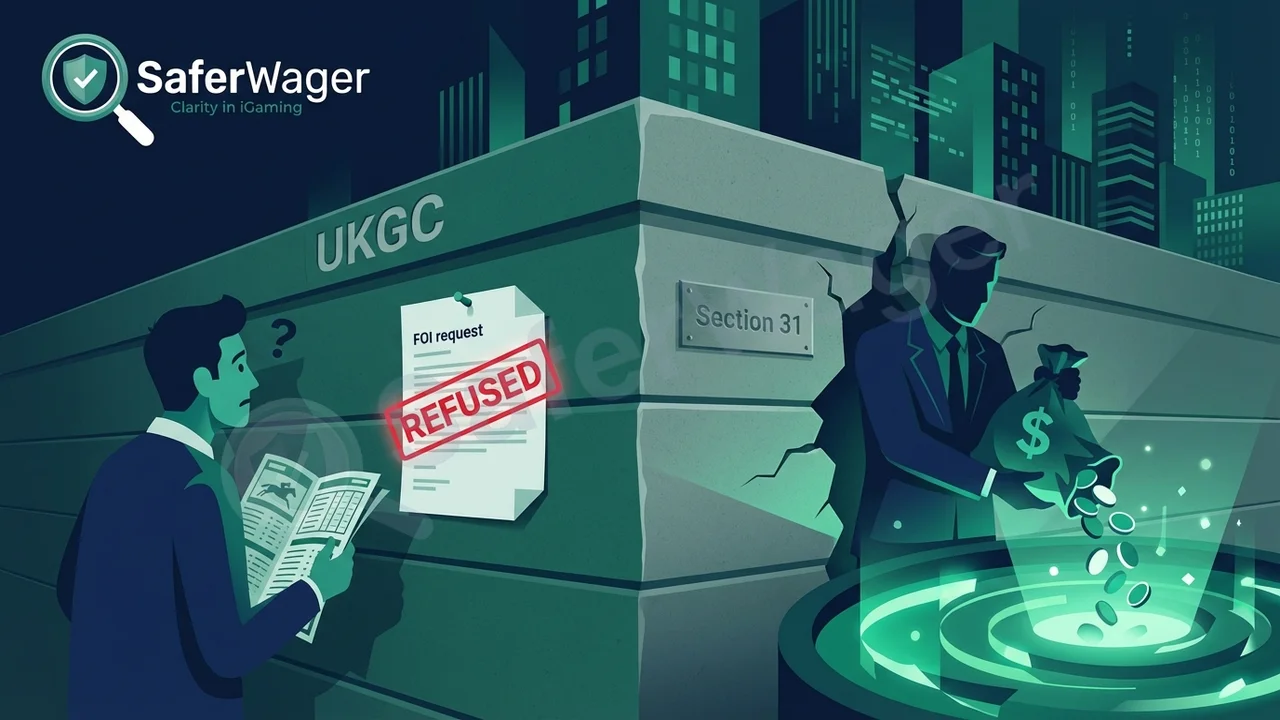
The UK Gambling Commission (UKGC) has refused to confirm or deny whether it holds any information regarding the UK Tote's practice of 'self-seeding' its own betting pools, a Freedom of Information (FOI) response has revealed.
In a request dated 3 May 2024, the regulator was asked to release all information it held on the practice, which involves the Tote adding its own funds to betting pools to increase their size and attractiveness to customers. The practice was recently highlighted in a national newspaper report.
However, the Commission invoked Section 31(3) of the Freedom of Information Act, a 'Law Enforcement' exemption, stating it was unable to confirm or deny the existence of any relevant information.
What the FOI Response Reveals
The UKGC's response explains that confirming or denying whether it holds information on a specific operator could prejudice its regulatory functions. The regulator argued that doing so could:
- Deter sources from sharing important information in the future.
- Alert individuals or operators to potential scrutiny, allowing them to alter their behaviour and evade detection.
- Prejudice the outcome of any current or future work by the Commission or another body.
In a subsequent request for an internal review, the original applicant noted that the Tote has made public statements claiming the practice is "approved" by the Gambling Commission. The applicant argued that a blanket refusal to provide information was too broad.
Despite this, the Commission upheld its original decision. After conducting the internal review, the UKGC concluded that there was a greater than 50% chance that prejudice to its regulatory duties would be caused by confirming or denying it held the requested information.
Why This Matters for Consumers
'Self-seeding' is a practice where an operator contributes its own money to a pari-mutuel or pool betting fund. While this can create larger, more attractive prize pools, it also raises questions for consumers about transparency and who they are betting against.
The UKGC's refusal to comment leaves a significant gap in public knowledge. Consumers are left without official clarification on whether the regulator has examined, approved, or is investigating the practice. The regulator's silence stands in contrast to public claims of approval, creating uncertainty for customers of the UK Tote.
The invocation of a law enforcement exemption, while a standard tool for regulators, indicates that the Commission believes confirming or denying the existence of information could compromise its ability to enforce gambling laws and licence conditions. Ultimately, the response leaves consumers in the dark about the regulatory oversight of a key aspect of the Tote's operations.