
UKGC Refuses to Disclose 'Election Interference' Discussions
Regulator cites law enforcement exemptions to avoid confirming or denying if executives discussed political interference during the 2024 General Election.
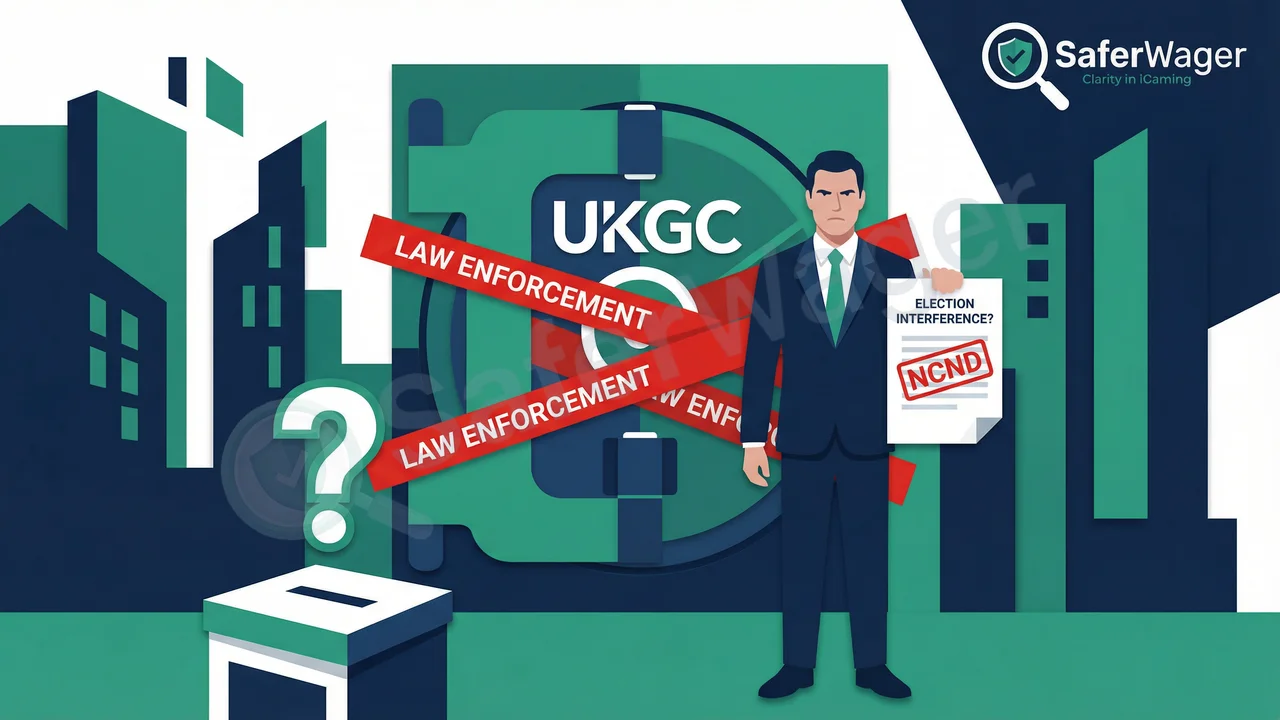
The UK Gambling Commission has used law enforcement exemptions to refuse to confirm or deny if its executives discussed “election interference” during the 2024 General Election. The decision was upheld after an internal review, with the regulator arguing disclosure could harm its ability to investigate and protect consumers.
Article Content
The UK Gambling Commission (UKGC) has refused to confirm or deny whether its senior leadership discussed “election interference” or “political interference” during the 2024 General Election campaign, according to a Freedom of Information (FOI) response published on its website.
The regulator has twice defended its decision to withhold the information, stating that even acknowledging its existence could prejudice its law enforcement and regulatory functions.
The Request and Refusal
A request was made on 22 July 2024 for any documents, emails, or minutes from the UKGC’s executive team that contained the phrases “election interference” or “political interference”. The request covered the period from 1 May 2024 to 22 July 2024, which includes the entirety of the UK General Election campaign.
The Commission’s actions were under intense public scrutiny during this time due to its ongoing investigation into alleged betting offences by political candidates and officials.
In its response, the UKGC invoked Section 31(3) of the Freedom of Information Act, a “law enforcement” exemption. This allows a public body to neither confirm nor deny (NCND) if it holds requested information. The regulator argued that confirming or denying could:
- Alert individuals to the Commission’s activities, allowing them to “alter their behaviours or evade detection.”
- Impact the willingness of stakeholders to share sensitive information with the regulator.
- Prejudice the outcome of future regulatory work.
Internal Review Upholds Decision
The requester challenged the decision, asking for an internal review. They argued the UKGC had failed to properly balance the public interest, particularly given the “undeniable effect” the Commission’s investigation had on the General Election. The requester stated that the public interest in transparency and safeguarding democratic processes should outweigh the regulator's concerns.
After conducting the review, the UKGC upheld its original decision. It maintained that the public interest in protecting its regulatory capabilities was greater than the interest in disclosure. The Commission stated that premature disclosures could “create intense media pressure which could present problems for the judicial processes” and deter sources from sharing important material.
“To be an effective regulator, those who have an interest in the gambling industry must have confidence that the Commission can handle sensitive information accordingly,” the internal review response stated.
Why This Matters for Consumers
This exchange highlights the ongoing tension between regulatory transparency and operational security. The Gambling Commission’s primary duties include preventing crime in gambling and ensuring fairness. It argues that a degree of secrecy is essential to perform these duties effectively and protect consumers from operators who are unfit or incompetent.
However, for consumers, the regulator’s transparency is key to building public trust. When the Commission’s own actions become a major national news story, its refusal to be open about its internal handling of the situation can raise questions about accountability. This case demonstrates the difficult balance the UKGC must strike between its public-facing role and its confidential enforcement work.