
UKGC Redacts BetIndex Collapse Report
Regulator cites commercial sensitivity and law enforcement concerns to withhold details from a 2021 internal debrief.
The UK Gambling Commission has released a heavily redacted internal report on the collapse of BetIndex. The regulator withheld key information, citing exemptions for commercial interests and potential prejudice to its law enforcement functions.
Article Content
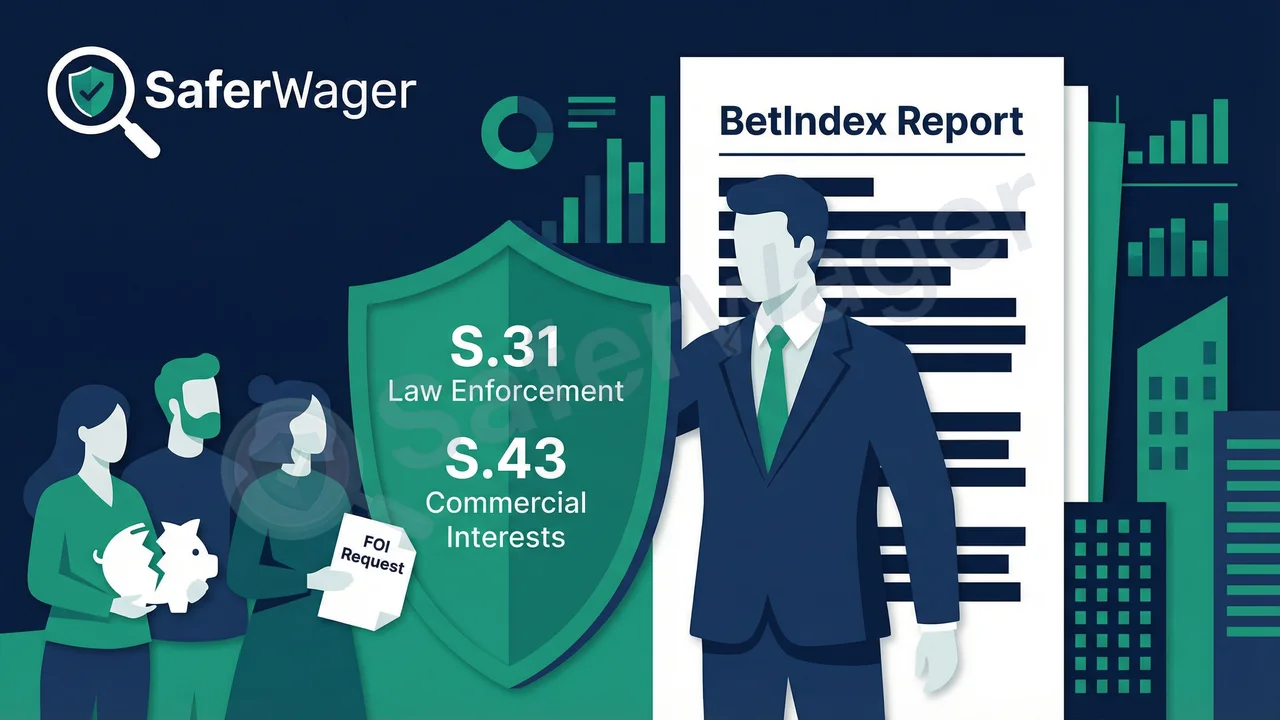
The UK Gambling Commission (UKGC) has released a heavily redacted internal report concerning the collapse of BetIndex, the company behind the Football Index platform. In response to a Freedom of Information (FOI) request dated 13 October 2025, the regulator published a document titled "BetIndex debrief 10092021" but withheld significant portions, citing legal exemptions related to commercial interests and its own law enforcement functions.
Context: The BetIndex Collapse
The collapse of BetIndex in March 2021 was one of the most significant failures in recent UK gambling history, leaving thousands of consumers with substantial financial losses. The event triggered multiple investigations, including an independent review, and raised serious questions about the regulatory oversight of novel betting products. This FOI response sheds light on the UKGC's internal assessment following the collapse, but also demonstrates the limits of public transparency.
Why Information Was Withheld
The UKGC justified its extensive redactions by invoking three separate sections of the Freedom of Information Act 2000.
1. Personal Data (Section 40)
As is standard practice, the Commission removed information that could identify individuals, citing its obligations under the Data Protection Act 2018.
2. Commercial Interests (Section 43)
The UKGC argued that disclosing detailed information about individual companies, particularly those not directly in the gambling industry, would likely prejudice their commercial interests. The regulator stated that businesses interacting with it have a "reasonable expectation that their information would not be published on an individual basis." In its public interest assessment, the UKGC concluded that the need to preserve confidentiality outweighed the public interest in disclosure for this category of information.
3. Law Enforcement (Section 31)
Most significantly, the UKGC withheld information on the grounds that its release would, or would be likely to, prejudice its ability to carry out its regulatory functions. The Commission specified that disclosure could harm its ability to:
- Ascertain if a person has failed to comply with the law.
- Determine responsibility for improper conduct.
- Assess whether circumstances justify regulatory action.
The regulator expressed concern that revealing such details could deter operators and other sources from sharing important information in the future and expose sensitive investigative techniques.
Significance for Consumers
While the UKGC acknowledged the "considerable public interest" in the BetIndex case, it ultimately decided that protecting its regulatory capabilities was paramount. The response noted that the public interest test for the law enforcement exemption was "finely balanced," but that the need to maintain the trust of operators who share sensitive data was crucial for its work in making gambling fairer and safer.
For consumers, this outcome highlights the inherent tension between regulatory transparency and operational effectiveness. While the release of the redacted report confirms the existence of an internal debrief from September 2021, the key details of what the UKGC knew and discussed remain hidden from public view. The regulator's decision underscores its position that full transparency could compromise its ability to conduct future investigations, which it argues is essential for protecting the wider public interest.