
UKGC: No Youth Lottery Harm Data
FOI reveals a multi-year gap in analysis of problem gambling rates for young lottery players.
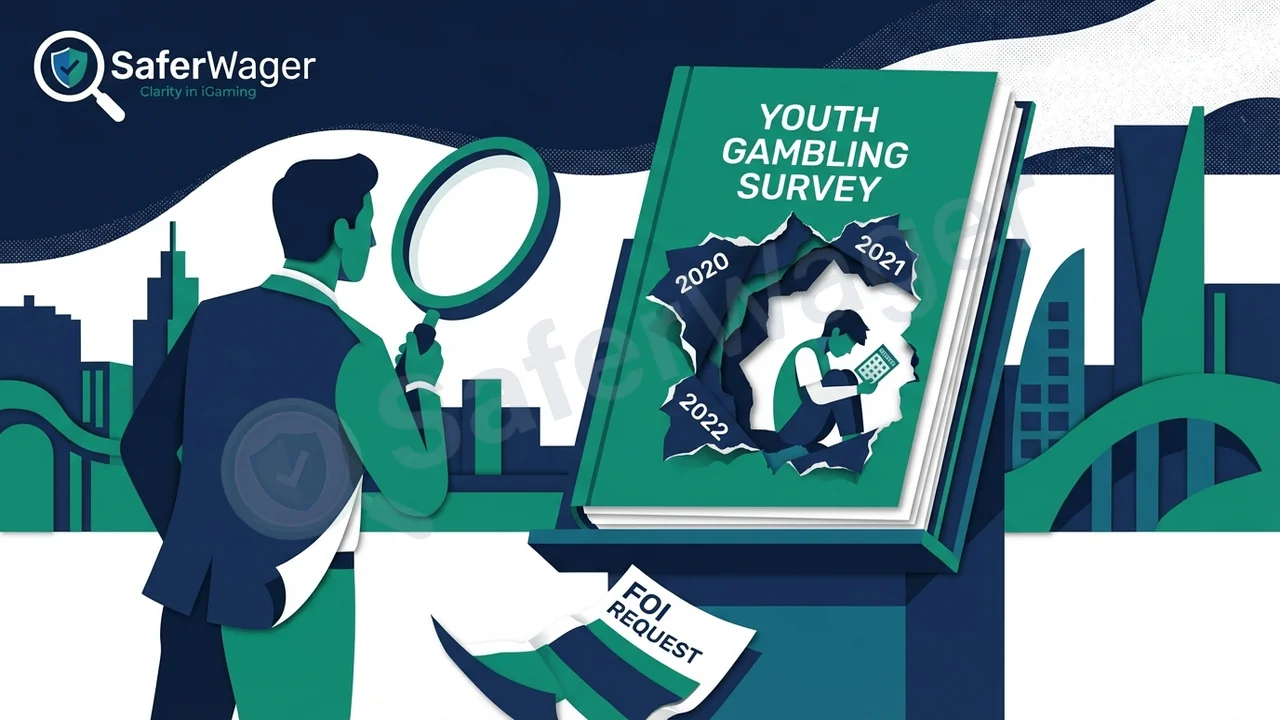
An FOI has shown the UKGC holds no specific analysis on problem gambling rates for young lottery players from 2020-2022. The data gap is due to an incomplete 2020 survey, no survey in 2021, and a lack of specific analysis in 2022, creating a blind spot on youth gambling harm.
Article Content
A Freedom of Information (FOI) request has revealed that the UK Gambling Commission (UKGC) does not hold any specific analysis on problem gambling rates among young people who play lottery products for the years 2020, 2021, and 2022.
The disclosure highlights a significant gap in the regulator's data on the potential harms associated with one of the most accessible forms of gambling for young people.
Context: A Key Dataset
The request, dated 17 November 2022, specifically sought memoranda and communications regarding problem gambling rates among young players of lottery activities, including National Lottery instant wins and private lotteries. The data was requested from the UKGC's annual Young People and Gambling Survey, a crucial tool for monitoring gambling behaviour and harm among 11 to 16-year-olds.
This survey series is fundamental to understanding how, where, and why young people gamble, and what risks they face. The lack of specific analysis on lottery products is notable, as they are often the first and most common gambling activity that young people experience.
Details: A Multi-Year Data Gap
In its response, the Gambling Commission confirmed it held "no recorded information" falling within the scope of the request. The regulator provided a year-by-year breakdown explaining the absence of the requested analysis:
- 2020: Fieldwork for the survey was not completed due to the impact of the Covid-19 pandemic. The Commission stated the partial data was "deemed unrepresentative," and as a result, no report or further analysis was conducted.
- 2021: The UKGC did not undertake a Young People and Gambling survey in this year, meaning no data was collected.
- 2022: While the survey was conducted and a report was published, the Commission confirmed that the specific analysis requested—linking lottery play to problem gambling rates using the DSM-IV-MR-J screen—had not been undertaken at the time of the response.
Significance: Implications for Regulation
The absence of this specific analysis creates a blind spot in the official understanding of harms associated with products like National Lottery scratchcards, which can be legally purchased by 16 and 17-year-olds.
For consumers and parents, this means there is a lack of detailed, official data from the regulator on the specific risks these widely available products may pose to young people. Without robust data connecting lottery play to problem gambling scores, it is more challenging for the regulator, public health organisations, and educational bodies to formulate evidence-based policies and targeted protection measures. The findings underscore the difficulty in tracking gambling-related harm trends among youths during a period disrupted by the pandemic.