
UKGC: No Data Held on Small Lottery Numbers
FOI response reveals the gambling regulator does not hold a central count of active small society lottery operators in the UK.
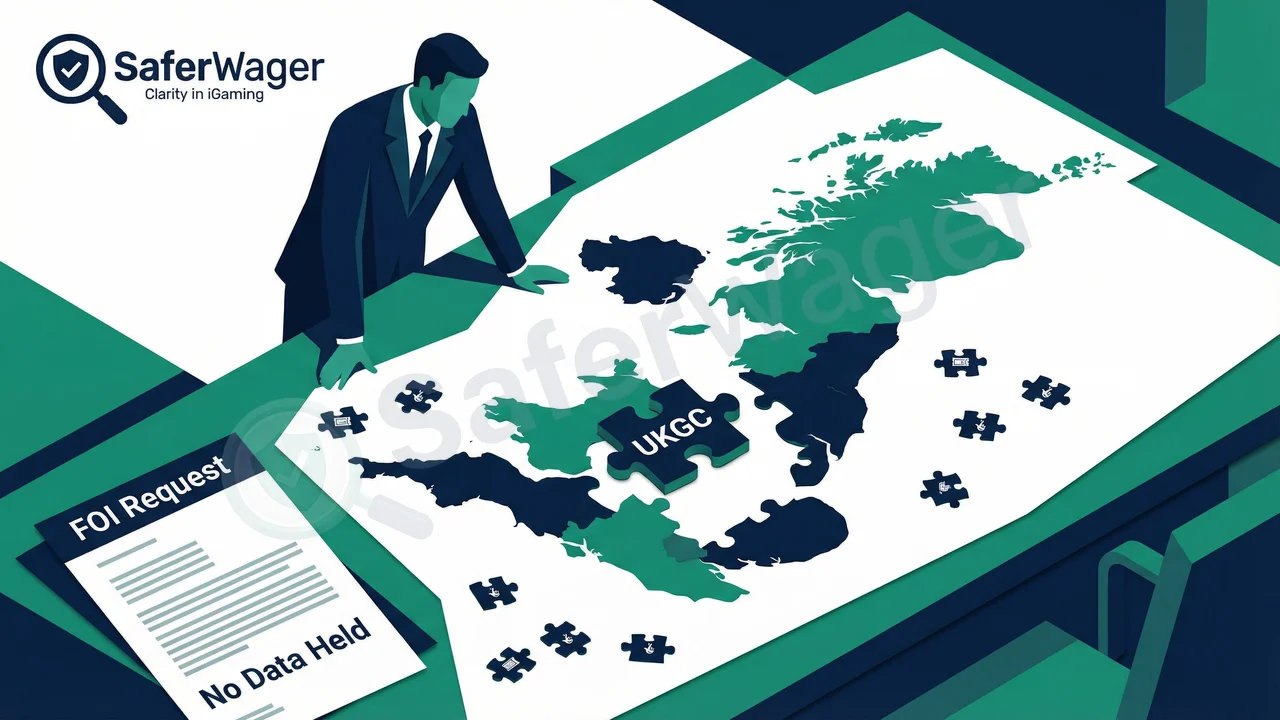
A Freedom of Information response confirms the UK Gambling Commission does not track the number of active small society lotteries. This reveals a gap in national oversight, as these operators are registered with local authorities, not a central body.
Article Content
A Freedom of Information (FOI) request has revealed that the UK Gambling Commission (UKGC) does not hold data on the total number of active small society lottery operators in the country. The response highlights the decentralised nature of regulation for this specific sector of the gambling market.
On 19 May 2023, a request was made to the UKGC asking for the number of small society lottery operators active in the UK each year. In its official response, the Commission stated: "I can confirm that no information falling within the scope of your request is held by the Gambling Commission."
Why the UKGC Doesn't Hold This Data
This response does not indicate a failure to collect data, but rather reflects the specific regulatory framework for small lotteries in Great Britain. Small society lotteries are those run for the benefit of a non-commercial society, such as a charity, sports club, or local community group.
Under the Gambling Act 2005, these organisations are not licensed by the Gambling Commission. Instead, they are required to register with their local authority. This means the data on active operators is held by hundreds of individual councils across the country, rather than in a single, central database managed by the UKGC.
A society lottery only requires a licence directly from the Gambling Commission if it exceeds certain financial thresholds, at which point it is classified as a 'large' society lottery. The UKGC only tracks the operators it directly licences.
What This Means for Consumers
The absence of a central register has significant implications for consumers and industry transparency. Key points include:
- Fragmented Information: Consumers wishing to verify the legitimacy of a small society lottery cannot consult a single, national database. They would need to contact the specific local authority where the society claims to be registered.
- Unknown Scale: Without central data aggregation, the true scale of the small society lottery sector—including the total number of operators and the cumulative funds raised for good causes—remains unknown at a national level.
- Regulatory Oversight: While each lottery is regulated by its local authority, the lack of a national overview makes it more challenging to analyse trends, identify potential risks, or formulate national policy effectively.
This FOI response clarifies that the responsibility for tracking the vast majority of society lotteries lies at the local, not national, level. For consumers, this underscores the importance of checking for a lottery's registration details with its local council if they have any concerns about its legitimacy.