
UKGC Holds No Data on 'Buy Now, Pay Later' Betting
FOI request reveals regulator does not track use of Klarna or PayPal 'Pay Later' services for gambling, highlighting a potential data gap.
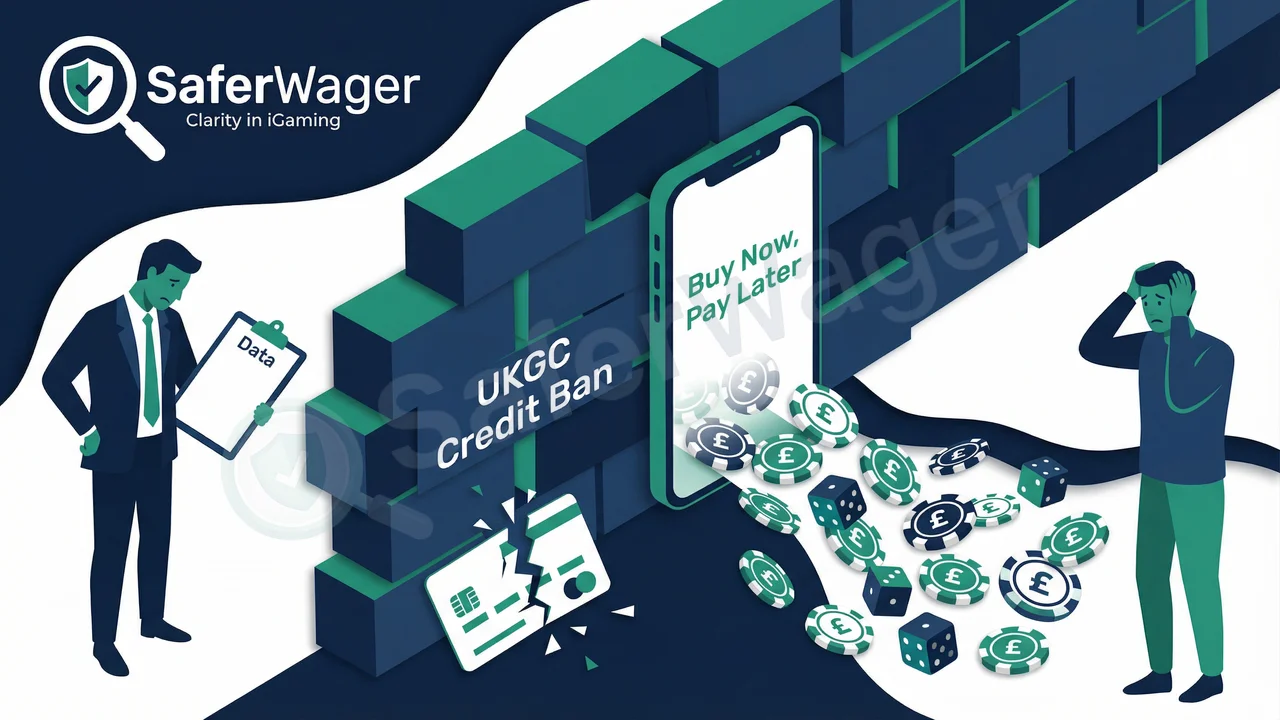
A Freedom of Information request has revealed the UK Gambling Commission does not hold any data on the use of 'Buy Now, Pay Later' services for betting. This highlights a potential gap in monitoring gambling with credit, a practice largely banned in the UK since 2020.
Article Content
Regulator Confirms Lack of Data on BNPL Gambling
A Freedom of Information (FOI) request has revealed that the UK Gambling Commission (UKGC) does not hold any data on the number of bets placed using 'Buy Now, Pay Later' (BNPL) services. The response confirms the regulator is not currently tracking the use of specific products like Klarna's 'Pay in 3' or PayPal's 'Pay Later' for gambling transactions.
Why This Matters for Consumer Protection
In April 2020, the UKGC implemented a ban on using credit cards for all forms of online and offline gambling. The primary reason for this ban was to add a layer of protection for consumers, preventing them from betting with borrowed money and accumulating high levels of debt.
BNPL services, while often structured differently from traditional credit cards, still represent a form of credit. They allow consumers to make purchases and defer the full payment to a later date. The absence of regulatory data on their use in the gambling sector raises questions about how effectively the spirit of the credit card ban is being upheld as new payment technologies emerge.
Details of the FOI Request
The request, dated 15 April 2025, specifically asked the Commission for the following information for the year 2024:
- How many bets were placed using Klarna - Pay in 3 / Pay Later?
- How many bets were placed using PayPal - Pay Later?
In its official response, the UKGC stated: "I can confirm that no information in the scope of your request is held by the Gambling Commission."
This is not a refusal to provide information, but a confirmation that the data is not collected or held by the regulator. This means the UKGC cannot currently quantify how prevalent, if at all, the use of these specific BNPL products is for placing bets with licensed operators.
Significance and Industry Implications
The finding highlights a potential blind spot in the oversight of gambling payment methods. Without data, it is impossible for the regulator or consumer protection groups to assess the scale of any potential risk. While gambling operators are responsible for preventing the use of credit cards, the methods for identifying and blocking BNPL services that function as credit are less clear.
For consumers, this lack of transparency means it is difficult to know the full picture regarding gambling with credit. The core principle of the credit card ban was to ensure people only bet with money they have. The emergence of new, unregulated credit forms presents a challenge to this principle. This disclosure may prompt further discussion among policymakers and the Commission about whether data collection practices need to evolve to keep pace with the rapidly changing financial technology landscape.