
UKGC: No Data on EuroMillions Sales
FOI request reveals the UK regulator does not hold detailed, country-by-country sales figures for the transnational lottery.
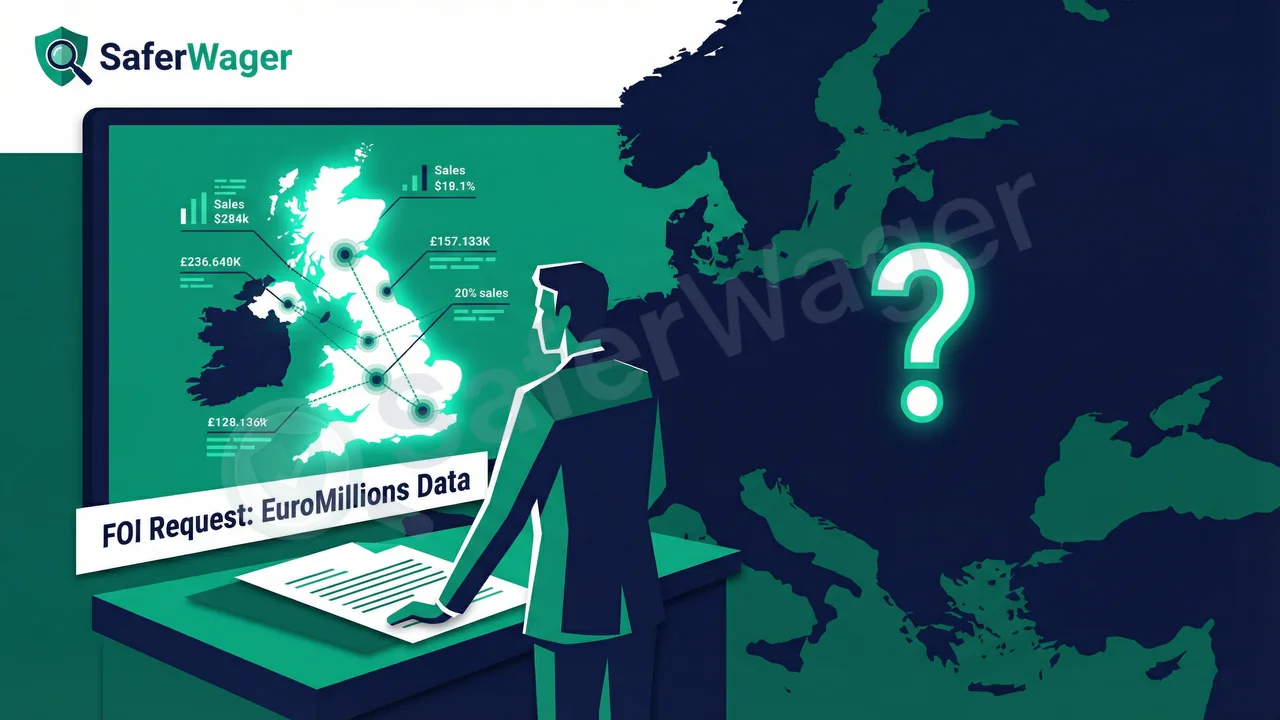
A Freedom of Information request has revealed the UK Gambling Commission does not hold detailed sales data for EuroMillions tickets across all participating countries. This highlights the complex regulatory landscape of transnational lotteries and clarifies the scope of the data collected by the UK's primary gambling regulator.
Article Content
Regulator Confirms It Does Not Hold Pan-European Lottery Data
A Freedom of Information (FOI) request has revealed that the UK Gambling Commission (UKGC) does not hold detailed sales data for EuroMillions tickets across all participating countries. The finding clarifies the scope of the regulator's data collection and highlights the unique structure of transnational lotteries.
Context: Understanding Regulatory Boundaries
For UK consumers, the Gambling Commission is the primary body for ensuring fair and safe gambling. Many might assume the regulator maintains comprehensive data on all games of chance available in the country. However, this response demonstrates the complexities involved with multi-national games like EuroMillions, where operational data is not centralised with a single country's regulator.
Understanding these boundaries is crucial for consumers seeking information about the gambling industry, as it clarifies which organisations are responsible for holding specific types of data.
Details of the Request
The request, dated 1 September 2025, asked the UKGC for the exact number of EuroMillions tickets sold per participating country for every draw over the last five years. The applicant sought a detailed breakdown for nations including the UK, France, and Ireland, formatted in a spreadsheet.
In its official response, the Gambling Commission stated: "The Gambling Commission can confirm that no information is held falling within the scope of your request."
This 'Information not held' outcome does not mean the data does not exist, but rather that the UKGC is not the body that collects or stores it. The data is likely held by the consortium of national lottery operators that jointly run the EuroMillions game across nine European countries.
Significance: A Lesson in Lottery Structure
The UKGC's response underscores the operational and regulatory framework of transnational lotteries. While the UKGC regulates the UK's National Lottery operator (currently Allwyn), its remit does not extend to collating sales data from the eight other independent national operators involved in EuroMillions.
For consumers and researchers, this means that requests for comprehensive, pan-European sales data must be directed toward the lottery operators themselves or the central service organisations that coordinate the game, rather than a single national regulator like the UKGC.
This case serves as an important clarification on the limits of national regulatory oversight concerning international gambling products. It confirms that while the UKGC regulates the sale of tickets within Great Britain, the broader, international sales landscape falls outside its direct data-gathering responsibilities.