
UKGC Licensing Received 8 Complaints in 2023
FOI data shows low complaint volume against the regulator's licensing department, with none naming specific staff.
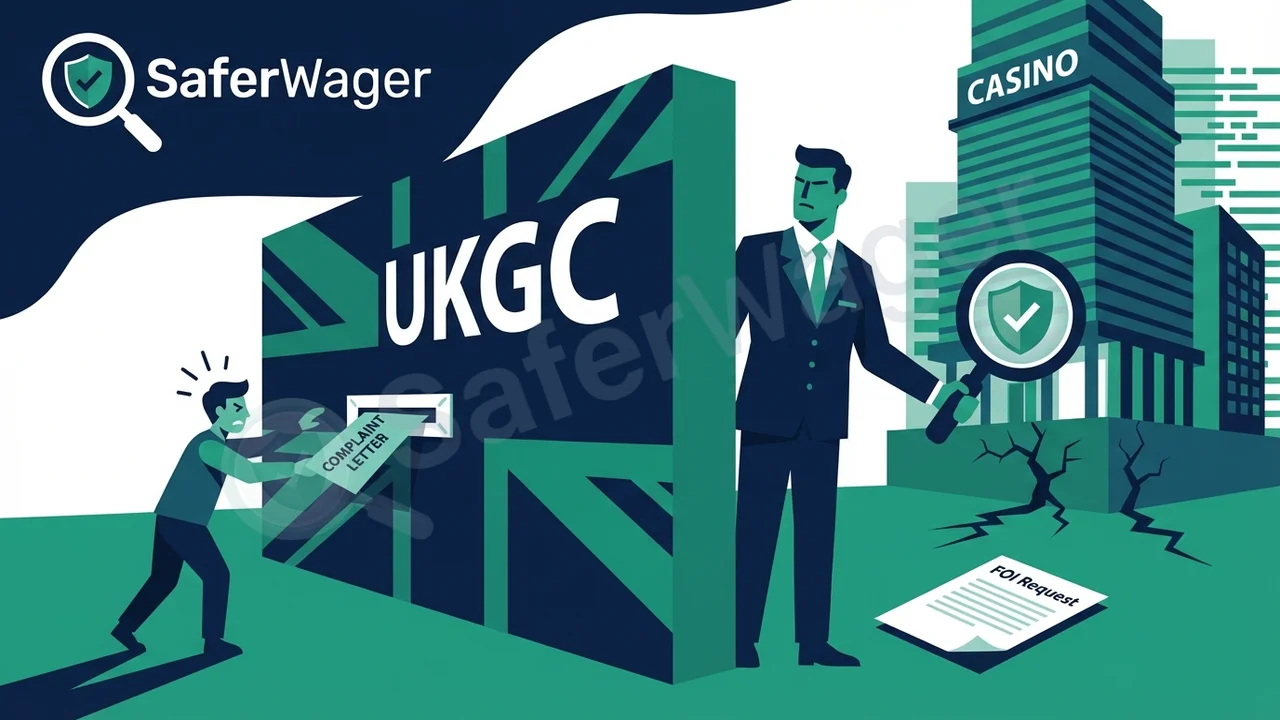
A Freedom of Information request has revealed that the UK Gambling Commission's licensing department received only eight complaints over a 13-month period. The data also clarifies the regulator's role, reminding consumers it is not an ombudsman for individual disputes.
Article Content
UKGC Reveals Low Complaint Volume Against Licensing Team
A Freedom of Information (FOI) request has revealed that the UK Gambling Commission's (UKGC) licensing department received just eight complaints over a 13-month period. The data, disclosed following a request made on 13 February 2024, covers the period from 1 January 2023 to 13 January 2024.
This low number of complaints against the department responsible for issuing and managing licences for all UK gambling operators suggests a high level of procedural satisfaction or a low incidence of perceived issues from applicants and licence holders.
Breakdown of the Findings
The key data points from the UKGC's response are:
- Total Complaints: Eight complaints were received concerning the Licensing department during the specified period.
- Staff-Specific Complaints: None of the eight complaints referred to a specific caseworker or named member of the Commission's staff.
The FOI request also asked for the Commission's reasoning for encouraging complaints and whether the UKGC itself can complain about operators. The regulator declined to answer these specific questions, stating they did not constitute a request for recorded information under the Freedom of Information Act 2000. The Act gives the public the right to access recorded information held by public authorities, but not to request views or opinions.
What This Means for Consumers
While the data focuses on complaints against the regulator itself, the UKGC's response provides a crucial clarification for consumers who have issues with a gambling operator. The Commission reiterated its role as an industry regulator, not an ombudsman.
This means the UKGC does not intervene in or resolve individual customer complaints, such as disputes over winnings or account closures. Its primary function is to ensure operators comply with their licence conditions and the law.
The Commission explained how it uses consumer information: "We use evidence from a range of places, including from gambling customers, to build cases against gambling businesses. Information provided to us helps inform our work to raise gambling industry standards and make gambling fairer and safer."
If the UKGC receives sufficient information about a systemic issue at an operator, it may launch a formal investigation or "commence a dialogue with the operator." Therefore, while reporting an issue to the UKGC will not resolve a personal dispute, it contributes to a larger intelligence picture that helps the regulator identify and act against non-compliant operators, ultimately protecting all consumers.