
UKGC: Zero Successful Licence Appeals Since 2021
FOI data reveals no successful appeals against UKGC licensing decisions, but the regulator has redacted all operator and individual names.
Data obtained from the Gambling Commission shows a 0% success rate for licensing appeals since 2021. However, the regulator has redacted the names of all appellants, arguing that disclosure would harm its ability to regulate the industry.
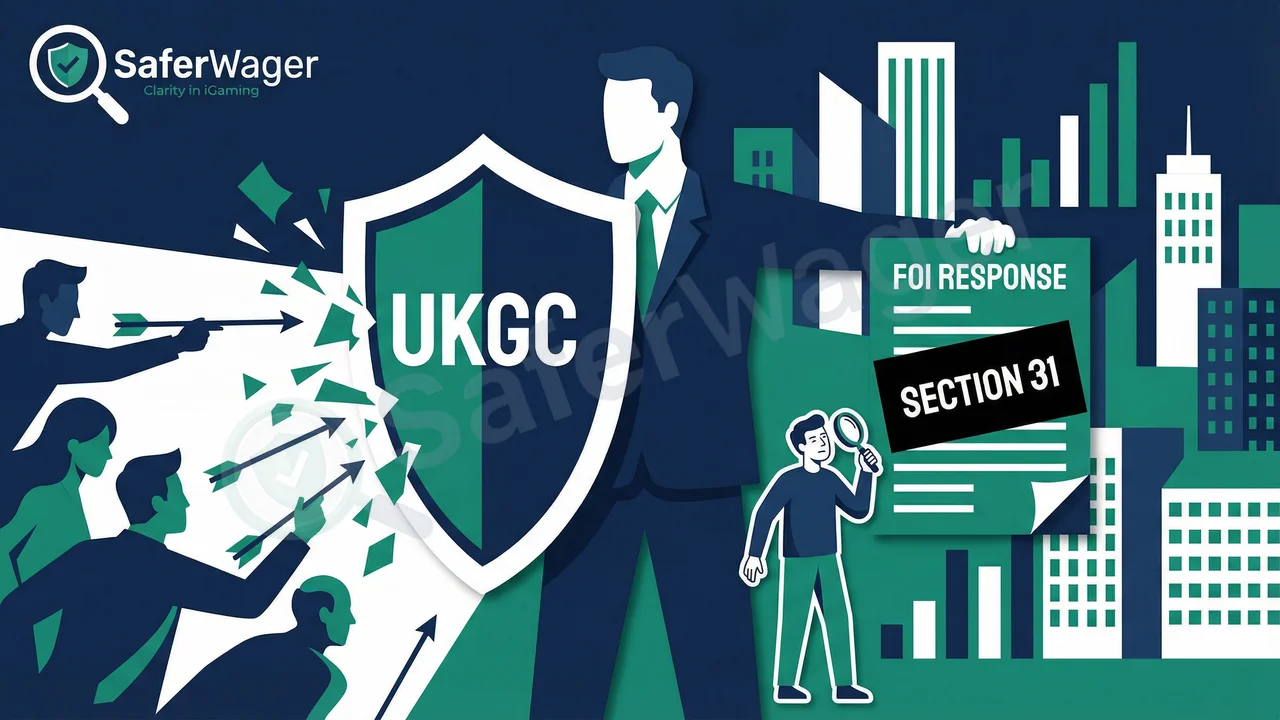
Article Content
A Freedom of Information (FOI) disclosure from the Gambling Commission (UKGC) has revealed that no gambling companies or individuals have successfully appealed a licensing decision at a tribunal since the start of 2021.
Data released following a request on 10 April 2025 shows that while five appeals were lodged against the regulator's decisions, none were formally successful. However, the UKGC has withheld the names of all appellants, citing exemptions that it argues are necessary to protect its regulatory functions.
What the Data Shows
The information covers the period from 1 January 2021 to the present. The route for challenging a UKGC licensing decision, such as a licence revocation or suspension, is through the First-tier Tribunal.
The data reveals the outcomes of five such appeals:
- Three appeals were withdrawn by the appellant before a final decision was reached.
- One appeal was unsuccessful.
- One appeal was technically unsuccessful, but a "consent order" was agreed upon between the parties, which resulted in the reinstatement of the individual's Personal Functional Licence (PFL).
This 0% success rate for appellants suggests that the Gambling Commission's initial licensing decisions are robust and legally sound, holding up under the scrutiny of the tribunal process.
Why Were Operator Names Withheld?
Despite the request asking for the names of the companies involved, the UKGC redacted all identifying information. The regulator invoked two key exemptions under the Freedom of Information Act 2000 to justify this secrecy.
First, Section 40(2) was used to protect the personal data of identifiable individuals, which is a standard procedure.
More significantly, the Commission applied a Section 31 (Law Enforcement) exemption. It argued that disclosing the names of the appellants would likely prejudice its ability to regulate the industry effectively. The UKGC stated that disclosure could:
- Undermine the trust and free flow of information between the Commission and its licensees.
- Hinder its ability to investigate the fitness and competence of operators.
- Ultimately damage its processes for protecting consumers from unfit licensees.
In its public interest assessment, the UKGC acknowledged the need for transparency but concluded that the public interest was better served by withholding the information to preserve the integrity of its regulatory relationships and processes.
What This Means for Gamblers
For consumers, this data presents a mixed picture. On one hand, the fact that no appeals have succeeded since 2021 is a strong indicator that the UKGC is effective in taking action against non-compliant operators and that these actions are legally justified.
On the other hand, the complete lack of transparency regarding which operators have faced severe regulatory action—severe enough to warrant an appeal—is a significant concern. Consumers are unable to see which companies have had their fitness to hold a licence questioned by the regulator. The Commission's position is that this secrecy is a necessary trade-off to maintain its ability to protect the public in the long run.