
Land-Based Self-Exclusions Up 57% in Two Years
UKGC data reveals over 41,000 self-exclusions from betting shops, casinos, and arcades were recorded in the last financial year.
Newly released data from the Gambling Commission shows a 57% increase in land-based self-exclusions over two years, reaching over 41,000 in FY23. The figures, broken down by sector, highlight a significant rise in the use of this key consumer protection tool, though the regulator notes limitations in the data.
Article Content
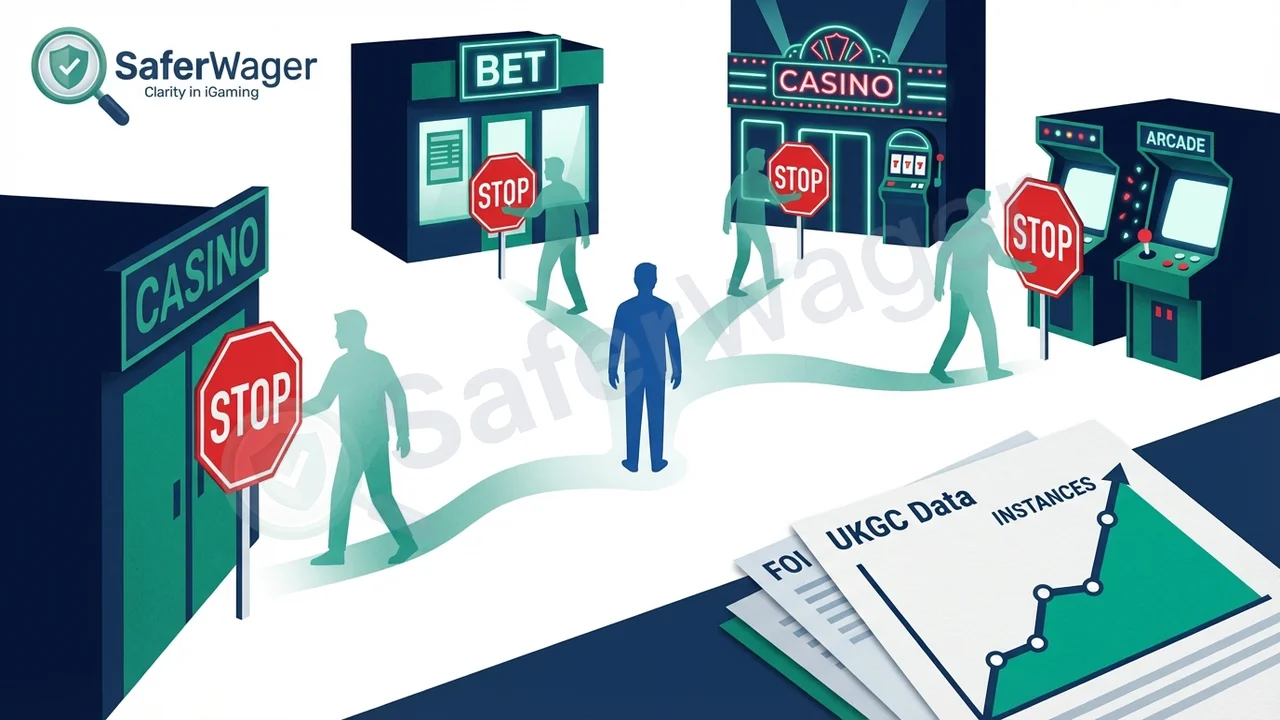
A Freedom of Information (FOI) request has revealed a sharp increase in the number of self-exclusions from land-based gambling venues across the UK. Data released by the Gambling Commission (UKGC) shows that the number of self-exclusion instances rose by 57% in two years, from 26,100 in the 2020/21 financial year to 41,037 in 2022/23.
These figures provide a crucial, if incomplete, snapshot of the number of consumers actively seeking to block themselves from physical gambling premises.
Why This Data Matters
Self-exclusion is a primary tool for individuals who feel their gambling is becoming a problem. By signing up, a person requests that an operator refuses their service for a minimum period, typically between six months and five years. A rising number of exclusions can indicate two things: either an increase in gambling harm, or a greater awareness and use of the consumer protection tools available. For consumers, this data highlights industry trends and the scale of harm-reduction measures being used.
A Closer Look at the Numbers
The UKGC provided a breakdown of self-exclusions reported by operators across different land-based sectors for the last three financial years (FY).
Total Self-Exclusions by Year:
- FY21 (2020/21): 26,100
- FY22 (2021/22): 31,681
- FY23 (2022/23): 41,037
The most recent data for FY23 shows that betting shops continue to account for the vast majority of self-exclusions.
Breakdown by Sector (FY23):
- Betting: 24,513
- Adult Gaming Centre: 7,795
- Bingo: 4,944
- Casino: 3,738
- Family Entertainment Centre: 47
While betting shops saw a 40% increase in exclusions over the two-year period, other sectors saw even more dramatic growth. Exclusions from Adult Gaming Centres (arcades) grew by 147%, and those from bingo halls increased by nearly 100%.
Important Limitations
The Gambling Commission was careful to add important context to the figures. The data represents the number of self-exclusion instances, not the number of unique individuals.
This is a critical distinction. If one person self-excludes from three different betting companies, they will be counted three times in these figures. The UKGC states it is "unable to provide the number of distinct individuals" due to the way operators report the information.
Furthermore, the regulator notes that some parent companies may submit a single figure for all their brands, while others report on a per-operator basis, making direct comparisons difficult.
Despite these limitations, the data clearly demonstrates a significant and sustained increase in the use of self-exclusion tools across all major land-based gambling sectors in the UK.