
UK & Ireland Discuss Gambling Regulation
FOI reveals meetings between UKGC and Irish Minister James Browne TD as Ireland prepares major gambling reforms.
Documents released by the UK Gambling Commission confirm meetings took place with a key Irish minister overseeing gambling reform. The collaboration comes as Ireland prepares to launch its own dedicated gambling regulator, suggesting a sharing of regulatory experience between the two nations.
Article Content
Documents released by the UK Gambling Commission (UKGC) have confirmed that high-level meetings on gambling regulation have taken place with a key Irish government minister.
An investigation by Saferwager into the regulator's Freedom of Information (FOI) disclosures reveals that officials met with James Browne TD, the Irish Minister of State at the Department of Justice. The disclosure confirms a channel of communication between the two jurisdictions as Ireland undertakes a significant overhaul of its own gambling laws.
The Disclosure Details
A Freedom of Information request submitted on 20 October 2023 asked for all records of meetings between the UKGC and Minister Browne from January 2022 onwards.
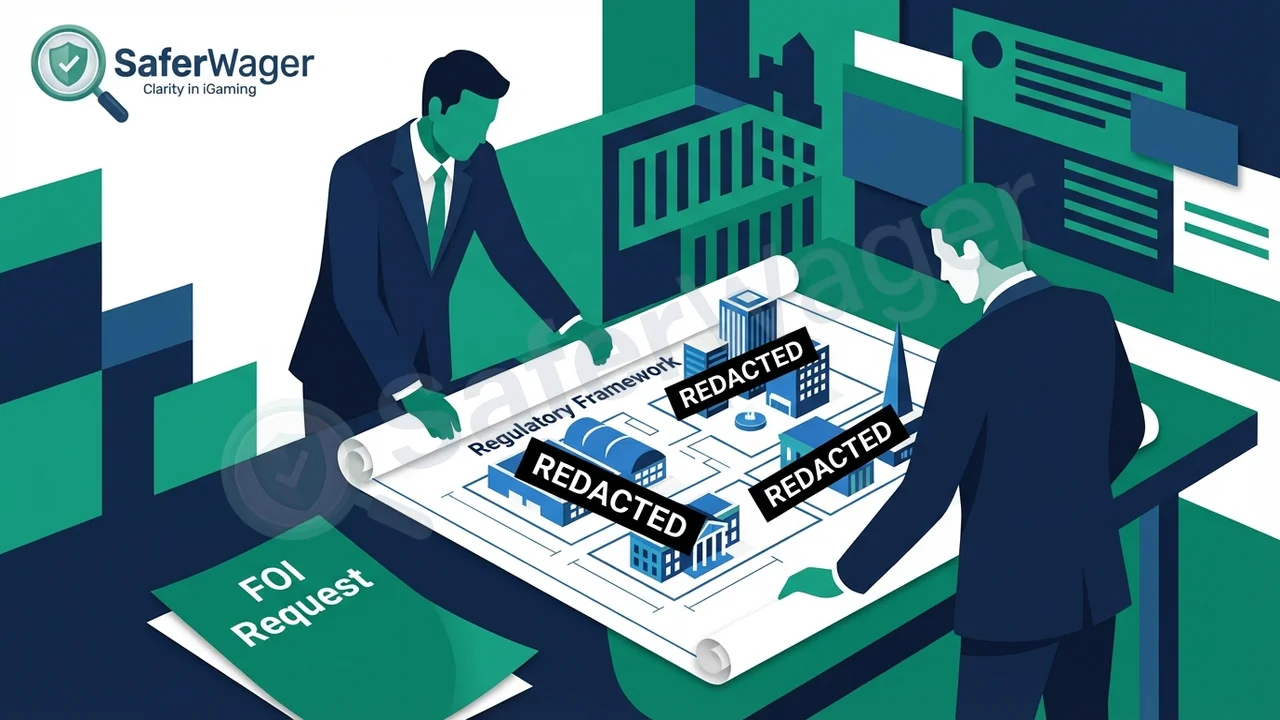
In response, the UKGC provided a "Full disclosure," releasing six PDF documents. While the Commission stated it had disclosed all relevant information, it noted that certain details were redacted. This included:
- Personal Information: Names and contact details of officials below senior level were removed to comply with the Data Protection Act 2018. The UKGC argued there was no legitimate public interest in disclosing this personal data.
- Information Outside Scope: Any parts of the documents not directly related to the request were also redacted.
The release of these documents confirms that discussions occurred but does not reveal the specific content or outcomes of the meetings.
Why This Matters for Consumers
This collaboration is significant because Ireland is in the process of establishing a new, dedicated gambling regulator—the Gambling Regulatory Authority of Ireland (GRAI). Minister Browne is the official responsible for steering this new legislation through the Irish government.
The UKGC is one of the world's most established gambling regulators, and its experiences—both positive and negative—in managing a large, mature market are highly relevant. The meetings suggest that Irish officials are drawing on the UK's regulatory knowledge to inform their own approach.
For consumers in the UK and Ireland, this could have several implications:
- Regulatory Alignment: Ireland may adopt consumer protection measures similar to those in the UK, such as affordability checks, advertising restrictions, or online slot design rules.
- Cross-Border Operations: For gambling operators active in both the UK and Ireland, a more aligned regulatory framework could simplify compliance but may also mean stricter rules in the Irish market, which has been lightly regulated until now.
- Shared Intelligence: A closer relationship between the two regulators could lead to better sharing of information on problem gambling trends, money laundering risks, and non-compliant operators.
The confirmed dialogue between the UKGC and Irish officials highlights a growing trend of international cooperation among gambling regulators. As the industry becomes increasingly global, this sharing of best practices is likely to become more common, ultimately shaping the safety and fairness of the gambling environment for consumers across borders.