
UK Self-Exclusion Breaches Jump 22%
UKGC data reveals over 635,000 known breaches in 2023, as total self-exclusions remain steady at 2.5 million.
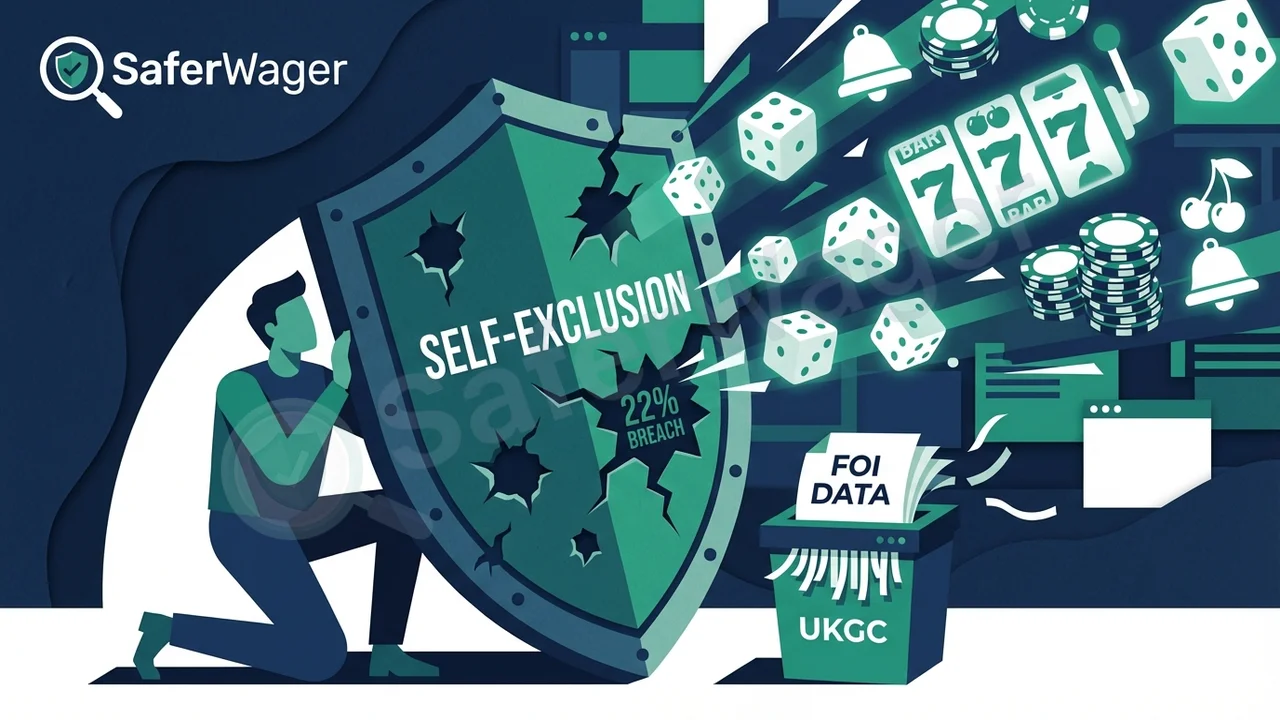
New data from the UK Gambling Commission shows a 22% rise in self-exclusion breaches, with 635,055 known attempts to gamble while excluded in 2023. The figures also highlight that over 2.5 million self-exclusion requests were made, with Flutter-owned brands processing the highest volumes.
Article Content
Breaches of Self-Exclusion Rise Sharply, New Data Shows
London, UK – The number of known attempts by self-excluded individuals to gamble rose by over 22% in 2023, according to new data released by the UK Gambling Commission (UKGC) following a Freedom of Information (FOI) request. The figures show 635,055 known breaches of self-exclusion were recorded in 2023, a significant increase from the 519,500 incidents reported in 2022.
Self-exclusion is a primary tool for consumers seeking to control their gambling. It allows individuals to request that an operator block them from using their services for a set period, typically between six months and five years. The sharp rise in breaches raises questions about the effectiveness of operator controls and the challenges faced by individuals attempting to cease gambling.
The UKGC noted that these figures represent the number of incidents, not unique individuals. A single person attempting to gamble on ten separate occasions would be counted as ten breaches.
Over 2.5 Million Annual Self-Exclusion Requests
The data, disclosed on 21 June 2024, also provides a comprehensive look at the scale of self-exclusion across the UK-licenced market.
Key findings include:
- Total Self-Exclusions: 2,549,445 self-exclusion applications were made in 2023, a slight decrease from 2,594,031 in 2022.
- Unique Individuals: The UKGC was unable to provide the number of distinct people these applications represent, stating that an individual could self-exclude from multiple operators. This highlights a data gap in understanding the true prevalence of players seeking help.
- Returning to Gambling: In 2023, 332,767 individuals chose to return to gambling after their exclusion period ended, down from 368,720 in 2022. The UKGC stated this data point has now been removed from its regulatory returns, meaning it will not be available in future disclosures.
Top Operators for Self-Exclusions in 2023
The FOI response identified the ten operators that processed the most self-exclusions in 2023. The list is dominated by major industry players, reflecting their large market share.
The top five organisations were:
- PPB Entertainment Limited (Part of Flutter, operates Paddy Power): 256,694
- Gamesys Operations Limited (Part of Bally's Corporation): 191,789
- Broadway Gaming Ireland DF Limited: 177,630
- Bonne Terre Limited (Betway Group): 164,013
- PPB GE Limited (Part of Flutter): 138,292
Other operators in the top ten include WHG (International) Limited (William Hill), Betfair Casino Limited (Flutter), and Stars Interactive Limited (PokerStars, also Flutter). The concentration of exclusions among a few parent companies underscores their critical role in upholding player protection standards.
What This Means for Consumers
The data provides a stark reminder of the vast number of players actively trying to stop or control their gambling. While the total number of self-exclusion requests remained high and stable, the 22% increase in known breaches is a significant concern.
This trend suggests that despite regulatory requirements, determined individuals may still find ways to circumvent blocks, or that operators' systems for preventing access are not completely foolproof. For consumers, it reinforces the importance of using multi-operator exclusion schemes like GAMSTOP in addition to individual operator tools.
The Commission's decision to stop collecting data on players returning to gambling post-exclusion also reduces transparency, making it harder to analyse long-term player behaviour and the effectiveness of these cooling-off periods.