
UKGC Data: One Cheating Conviction in 18 Years
FOI request reveals the regulator's specific role in prosecuting cheating offences under the Gambling Act 2005.
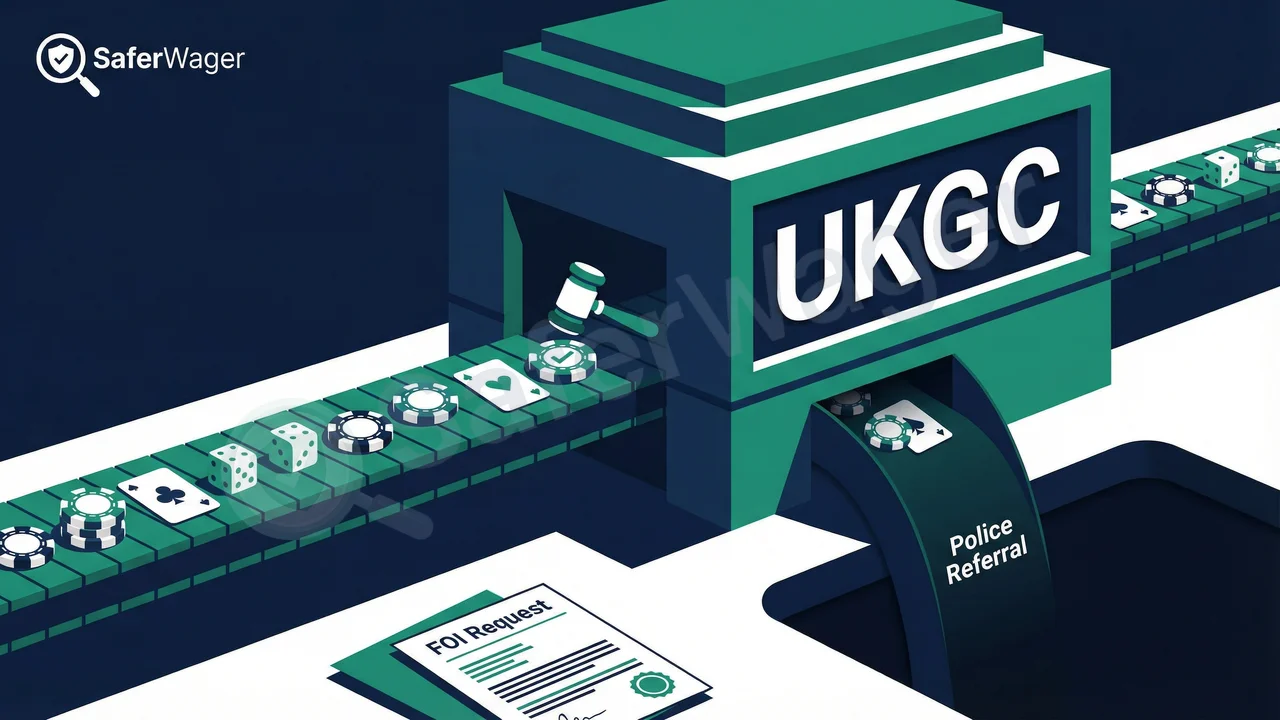
Data from the UKGC shows just one successful prosecution for cheating under the Gambling Act 2005 since it was enacted. The regulator clarifies that most integrity cases involving fraud or bribery are referred to law enforcement, a process it does not track.
Article Content
A Freedom of Information (FOI) request has revealed that the UK Gambling Commission (UKGC) has secured only one successful prosecution for the offence of cheating in the nearly 18-year period since the Gambling Act 2005 was enacted.
The data, released following a request on 30 April 2023, covers the period from 7 April 2005 to 31 March 2023.
What the Data Shows
The FOI request asked for details of all matters charged under Section 42 of the Gambling Act 2005, which pertains to the criminal offence of 'Cheating'.
In its response, the UKGC stated: "The Gambling Commission has had one successful prosecution for the offence of ‘Cheating’ contrary to S42 of the Gambling Act 2005."
The single conviction was that of Chris Mosdall in 2015 for fixing greyhound races. This case was widely reported at the time and represents the sole instance where the Commission has brought a successful prosecution under this specific section of the Act.
Important Context and Limitations
While the figure of a single prosecution may seem low, the UKGC's response provides crucial context for consumers. The regulator explained that its Sports Betting Integrity Unit (SBIU) often receives reports where cheating is linked to other serious criminal offences.
These can include:
- Bribery
- Fraud
- Conspiracy
The Commission clarified that it "does not have the power or authority to investigate such crimes." When these offences are present, the UKGC is obligated to refer the case to the appropriate law enforcement agency, such as the police, either in the UK or abroad.
Once a case is referred, it becomes the responsibility of that law enforcement agency to investigate and potentially prosecute. The Commission stated that it "does not track or keep records of the results of those cases."
What This Means for Consumers
This disclosure highlights the specific and legally defined role of the Gambling Commission in prosecuting criminal activity. It is not the primary body for investigating complex crimes like fraud or bribery, even when they occur in a gambling context.
The data reveals that the low number of Section 42 prosecutions is not necessarily an indicator that cheating goes uninvestigated. Instead, it shows that many potential cheating cases are escalated to other authorities with broader investigative powers.
For consumers, this clarifies the complex regulatory and legal landscape. While the UKGC oversees operator licensing and compliance, serious criminal conduct is handled by the police and other law enforcement bodies. The data also points to a lack of a single, centralised record of all gambling-related cheating prosecutions, as the UKGC does not track the outcomes of cases it refers elsewhere.