
UKGC Reveals White Label AML & Crime Risks
FOI release details regulator's concerns over due diligence, criminal links, and poor oversight in gambling partnerships.
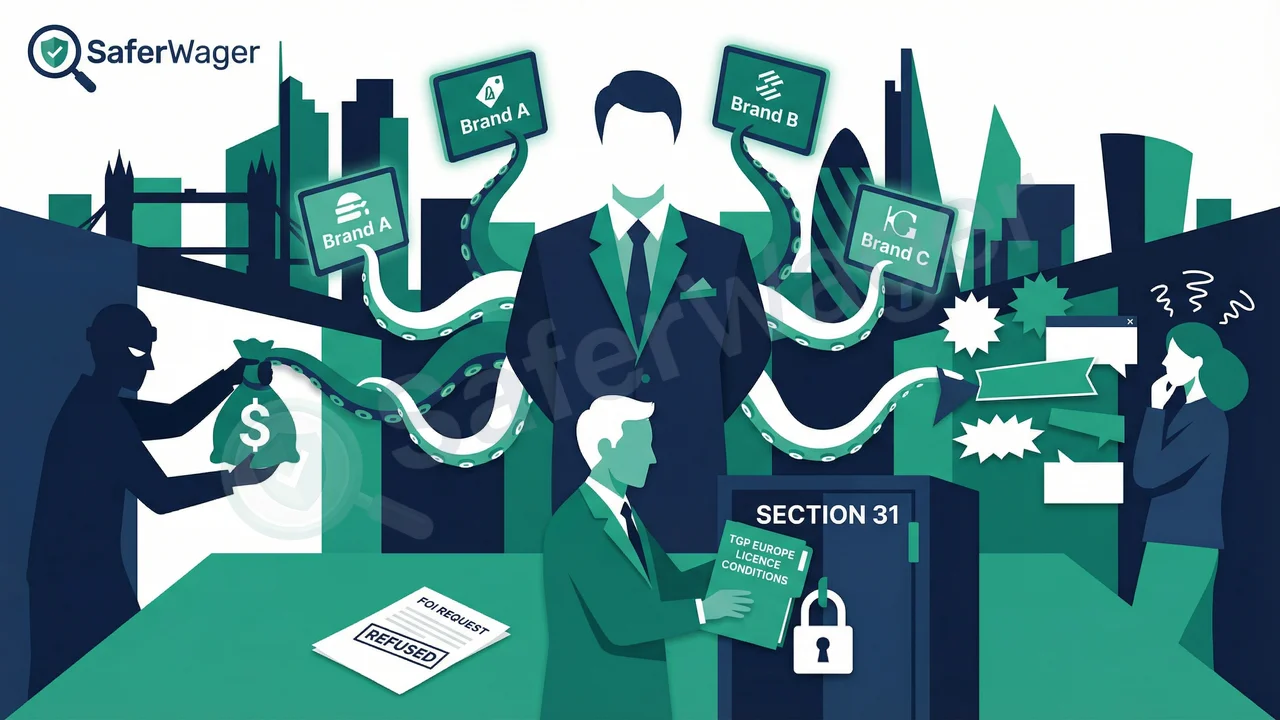
A Freedom of Information request has revealed a UK Gambling Commission briefing paper detailing serious compliance failings in white label gambling operations. The regulator identified issues including insufficient due diligence on partners with criminal links and ineffective anti-money laundering controls.
Article Content
A Freedom of Information (FOI) disclosure has brought to light a UK Gambling Commission (UKGC) briefing paper detailing significant compliance failures within the 'white label' sector of the online gambling industry.
The document, an informal briefing provided to the Department for Culture, Media and Sport (DCMS), was partially released following a request dated 10 July 2023. It reveals the regulator's findings on the risks associated with white label operations, where one company provides its gambling licence and platform to third-party brands.
What are White Label Operations?
For consumers, a white label arrangement means the website they are gambling on is often just a brand, while the underlying gambling activities, licence, and regulatory responsibility are held by a separate company. The UKGC makes it clear that the licence holder is fully responsible for all third-party activities conducted under its licence.
Key Failings Identified by the UKGC
The released document summarises the findings of a 2019 compliance and enforcement investigation into white label arrangements. It revealed that licensed operators were failing to mitigate risks in several key areas:
- Insufficient Due Diligence: The most serious finding was a failure to conduct adequate due diligence on partners, some of whom had links to criminal activity.
- Poor AML Controls: Operators had ineffective anti-money laundering (AML) controls, both for individual partners and across their entire network of brands.
- Lack of Oversight: Licence holders were found to be passing responsibility for customer safety interactions to their partners with a lack of effective oversight and without live access to customer records.
- No Single Customer View: Operators were often unable to monitor a customer's total spend, playing time, or behaviour across all the different white label brands they operated, preventing a holistic view of potential harm.
- Uncontrolled Marketing: A lack of control over marketing and promotions led to customers being exposed to potentially unfair or unclear offers, with some material appearing on copyright-infringing websites.
Regulator's Assessment of Money Laundering Risk
Despite these failings, the briefing paper states the UKGC's view that the risk of 'classic' money laundering through these arrangements is not high. The regulator argues that the structure of typical white label deals does not provide a significant opportunity for the 'integration' stage of money laundering. However, it concedes that "the risk of simple criminal spend is not completely removed."
The Commission asserts that its existing powers, such as issuing fines and revoking licences, are sufficient to address these failings.
Refusal to Disclose TGP Europe Licence Conditions
The same FOI request also asked for the specific new licence conditions applied to TGP Europe following a £316,250 fine in February 2023 for social responsibility and AML failures. The UKGC refused to provide this information, citing Section 31 (Law Enforcement) of the FOIA.
The regulator argued that disclosing the specific conditions would prejudice its ability to carry out its functions and that the public interest was better served by withholding the information. This means that while the public knows TGP Europe was sanctioned, the precise remedial actions it is required to take remain secret.