
Lotto Online Sales Surge, UKGC Data Reveals
FOI request shows a significant shift from retail to digital Lotto ticket purchases between 2015 and 2022.
A Freedom of Information request has revealed a significant shift in how UK consumers buy Lotto tickets, with online sales growing steadily against traditional retail purchases. The data, released by the Gambling Commission, covers a seven-year period but also highlights limitations in the regulator's data collection.
Article Content
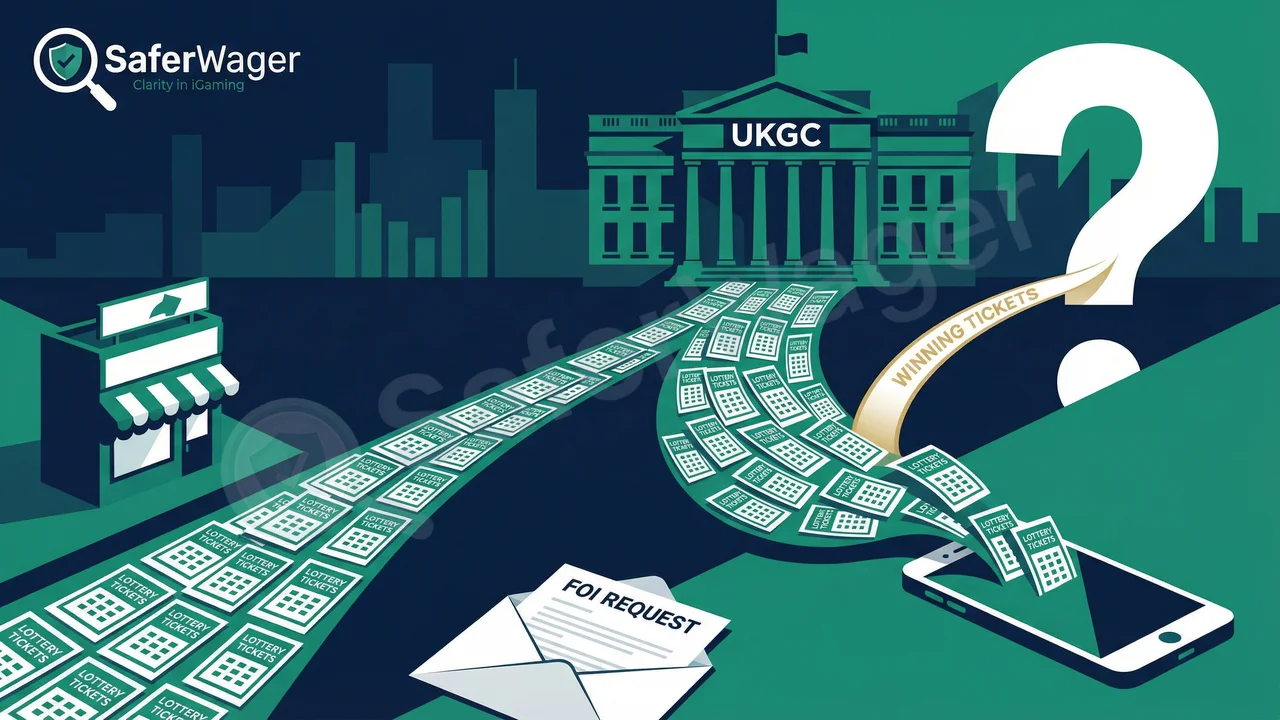
A Freedom of Information (FOI) request has revealed a clear and sustained shift towards online purchasing for National Lottery Lotto tickets, with traditional retail sales declining as a proportion of the total. The data, released by the UK Gambling Commission (UKGC), covers sales from 1 October 2015 to 24 December 2022.
The disclosure provides consumers and industry observers with a factual look at changing player habits over a seven-year period, highlighting the growing importance of digital channels for the National Lottery.
The Shift from Counter to Click
In response to the request dated 22 March 2023, the UKGC provided a spreadsheet detailing the value of Lotto sales, broken down into 'retail' (in-store) and 'non-retail' (online and app) purchases. While specific figures fluctuate, the data demonstrates a consistent trend:
- Growing Digital Share: The proportion of Lotto sales made through non-retail channels has steadily increased year-on-year since 2015.
- Retail Dominance Wanes: While retail remains the largest single channel for Lotto ticket purchases, its overall share of the market has diminished over the seven-year period.
This trend reflects a broader shift in consumer behaviour across many sectors, accelerated by factors such as increased smartphone use and changing habits during the COVID-19 pandemic. For lottery players, the convenience of purchasing tickets online or via an app has become an increasingly popular alternative to buying in a physical shop.
Gaps in Regulatory Data Revealed
The FOI response was a 'partial exemption', as the UKGC could not provide all the information requested. The applicant also asked for a breakdown of whether winning tickets were purchased in-store or online, and whether they were part of a single or multiple ticket purchase.
The Commission stated it does not collect this information. In its response, the regulator explained: "The Commission is responsible for licensing and regulating the National Lottery, ensuring the interests of participants are protected and maximising returns for Good Causes; we do not collect details on the split you have requested."
This highlights a key aspect of the UK's regulatory framework. While the UKGC oversees the lottery operator, it does not necessarily collect every piece of operational data. The Commission noted that this information may be held by the operator (Camelot, during the period in question), but it is not required for the UKGC's direct regulatory functions.
For consumers, this means that while high-level sales trends are available, more granular data—such as whether online or retail purchases are statistically 'luckier'—is not held by the regulator and remains publicly unknown.