
UKGC Details Its Regulatory Enforcement Tools
New data released via Freedom of Information request breaks down 'compliance actions' into specific categories for the first time.
A Freedom of Information request has compelled the UK Gambling Commission to provide a detailed breakdown of its enforcement activities since 2015. The new data separates broad 'compliance assessments' into specific actions like fines, warnings, and licence reviews, offering greater transparency into how the regulator polices the industry.
Article Content
UKGC Releases Breakdown of Enforcement Actions
The UK Gambling Commission (UKGC) has provided a detailed breakdown of its enforcement activities following a Freedom of Information (FOI) request. The data, released on 20 June 2025, categorises the different types of 'compliance actions' the regulator has completed since 2015, offering unprecedented insight into its methods.
Previously, the UKGC published a single figure for 'Compliance Assessments'. This new disclosure, prompted by a public request, separates this broad term into distinct actions, revealing the full range of tools the Commission uses to police the industry.
Why This Data Matters
For consumers, understanding how the regulator enforces its rules is crucial. When an operator fails to meet the standards for social responsibility or anti-money laundering, the UKGC can intervene. This data demystifies that process, showing the frequency of different interventions, from formal warnings to full licence reviews. It provides a clearer picture of how operators are held accountable for protecting players.
A Closer Look at Compliance Actions
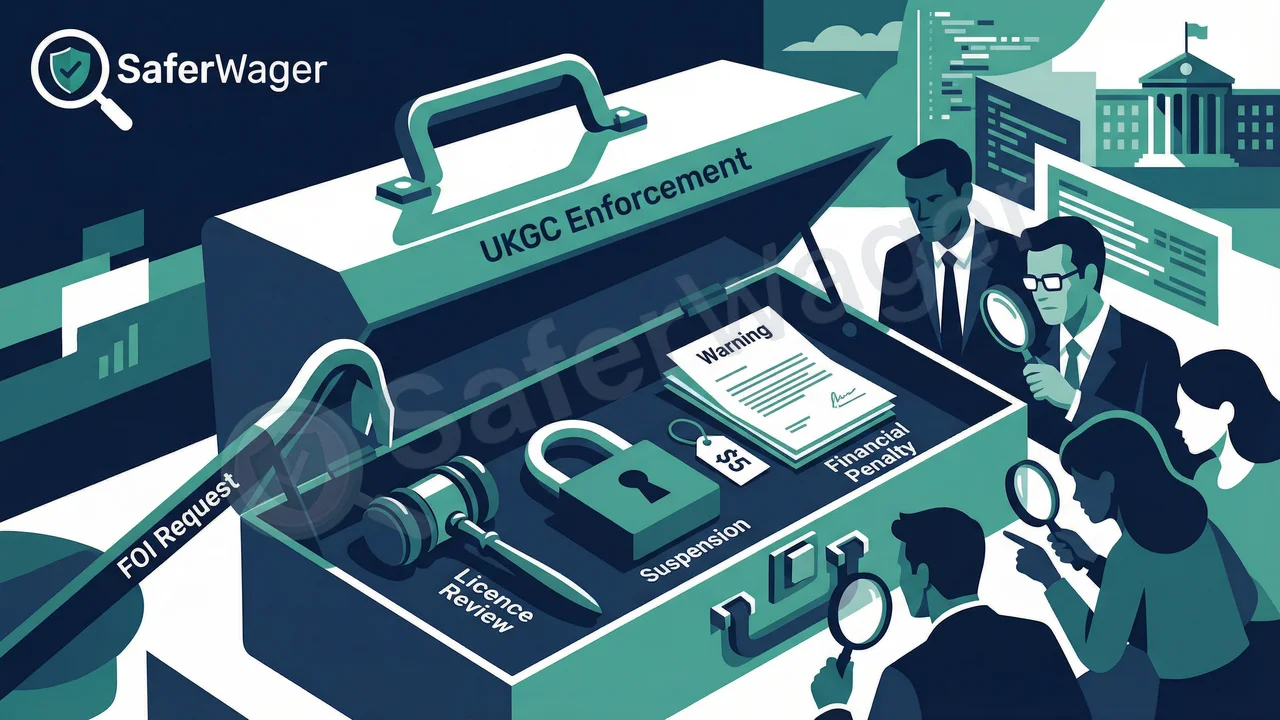
The FOI response included a spreadsheet detailing the various types of compliance activities. While the exact figures are contained within the document, the categories themselves illustrate the regulator's tiered approach to enforcement. These actions likely include:
- Licence Reviews: Formal investigations to determine if an operator remains suitable to hold a UK gambling licence.
- Regulatory Settlements: Agreements where an operator accepts failings and pays a financial penalty, often in lieu of a formal licence review.
- Financial Penalties: Fines issued for serious breaches of licence conditions.
- Warnings: Formal notices issued to operators for less severe compliance failings.
- Licence Suspensions and Revocations: The most severe sanctions, temporarily or permanently removing an operator's right to trade in the UK.
In its response, the Commission noted an important detail regarding data accuracy. The figures for these specific 'compliance actions' will not match the previously published 'compliance assessment' totals. This is because the new data has been refined to avoid double-counting actions against parent companies that hold multiple licences. This provides a more accurate count of enforcement against unique corporate groups.
Significance for the Industry
This release marks a significant step in regulatory transparency. By itemising its enforcement tools, the UKGC has provided a new baseline for analysis. Observers can now track trends over time, such as whether the Commission is favouring regulatory settlements over formal fines or increasing its use of licence reviews.
For consumers and protection groups, this data offers a more granular way to assess the effectiveness of the UK's gambling regulation and scrutinise how the Commission uses its powers to ensure a safer gambling environment.