
UKGC Cites Probe in Cleverly Advice FOI Refusal
Regulator refuses to confirm or deny advice given to the Home Secretary on the election betting scandal, prioritising investigation integrity.
The UK Gambling Commission has refused to confirm or deny whether it advised Home Secretary James Cleverly on the election betting probe. The regulator cited the need to protect the integrity of its ongoing investigation.
Article Content
The UK Gambling Commission (UKGC) has formally refused to confirm or deny whether it advised Home Secretary James Cleverly not to comment on the ongoing investigation into betting irregularities related to the general election date.
In a Freedom of Information (FOI) response published on its website, the regulator stated that disclosing such information could compromise its active investigation. The original request, dated 23 June 2024, sought a copy of the advice Mr Cleverly claimed to have received "explicitly" from the Commission.
The Regulator's Position
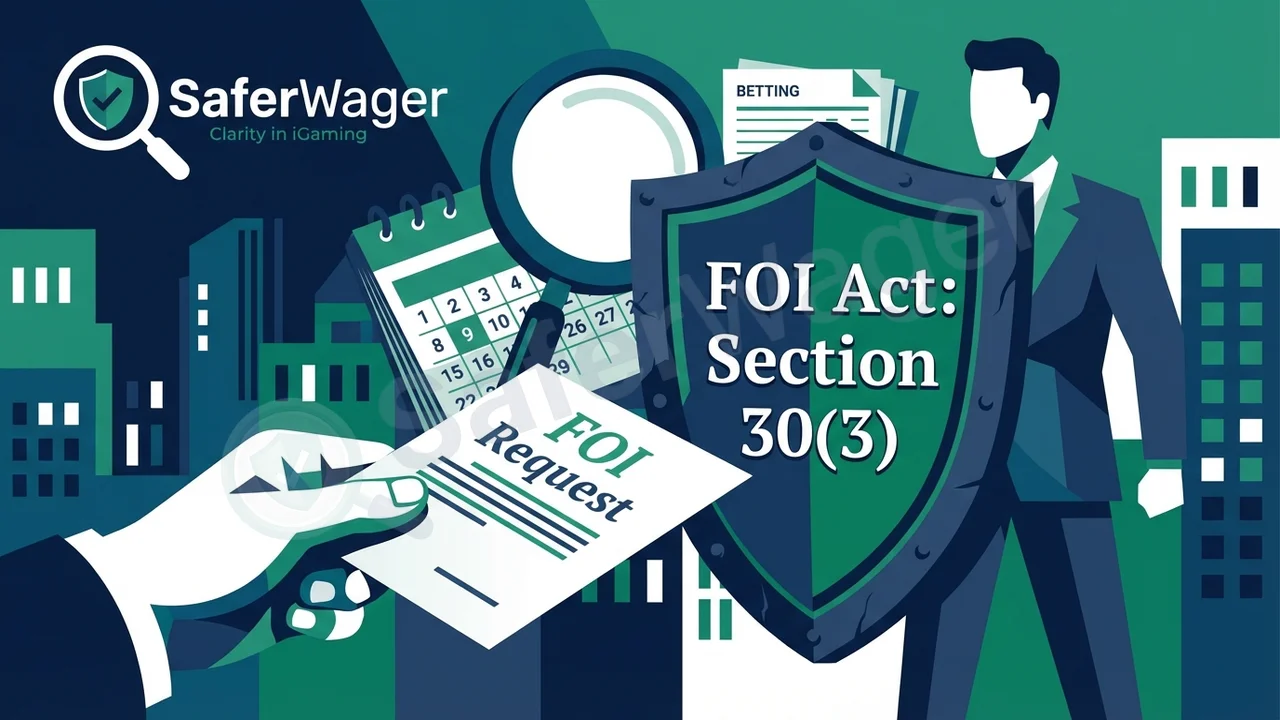
The UKGC invoked Section 30(3) of the Freedom of Information Act 2000, an exemption related to investigations and proceedings. This allows a public authority to neither confirm nor deny holding the requested information if doing so could harm an investigation.
In its response, the Commission explained its reasoning: "Confirming or denying information which makes specific individuals or events identifiable could alert individuals involved to the fact that the Commission was/is or alternatively wasn’t/isn’t engaging in specific conversations; providing an opportunity for individuals to alter their behaviours or evade detection."
This stance is designed to protect the integrity of regulatory work and prevent those under investigation from gaining an advantage that could hinder the process.
The Public Interest Test
As required by law, the UKGC weighed the public interest in disclosing the information against the interest in maintaining the exemption.
Arguments for disclosure included:
- Ensuring the Commission can be held to account.
- Assuring the public that the UKGC is fulfilling its statutory duties.
- Demonstrating transparency in its investigatory activities.
Arguments for maintaining the exemption included:
- Protecting the integrity of robust investigation procedures.
- Preventing individuals from altering behaviour or evading detection.
- Maintaining the confidence of stakeholders who share sensitive information.
- Avoiding prejudice to the outcome of current or future regulatory work.
Ultimately, the Commission concluded that the public interest was "better served through maintaining the exemption."
Significance for Consumers
While the refusal leaves the Home Secretary's public claim unverified by the regulator, it underscores the seriousness with which the UKGC is treating the case. By prioritising the secrecy of its operational methods over short-term transparency, the Commission signals its intent to conduct a thorough and unimpeded investigation.
Crucially, the UKGC did provide one new piece of information within its response, stating: "Whilst we are able to confirm that currently the Commission is investigating the possibility of offences concerning the date of the election. This is an ongoing investigation, and the Commission cannot provide any further details at this time."
For consumers, this response demonstrates the legal framework the UKGC operates within to protect its core function: ensuring gambling is fair, open, and free from crime. The decision highlights the delicate balance between public accountability and the practical need for confidentiality during a live and high-profile regulatory probe.