
UKGC: 1 in 8 Complaints Relate to ID Demands
Data shows over 1,700 complaints filed in two years over post-win verification checks, a major source of withdrawal disputes.
New data from the UK Gambling Commission reveals that onerous ID checks after a withdrawal attempt account for over 12% of all consumer complaints. The figures, released via a Freedom of Information request, show this issue makes up over a third of all withdrawal-related disputes.
Article Content
Over a Third of Withdrawal Disputes Concern ID Checks
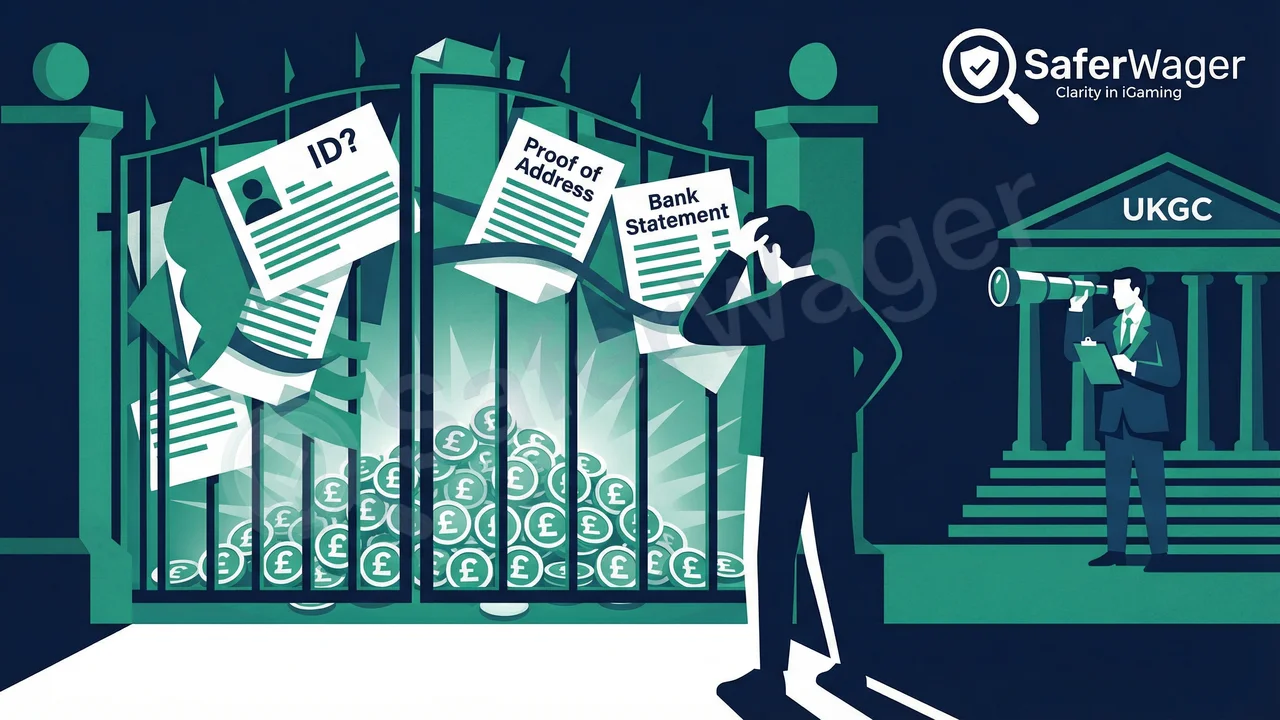
New data obtained from the Gambling Commission (UKGC) reveals that onerous identity verification demands made after a customer requests a withdrawal are a significant source of consumer complaints. A Freedom of Information (FOI) disclosure shows that this single issue accounted for more than one in every eight complaints lodged with the regulator in 2023 and 2024.
These figures highlight a common point of friction for players. While operators must perform Know Your Customer (KYC) and age verification checks, UKGC rules state these should be completed as early as possible. When extensive ID demands are made only after a player has won and tries to cash out, it can lead to perceptions that the operator is deliberately delaying payment.
The Data Breakdown
The information, which the UKGC only released in full after an internal review was requested, provides a clear picture of the problem's scale. Over the 2023-2024 period, the Commission received a total of 1,732 complaints specifically about onerous ID demands following a withdrawal request.
When analysed, the data shows:
- Total Complaints (All Issues): 6,940 in 2023 and 6,907 in 2024.
- ID Demands After Withdrawal Complaints: 895 in 2023 and 837 in 2024.
- Proportion: These specific complaints made up 12.9% of all complaints in 2023 and 12.1% in 2024.
Crucially, when compared only to complaints about withdrawals, the issue is even more pronounced. Of the 2,405 withdrawal-related complaints in 2023, those concerning ID checks accounted for 37.2%. In 2024, that figure rose to 42.2% (837 of 1,985 withdrawal complaints).
Regulator's Stance and Lack of Specific Sanctions
The FOI request also asked the UKGC to detail any fines or sanctions issued to bookmakers for this specific practice. The Commission declined to provide a direct list, stating that such information is exempt under the FOIA as it is reasonably accessible elsewhere via its published public statements and regulatory actions.
In its response, the UKGC reiterated its role as an industry regulator, not a consumer ombudsman. It clarified that it does not act on individual complaints but uses the information provided by consumers to identify trends and inform its regulatory work.
"Where consumers share information with us that indicates a breach of our rules, that information will inform any regulatory action that we decide to take," the Commission stated. It confirmed that data from the 1,732 complaints helps build cases against operators but does not result in direct action on each individual report. This means that while the data demonstrates a widespread consumer issue, there is no public record linking specific enforcement actions directly to this practice without manually searching all published sanctions.