
UKGC: No Policy on Device-Aided Cheating
FOI reveals regulator holds no guidance on card counting or use of electronic devices by players in casinos.
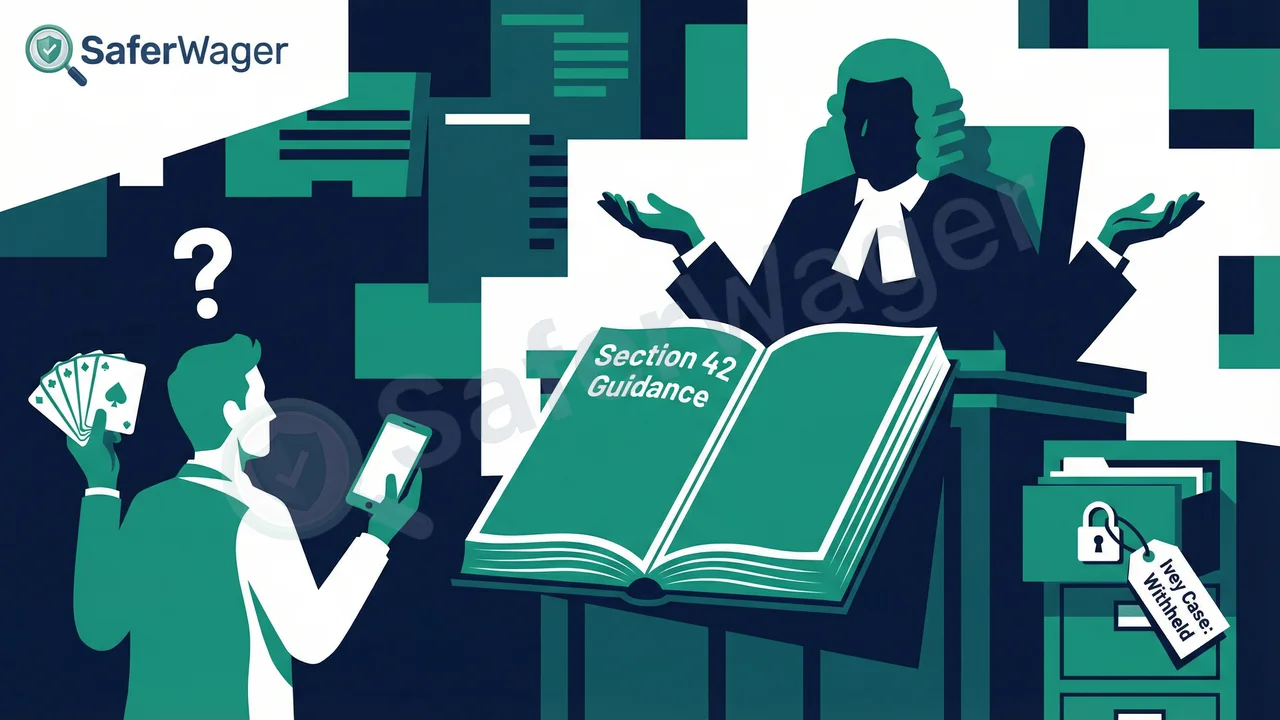
A Freedom of Information request has revealed the UK Gambling Commission holds no specific policies or guidance on cheating with electronic devices or card counting. The regulator also withheld internal documents related to the landmark Phil Ivey cheating case, citing potential harm to its investigations.
Article Content
Regulator Holds No Formal Guidance on Key Cheating Questions
A Freedom of Information (FOI) disclosure has revealed that the UK Gambling Commission (UKGC) holds no specific policies, guidance, or reports on what constitutes cheating through card counting or the use of electronic devices in casinos. The response, dated 4 November 2025, leaves players and operators to navigate a significant grey area in gambling regulation.
The request sought internal documents from the regulator on several key aspects of Section 42 of the Gambling Act 2005, which makes it a criminal offence to cheat at gambling.
What the Data Reveals
The FOI request asked for information on three main topics:
- The UKGC's interpretation of cheating, particularly regarding electronic devices used by players in casinos.
- The regulatory position on card counting, whether done mentally or with a device.
- Any advice provided to casinos about player-owned devices like smartphones or wearables at gaming tables.
In a striking admission, the Commission's response to all three points was: "The Gambling Commission does not hold any information falling within the scope of your request."
Instead of a formal policy, the UKGC stated that its view on any individual case "will be based on the specific facts of the case at the time rather than the Commission having a policy position." This case-by-case approach means there is no single, publicly available document from the regulator that defines the line between legitimate advantage play and a criminal offence in these common scenarios.
Ivey Case Documents Withheld
The request also asked for recorded material referencing the landmark Ivey v Genting Casinos (2017) case, which centred on the definition of cheating. The UKGC confirmed it holds information on this topic but is withholding it from the public.
The Commission cited Section 30(1)(a) of the FOIA, an exemption that protects information held for the purpose of investigating potential criminal offences. The UKGC argued that disclosing its internal interpretations of the case law "would prejudice the statutory functions of the Commission" and could "hinder our ability to conduct investigations or enable those we may investigate to avoid detection."
Significance for Consumers
The lack of clear, published guidance from the UKGC on device use and card counting creates uncertainty for consumers. Without a regulatory benchmark, players are primarily subject to the individual terms and conditions of each casino, which can vary significantly.
While an operator can ban a player for what it deems to be advantage play, the threshold for when such activity becomes a criminal offence under the Gambling Act remains undefined by any formal UKGC policy. This ambiguity means players may not be fully aware of where the legal line is drawn.
The Commission did clarify its position on 'courtsiding'—transmitting live data from a sports event to gain a betting advantage. It stated that courtsiding in itself is not considered an offence of cheating under Section 42, though it may breach an event's entry terms and conditions.