
UKGC: No Data on Winning Lottery Ticket Locations
FOI request on a £63.8m unclaimed prize reveals the regulator does not hold specific ticket purchase details, clarifying its regulatory scope.
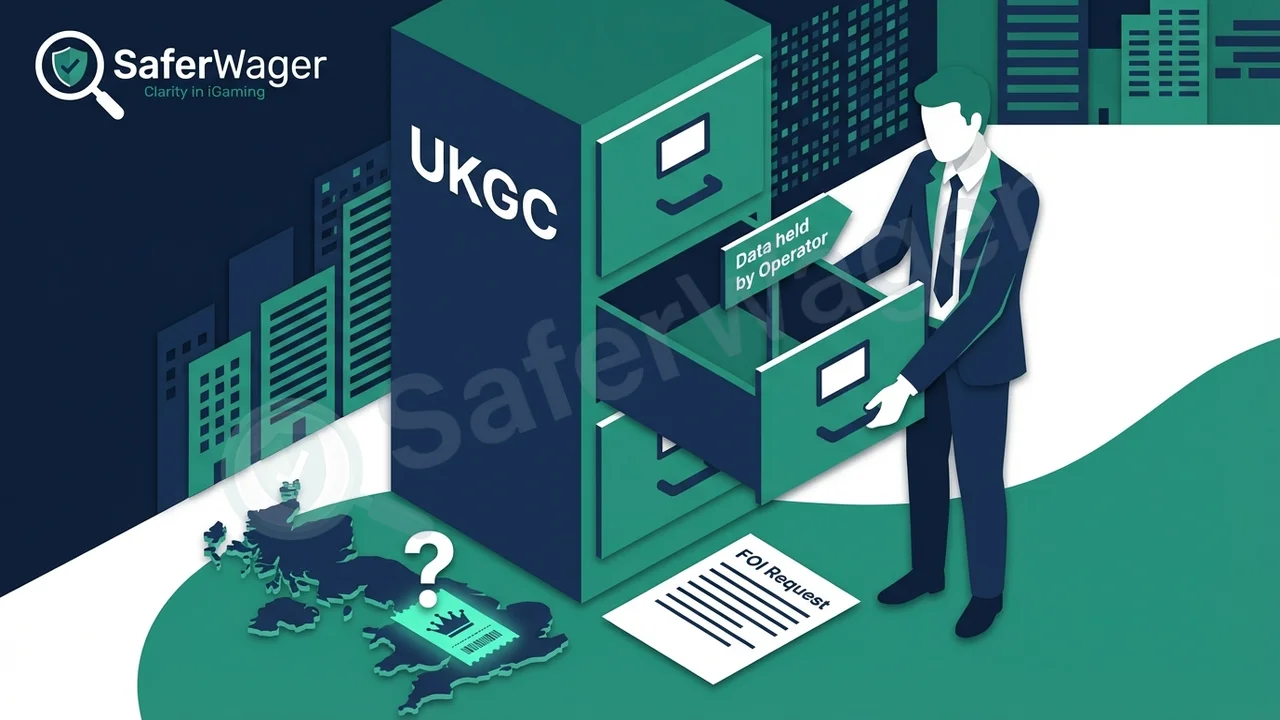
A Freedom of Information request has confirmed the UK Gambling Commission does not hold data on the specific locations where winning National Lottery tickets are purchased. The disclosure, relating to a £63.8 million unclaimed prize, clarifies the division of responsibility between the regulator and the lottery operator.
Article Content
A Freedom of Information (FOI) request has revealed that the UK Gambling Commission (UKGC) does not hold specific data on where winning National Lottery tickets are purchased. The disclosure clarifies the division of data responsibilities between the regulator and the lottery operator, a key piece of information for consumers seeking transparency.
On 12 February 2024, a request was made to the UKGC for details surrounding the UK's largest unclaimed EuroMillions prize. The ticket, worth £63.8 million, was purchased in the Stevenage or Hitchin area on 8 June 2012. The request sought the specific retail premises, postcode, and time of purchase.
Regulator Confirms Information Not Held
In its official response, the Gambling Commission stated that it does not hold the requested information. The regulator explained its position, noting: "The Commission does not hold information on the locations of where winning lottery tickets are purchased... it is not information we are required to collect in support of our regulatory functions."
This response highlights the specific remit of the UKGC in relation to the National Lottery. The Commission's primary responsibilities are to ensure the lottery is run fairly, to protect the interests of players, and to maximise the returns generated for Good Causes. The collection of granular sales data, such as the location of an individual ticket purchase, falls outside of these core regulatory duties.
The UKGC confirmed that such operational data would have been held by Camelot, which was the licensed operator of the National Lottery at the time of the ticket purchase in 2012.
Significance for Consumers and Industry
This FOI disclosure is significant as it clarifies the boundaries of the UKGC's role and the type of information consumers can expect it to provide. While the Commission oversees the licensee, it does not manage the day-to-day operational database of ticket sales.
For consumers, this means that inquiries regarding the specific operational history of lottery games, such as ticket purchase locations or times, should be directed to the current lottery operator, Allwyn. The regulator's focus remains on the broader framework of licensing, compliance, and player protection.
The case demonstrates the principle of data separation between a regulator and its licensee. The UKGC's confirmation that it does not hold this data underscores that its oversight does not extend to collecting all operational information, but rather the information necessary to ensure the operator is meeting its licence conditions.