
UKGC Holds No Data on IBAS Funding
FOI request reveals regulator has no oversight of the financial relationship between operators and a key dispute resolution body.
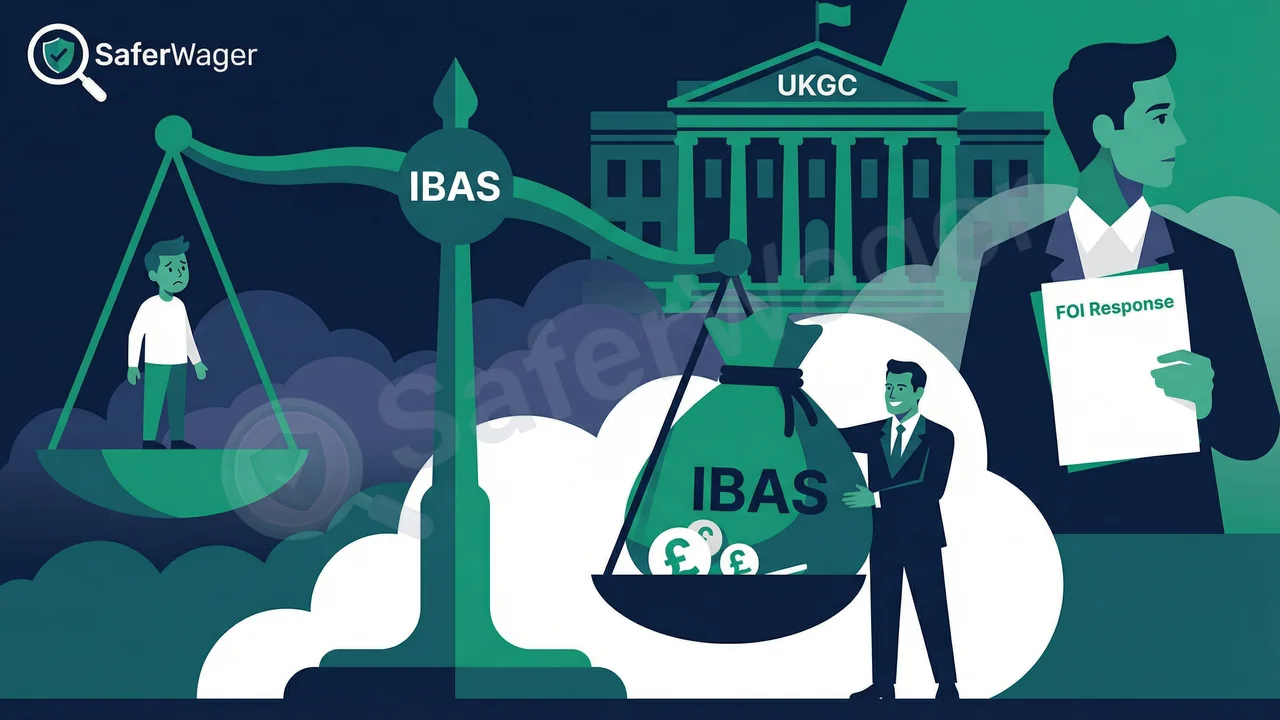
A Freedom of Information request has revealed the UK Gambling Commission holds no data on the funding of the Independent Betting Adjudication Service (IBAS). The regulator confirmed that while operators must use an approved ADR, the financial arrangements are private, raising questions about transparency in the dispute resolution process.
Article Content
A Freedom of Information (FOI) request has revealed that the UK Gambling Commission (UKGC) holds no information regarding the funding of the Independent Betting Adjudication Service (IBAS), one of the country's primary Alternative Dispute Resolution (ADR) providers.
The disclosure highlights a significant gap in regulatory oversight, as the financial arrangements between gambling operators and the bodies that adjudicate their customer disputes remain private.
The FOI Request and Response
On 25 January 2023, a request was submitted to the UKGC asking for details on how much funding IBAS receives and how that money is spent.
In its official response, the Commission stated it holds no information falling within the scope of the request. The UKGC explained the funding model for all approved ADRs:
"All ombudsmen and complaint handling services are funded by the industries or companies whose complaints they look into. IBAS is funded by subscriptions from the companies found in their directory of registered operators. The fees are paid in advance and cover the cost of providing their service for any disputes that arise in the year ahead."
Because the funding is a direct commercial arrangement between operators and IBAS, the UKGC is not party to it and therefore does not collect data on the amounts involved.
Why This Matters for Consumers
Under the UKGC's Licence Conditions and Codes of Practice (LCCP), all licensed gambling operators must offer their customers access to an approved ADR service free of charge. These services, including IBAS, provide an impartial adjudicator to resolve disputes that cannot be settled directly with the operator.
For consumers, the integrity and impartiality of an ADR are paramount. The funding model, where an ADR is paid by the very companies it may rule against, can create a perception of a potential conflict of interest. Without transparency regarding the scale and nature of these financial subscriptions, it is difficult for consumers to fully assess the independence of the dispute resolution process.
Significance and Industry Implications
The UKGC's response confirms that while it approves organisations to act as ADR providers, its oversight does not extend to their financial operations or the specifics of their funding from the industry. This lack of data means there is no central, public record of how much money flows from operators to the bodies responsible for judging disputes.
This transparency gap raises important questions for the industry:
- Consumer Confidence: How can consumers be fully confident in the impartiality of a system when its financial underpinnings are not public?
- Regulatory Scope: Should the UKGC's remit be expanded to include oversight of the financial arrangements of the ADRs it approves to ensure they remain robust and independent?
While there is no suggestion of wrongdoing, the absence of publicly available data on ADR funding is a point of concern for consumer protection. The disclosure underscores a need for greater transparency to maintain trust in the UK's gambling dispute resolution framework.