
Over 5,800 New Land-Based Self-Exclusions in Q2 2023
UKGC data reveals the scale of self-exclusion across betting shops, casinos, arcades, and bingo halls.
A Freedom of Information request has revealed that over 5,800 new self-exclusions were processed by land-based gambling schemes in a single three-month period in 2023. The data from the UK Gambling Commission highlights the number of consumers seeking to block themselves from betting shops, casinos, and arcades.
Article Content
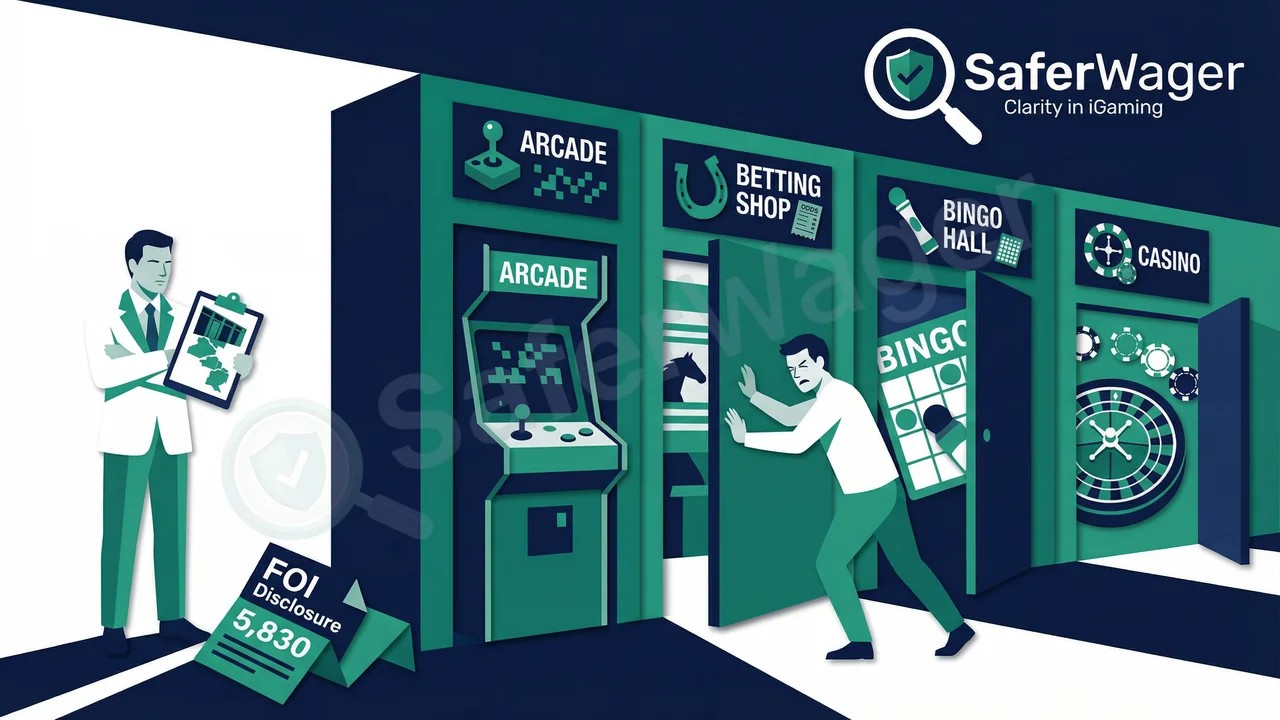
A Freedom of Information (FOI) disclosure from the UK Gambling Commission (UKGC) has revealed that 5,830 new self-exclusions were registered across the UK’s main land-based gambling schemes in a single three-month period.
The data, released following a request on 11 January 2024, covers the second quarter of 2023 (1 April to 30 June) and provides a valuable snapshot of the number of consumers actively seeking to stop themselves from gambling in physical venues.
What is Self-Exclusion?
Self-exclusion is a critical consumer protection tool for individuals who feel their gambling has become harmful. It allows a person to make a formal request to a gambling operator to be refused service for a set period, typically between six months and five years.
While individuals can exclude from a single venue, multi-operator schemes allow consumers to block themselves from all venues of a certain type in their area with a single request. This data pertains to these larger, multi-operator schemes, which offer a more comprehensive safety net than single-venue exclusions.
It is important to note that the figures represent the number of new self-exclusions added during the reporting period, not the total cumulative number of people currently excluded.
Breakdown of the Data
The UKGC provided figures for the four main land-based multi-operator schemes. The number of new self-exclusions registered between 1 April and 30 June 2023 were as follows:
- Arcades (BACTA and IHL): 1,881
- Betting Shops (MOSES): 1,751
- Bingo Halls (The Bingo Association): 1,185
- Casinos (SENSE): 1,013
Total new self-exclusions: 5,830
Arcades saw the highest number of new exclusions during this period, closely followed by betting shops. Casinos and bingo halls also saw over 1,000 new individuals join their respective schemes.
What This Reveals About UK Gambling
This data highlights that thousands of consumers are utilising self-exclusion tools every quarter to manage and control their gambling habits. The numbers demonstrate a significant demand for these protective measures across all sectors of the land-based industry.
However, the FOI response also underscores a key difference between online and land-based regulation. The UKGC was unable to provide a single, total figure for all self-excluded individuals in the UK. This is because, unlike the online sector which has the single national scheme GAMSTOP, the land-based system is fragmented across these different providers.
The Commission also noted that this data is provided by the schemes on a voluntary basis and it has no statutory power to compel its submission. This means the figures, while insightful, may not represent the complete picture of every self-exclusion in the country, which also includes unrecorded single-operator arrangements.