
Gambling Licence Bids Fail to Reach Pre-Pandemic Highs
FOI data from the UK Gambling Commission reveals a significant drop in new operator and personal licence applications since 2020, with numbers yet to recover.
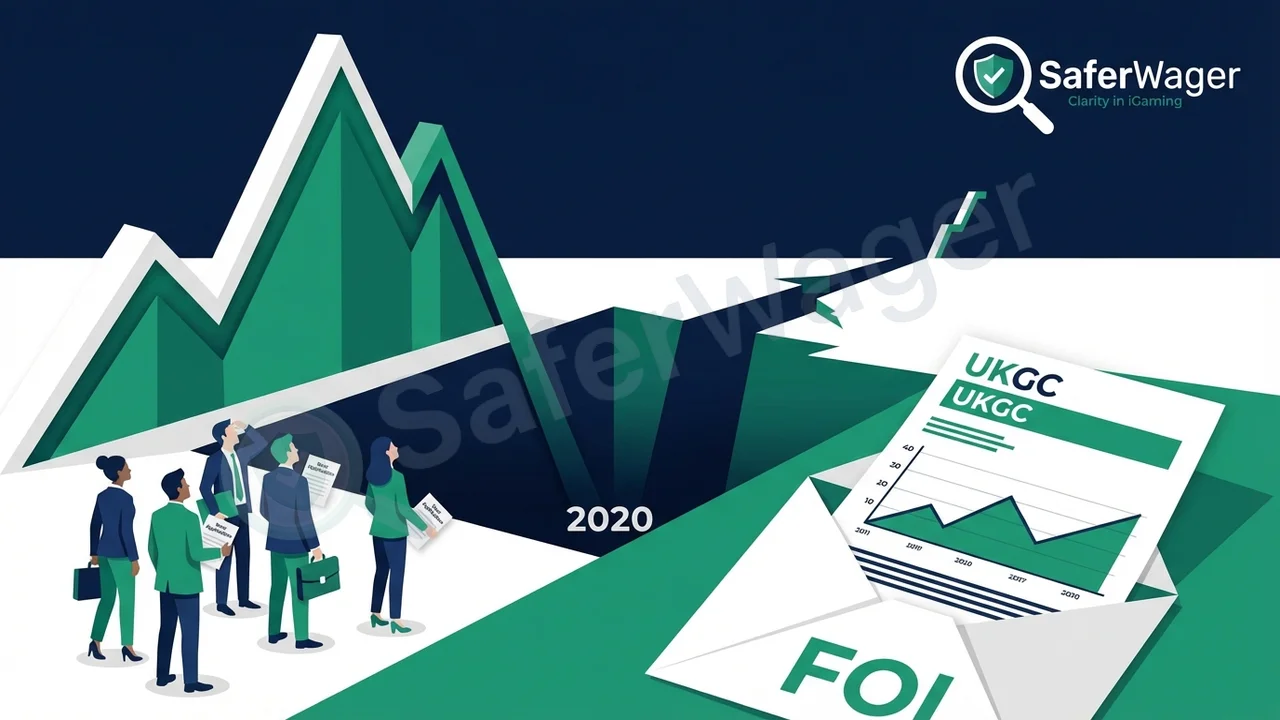
New UKGC data reveals gambling licence applications have not recovered to pre-pandemic levels, indicating a potential market contraction. The figures, from a Freedom of Information request, also show no evidence of a pre-Christmas surge in new operator bids.
Article Content
New data released by the UK Gambling Commission (UKGC) shows that the number of applications for gambling licences has not returned to pre-pandemic levels, suggesting a lasting impact on industry growth and new market entrants.
The figures, disclosed following a Freedom of Information (FOI) request, detail new applications for both company-level Operating Licences and individual Personal Licences between 2013 and 2022.
For consumers, these numbers provide a valuable insight into the health and direction of the UK gambling market. A lower number of new applications can indicate market consolidation, higher barriers to entry, or reduced confidence from potential new operators.
A Post-Pandemic Contraction
The data reveals a sharp decline in licence applications coinciding with the start of the COVID-19 pandemic. In 2019, the UKGC processed a total of 2,679 new applications across the sampled months. This figure plummeted by over 50% to just 1,324 in 2020.
April 2020, at the height of the first UK lockdown, saw the lowest point in the entire ten-year period, with only 34 total applications received.
While numbers have since recovered to 1,562 in 2021 and 2,086 in 2022, they remain significantly below the typical pre-2020 average of over 2,600 applications per year.
Key Findings from the Data
- Sustained Drop: The total number of new applications in 2022 was still 22% lower than in 2019.
- No Christmas Surge: The original request sought to analyse a potential pre-Christmas increase in gambling activity. However, the licence data does not support this. In most years, December saw fewer new applications than October or November.
- The 2014 Anomaly: A massive spike occurred in September 2014, with 839 applications—more than triple the average. This coincides with the implementation of the Gambling (Licensing and Advertising) Act 2014, which required many offshore operators serving UK customers to obtain a UKGC licence for the first time.
What the Data Doesn't Show
It is important to note what this data represents. These figures reflect applications from businesses and individuals seeking to offer gambling services, not the number of people actively gambling.
In its response, the UKGC confirmed that it does not hold monthly participation data on the number of consumers gambling. Therefore, while these licence figures are a strong indicator of industry supply and operator confidence, they cannot be used to measure consumer demand or gambling rates directly.