
Consultancy Outpaces Operators in UKGC FOI Requests
FOI data shows strategic consultancy Regulus Partners submitted 23 requests to the regulator in three years, compared to just one from operators.
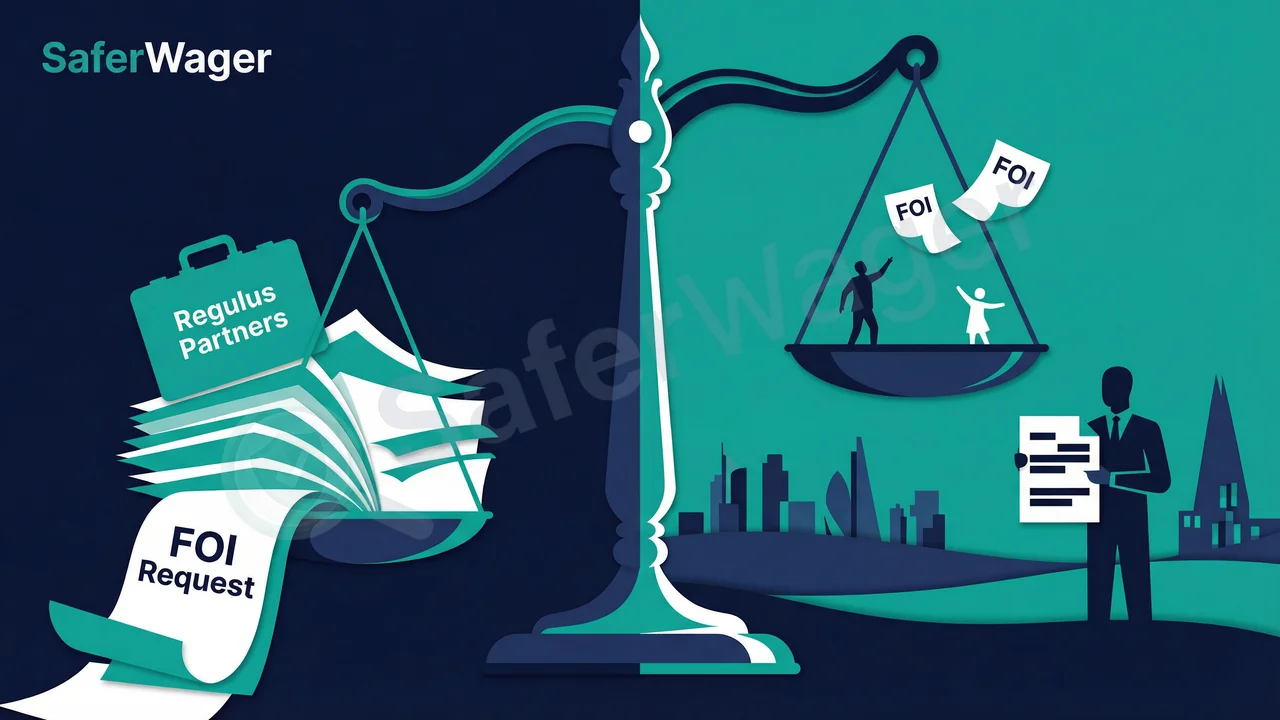
A Freedom of Information disclosure reveals that strategic consultancy Regulus Partners made 23 requests to the UK Gambling Commission in three years. This figure far exceeds the single requests recorded from both industry operators and the Gamblers Consumers Forum, highlighting who is most actively scrutinising the regulator.
Article Content
A Freedom of Information (FOI) disclosure from the UK Gambling Commission (UKGC) has revealed a significant disparity in who is formally requesting information from the regulator. Data released on 30 April 2024 shows that gambling industry strategic consultancy Regulus Partners has been a far more active user of the FOI Act than gambling operators themselves or a named consumer group.
Over the last three years, the UKGC recorded 23 separate FOI requests from Regulus Partners. In stark contrast, it recorded just one request from an industry operator and one from the Gamblers Consumers Forum during the same period.
Why This Data Matters
Freedom of Information requests are a key tool for journalists, researchers, and the public to obtain information held by public authorities like the Gambling Commission. The data provides insight into which organisations are actively scrutinising the regulator's activities, data, and decision-making processes. For consumers, it highlights the different levels of engagement between industry stakeholders and consumer advocates in formally probing the UK's gambling watchdog.
Regulus Partners is a strategic consultancy that advises many leading companies within the gambling sector. Their high volume of requests suggests a concerted effort to gather intelligence and data from the Commission, likely to inform their analysis and the advice they provide to industry clients.
Breakdown of the Findings
The FOI response provided the following key statistics for requests received by the UKGC over the past three years:
- Regulus Partners: 23 requests
- Industry Operators: 1 request
- Gamblers Consumers Forum: 1 request
The Commission noted that its process for handling requests is 'applicant blind', meaning it does not consider who is asking for the information. It also cautioned that since a requester's name may not always reveal the organisation they represent, the figures may not be a "true reflection" of the total number of requests from these groups.
Limits to Transparency
While the UKGC provided the quantity of requests, it refused to release the specific details of what was asked by each organisation. The regulator cited section 40(2) of the FOIA, which protects personal data. It argued that disclosing the details of the requests could lead to the identification of the individual requesters, which would breach data protection principles.
The original request also asked for information about a fourth, redacted party. In this instance, the Commission issued a "neither confirm nor deny" response under section 40(5) of the FOIA. This means the UKGC would not even acknowledge whether it held any information related to this party, as doing so would in itself constitute a disclosure of personal data.
These exemptions highlight the legal boundaries of transparency, where the public's right to know is balanced against an individual's right to privacy.