
Crypto Gambling Complaints Soar
UKGC data shows a sharp rise in consumer complaints related to cryptocurrency gambling sites since 2017.
Data from a Freedom of Information request reveals a significant increase in complaints to the UKGC about crypto gambling sites. While the Commission provided annual figures, it withheld details on specific actions, citing law enforcement exemptions to protect its investigative processes.
Article Content
Sharp Rise in Crypto Gambling Complaints Revealed in UKGC Data
New figures obtained from the Gambling Commission (UKGC) through a Freedom of Information (FOI) request show a significant and sustained increase in complaints from UK residents regarding crypto gambling websites.
The data, released on 3 July 2023, highlights a growing area of risk for consumers, as many of these sites operate outside the protection of a UKGC licence.
What the Data Shows
The request asked for the number of complaints submitted to the Commission concerning crypto gambling sites since 2017. The response provided annual totals, revealing a clear upward trend that correlates with the rising popularity of cryptocurrencies.
According to the data provided:
- Complaints have surged dramatically over the last six years.
- The number of complaints peaked during the 2021 cryptocurrency bull market, indicating a link between market activity and consumer issues.
- While numbers have slightly decreased since the 2021 peak, they remain substantially higher than in previous years, showing this is a persistent issue.
This trend is a major concern for consumer safety. Gambling with an operator that does not hold a UKGC licence means players are not protected by the Commission's rules. These protections include requirements for fairness, security of funds, and access to official alternative dispute resolution (ADR) services.
UKGC Withholds Enforcement Details
While the Commission provided the top-line complaint figures, it declined to release more specific information. The FOI request also asked for a summary of the nature of the complaints and what action the UKGC took as a result.
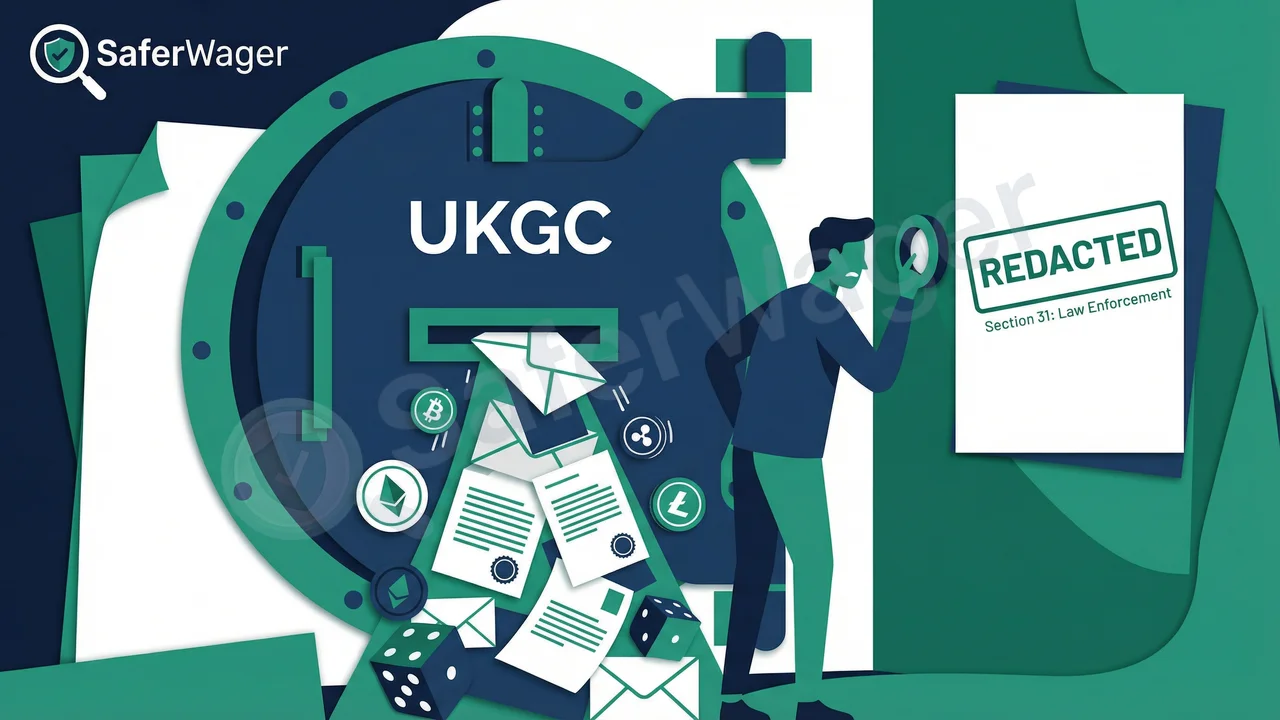
The Commission withheld this information, citing a partial exemption under Section 31(1)g of the Freedom of Information Act, which relates to 'law enforcement'.
In its response, the UKGC explained that disclosing details about its assessment techniques and specific actions against operators could prejudice its ability to regulate the industry effectively. It argued that revealing such information could allow non-compliant operators to alter their behaviour to avoid detection, ultimately undermining the Commission's ability to protect consumers.
The Regulator's Role
The UKGC also used the response to clarify its function. It stressed that it is an industry regulator, not a consumer ombudsman, and does not get involved in resolving individual complaints. Instead, it uses information from consumers to build a picture of an operator's conduct and to inform its regulatory and enforcement priorities.
This data on crypto gambling complaints will likely be used to shape the Commission's strategy for tackling illegal and unlicensed online gambling, a key objective in its mission to make gambling in Great Britain fairer and safer.