
Aspers Sole Operator to Get Pandemic Fine Cut
FOI reveals the London casino was the only company to have a UKGC financial penalty reduced between March 2020 and early 2022.
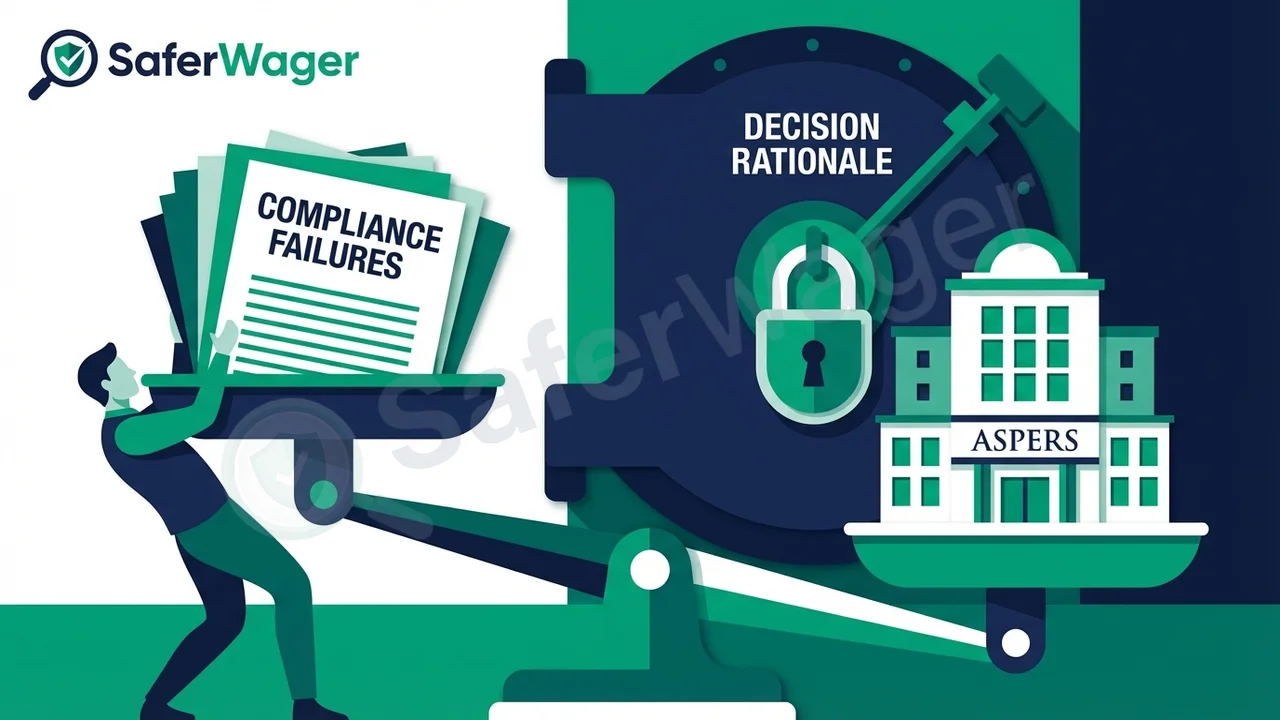
A Freedom of Information request has revealed that Aspers (Stratford City) Ltd was the only gambling operator to have a regulatory fine reduced by the UKGC during the COVID-19 pandemic. The penalty was cut from £1.8 million to £652,500, but the regulator has refused to release documents explaining its decision.
Article Content
Key Finding: Aspers Was a Unique Case
Aspers (Stratford City) Ltd was the only gambling operator to have a financial penalty reduced by the Gambling Commission (UKGC) during the first two years of the COVID-19 pandemic, a Freedom of Information (FOI) disclosure has revealed.
The information, initially withheld by the regulator, came to light following an internal review of an FOI request dated 16 January 2022. The data confirms that a proposed £1.8 million fine for social responsibility and anti-money laundering failures was cut to £652,500.
Context: Scrutiny on Regulatory Decisions
Regulatory fines are a key tool used by the UKGC to enforce its Licence Conditions and Codes of Practice (LCCP), which are designed to protect consumers and keep crime out of gambling. The size of a fine often reflects the severity of the failings. For consumers, the consistency and transparency of these enforcement actions are crucial for building trust in the regulatory system. This disclosure raises questions about the circumstances under which penalties can be negotiated down.
Details of the Disclosure
The FOI request sought two key pieces of information:
- All internal communications regarding the decision to reduce the Aspers fine.
- A list of all companies that had fines reduced since the start of the pandemic.
Initially, the UKGC refused both parts of the request. It cited commercial sensitivity (Section 43 of the FOIA), refusing to even confirm or deny if other operators had received reductions. The regulator argued that disclosing such information could cause "unwarranted reputational damage" and prejudice operators' commercial interests.
However, after the requester initiated an internal review, the Commission reversed its position on the second point.
In its review response, the UKGC stated: "I can confirm that only Aspers had their fine reduced, the details of which including the amount of the reduction are already in the public domain."
The £1,147,500 reduction was granted after Aspers made representations about its financial circumstances, particularly the impact of the COVID-19 pandemic and related public health measures on its business.
Despite confirming Aspers was a unique case, the UKGC maintained its refusal to release internal papers about the decision-making process. It argued that disclosure would prejudice Aspers' commercial interests and could allow other operators to "replicate" arguments to reduce future fines, potentially undermining the deterrent effect of its enforcement actions.
Significance for Consumers and the Industry
This disclosure confirms that while the option to reduce a fine based on financial hardship exists, it was an exception rather than a rule during the pandemic. The fact that Aspers was the sole beneficiary of such a reduction highlights the specific and significant impact the operator demonstrated the pandemic had on its land-based casino business.
However, the regulator's firm refusal to provide transparency on its decision-making process leaves important questions unanswered. For consumers and campaigners, the lack of access to the rationale behind the £1.15 million reduction obscures how the UKGC balances operator viability against the need for robust penalties for compliance failures. The initial attempt to withhold the fact that Aspers was a unique case further complicates the picture of regulatory transparency.